How Lyria 3.5 Kills Suno AI and Supercharges Ads
We assume generative audio is just a fun consumer novelty for making parody songs. Google just deployed Lyria 3.5 into Flow Music to completely suffocate independent audio startups and build the ultimate conversion engine for digital advertisers.

Google just proved that standalone generative music startups cannot survive against a tech monopoly that controls the underlying distribution network and the advertising ecosystem.
Inspiration: Analyzing the July 2026 release of the Lyria 3.5 model inside Google Flow Music. Realizing this advanced audio capability completely destroys the moat of independent competitors like Suno AI while simultaneously creating a highly lucrative tool for enterprise marketers.
The Startup Squeeze
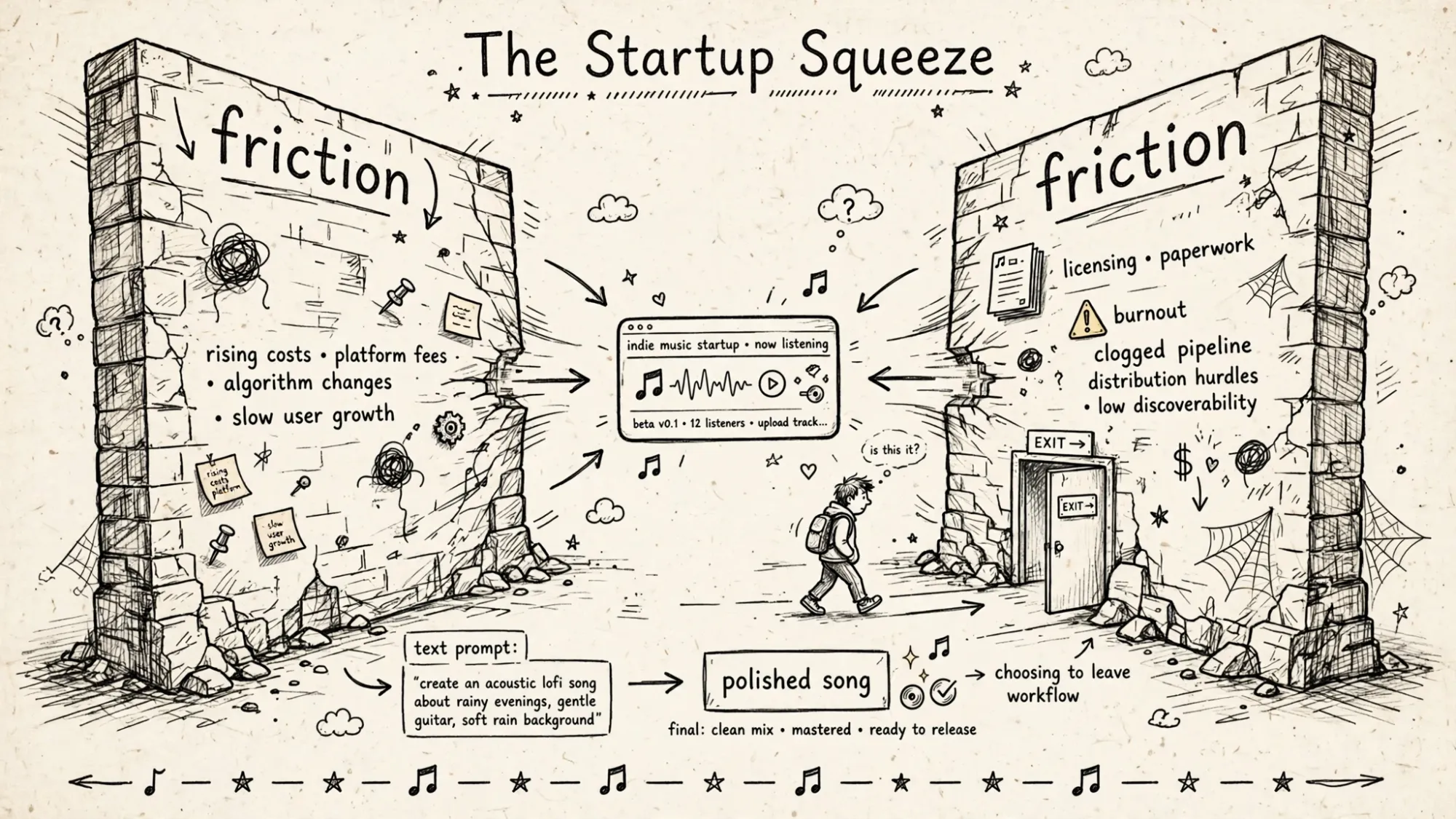
For the last year independent startups like Suno AI completely dominated the generative music space.
They captured the imagination of the internet by allowing anyone to type a basic text prompt and generate a highly polished, fully produced song.
They built incredible initial traction but they operate with a fatal structural vulnerability.
They are standalone destination websites that rely entirely on users actively choosing to leave their normal digital workflow to visit a specific audio platform.
This creates a severe point of friction that a legacy monopoly can easily exploit.
The Ecosystem Deployment
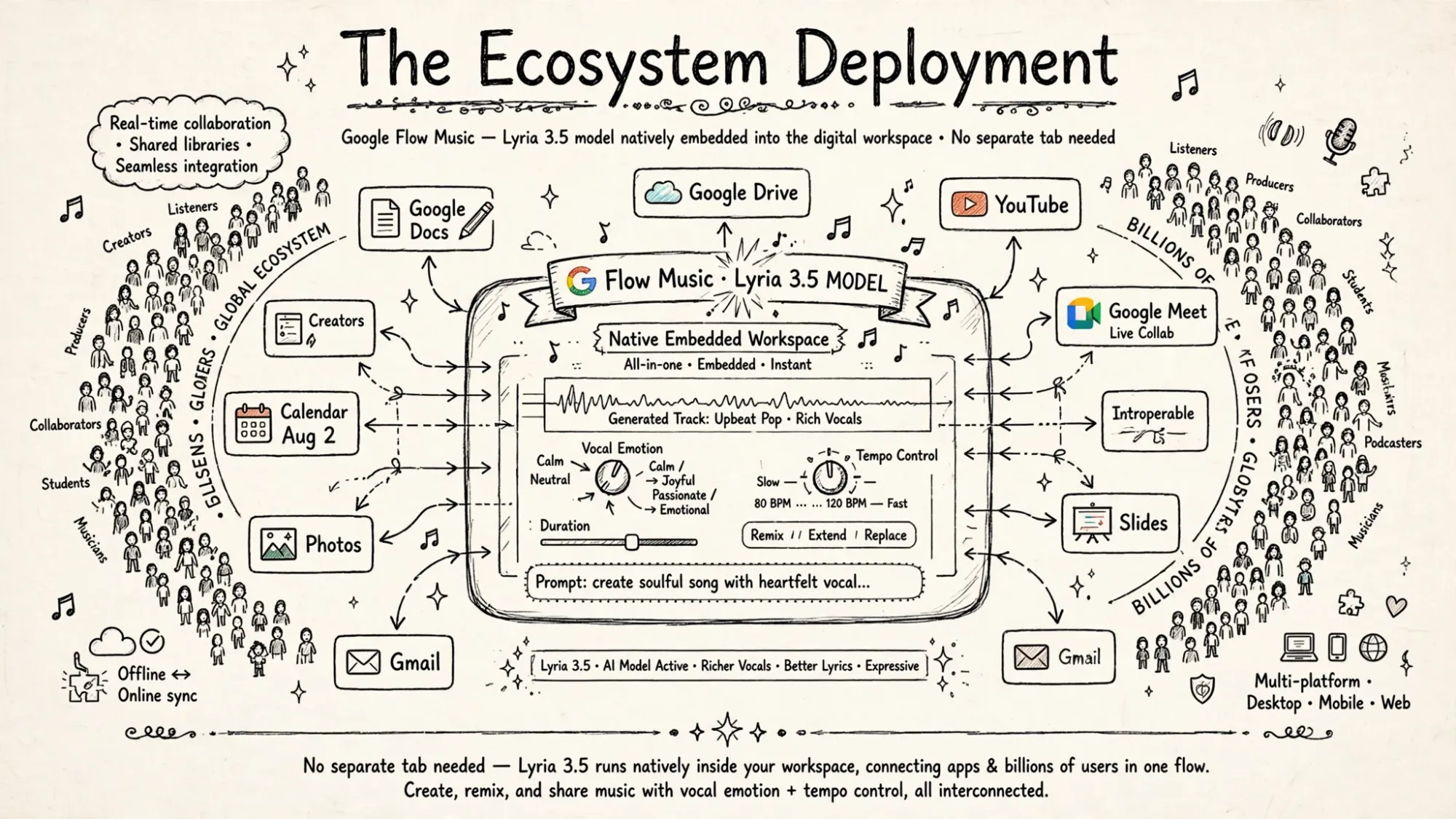
Google just shattered this friction entirely with the rollout of the Lyria 3.5 model inside Flow Music.
The technical capabilities of this new model are staggering, featuring vastly improved vocal emotion, complex melodic structures, and precise tempo control.
The true threat to a startup like Suno is not just the underlying audio quality.
It is the fact that Google is natively embedding this generative capability directly into the digital ecosystem where billions of people already spend their time.
You do not need to open a separate tab to generate a song when the creative engine is already baked into your primary workspace.
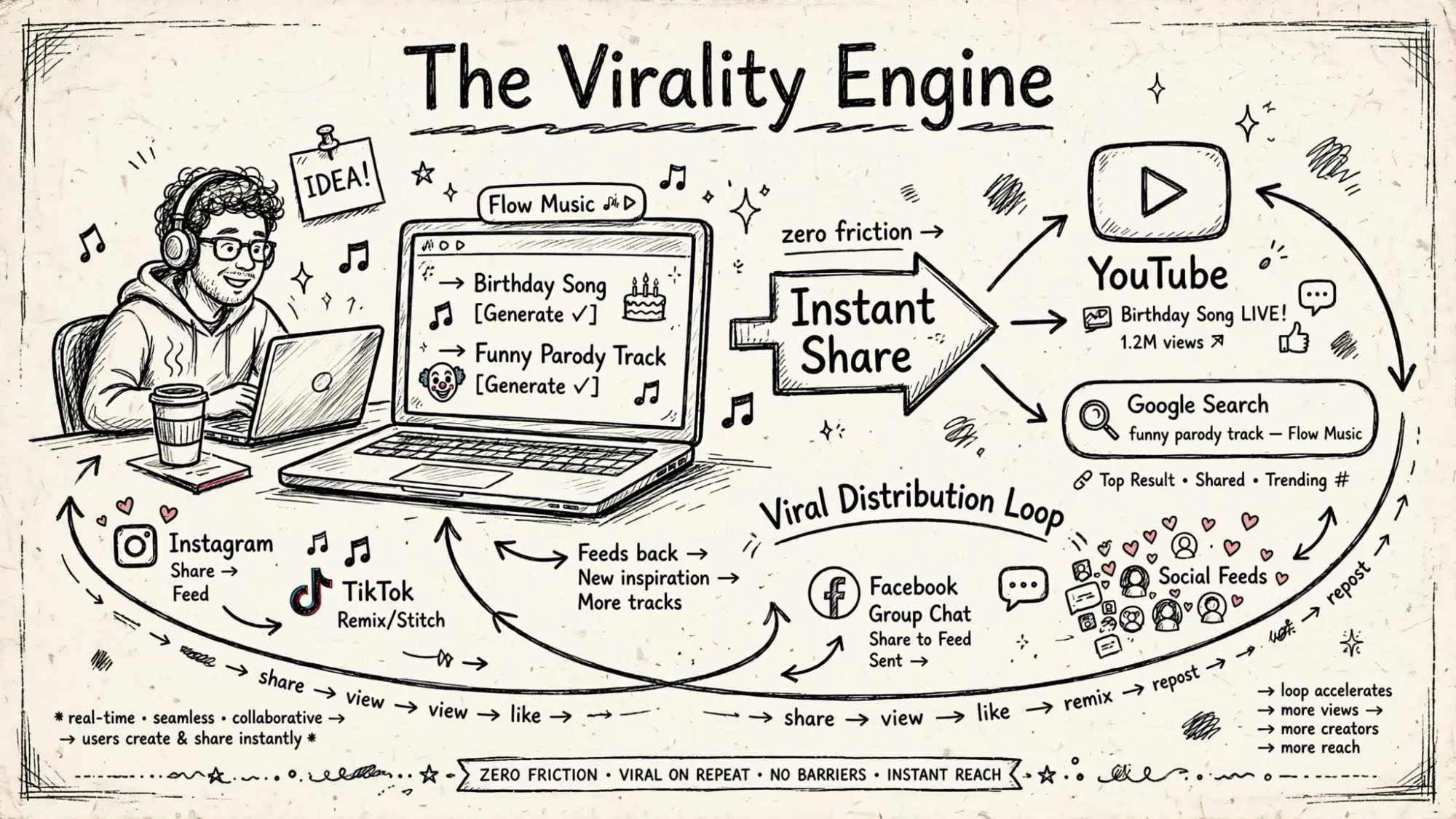
The Virality Engine
This seamless integration creates an unmatched viral distribution loop.
When a consumer uses Flow Music to generate a highly emotional birthday song or a funny parody track they can instantly share it across the broader Alphabet ecosystem.
Because the underlying tool is natively connected to YouTube and Google Search the friction of sharing is practically zero.
This guarantees that Lyria generated audio will organically flood global social feeds, constantly reinforcing Google as the default engine for digital creativity and starving competitors of vital mindshare.
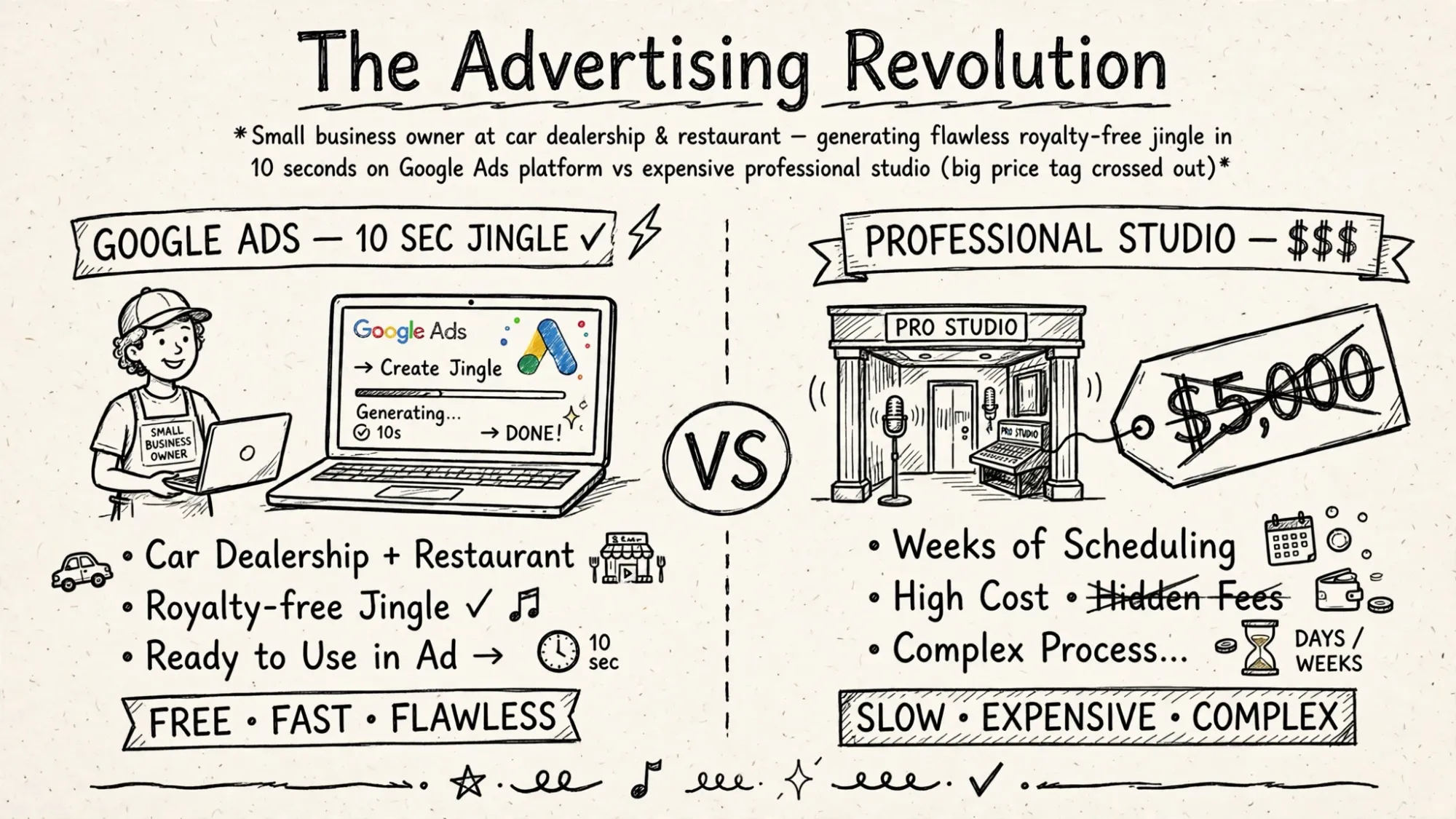
The Advertising Revolution
While consumers play with the tool to create parody songs, the actual economic windfall of Lyria 3.5 sits directly inside the Google Ads platform.
Producing high quality commercial audio is historically one of the most expensive bottlenecks for small business marketing.
A local car dealership or a regional restaurant cannot afford to hire a professional studio to compose an original advertising jingle.
Lyria completely removes this financial barrier by allowing that same business owner to prompt a flawless, royalty free commercial soundtrack in ten seconds.
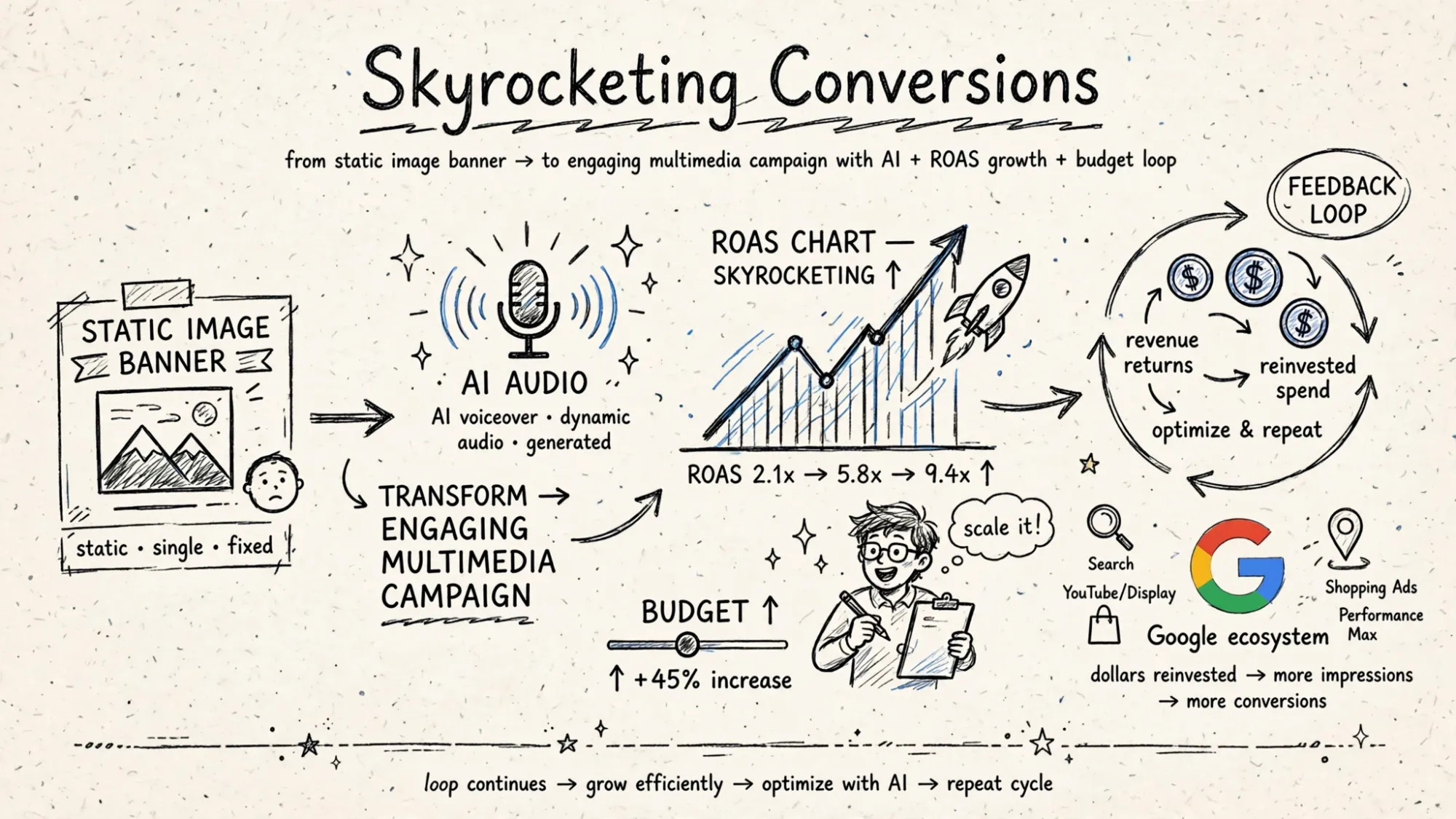
Skyrocketing Conversions
When a platform lowers the barrier to entry for high quality creative production the overall return on ad spend naturally skyrockets.
Businesses that could previously only afford to run static image banners can now deploy highly engaging multimedia campaigns.
This immediate bump in advertising performance creates a brilliant feedback loop.
When marketers see their conversion rates increase because of algorithmically generated audio they naturally increase their overall ad budget, pouring more capital directly back into the Google ecosystem.
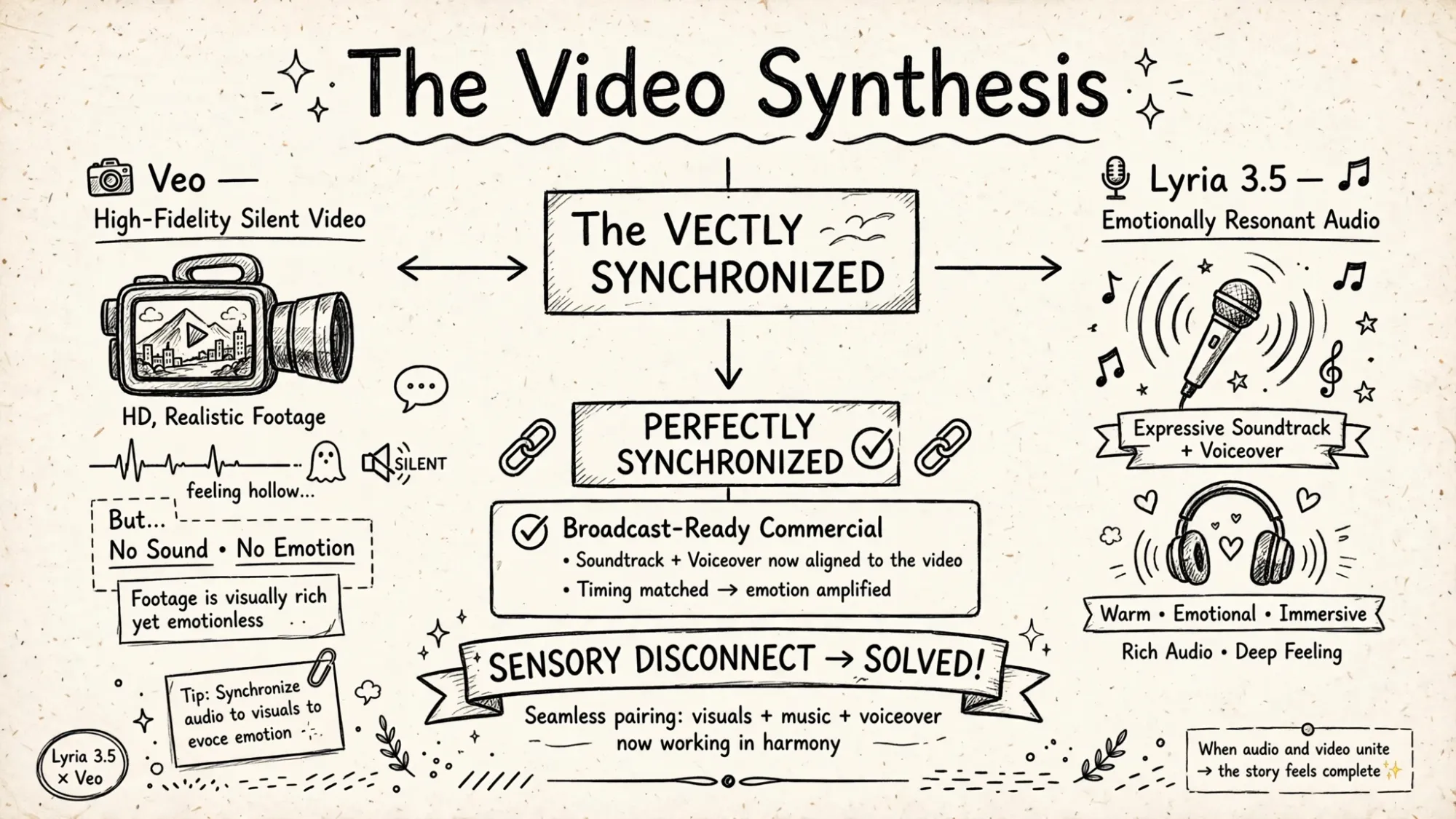
The Video Synthesis
This audio breakthrough also acts as a critical multiplier for the broader generative video market.
The fatal flaw of most current artificial intelligence video generation is that silent footage feels incredibly hollow and unnatural to the human brain.
By seamlessly pairing the high fidelity video output of models like Veo with the emotionally resonant audio generated by Lyria 3.5 Google completely solves this sensory disconnect.
They are giving creators the ability to prompt entirely synthetic, broadcast ready commercials with perfectly synchronized soundtracks and voiceovers.
Monetizing the Production Layer
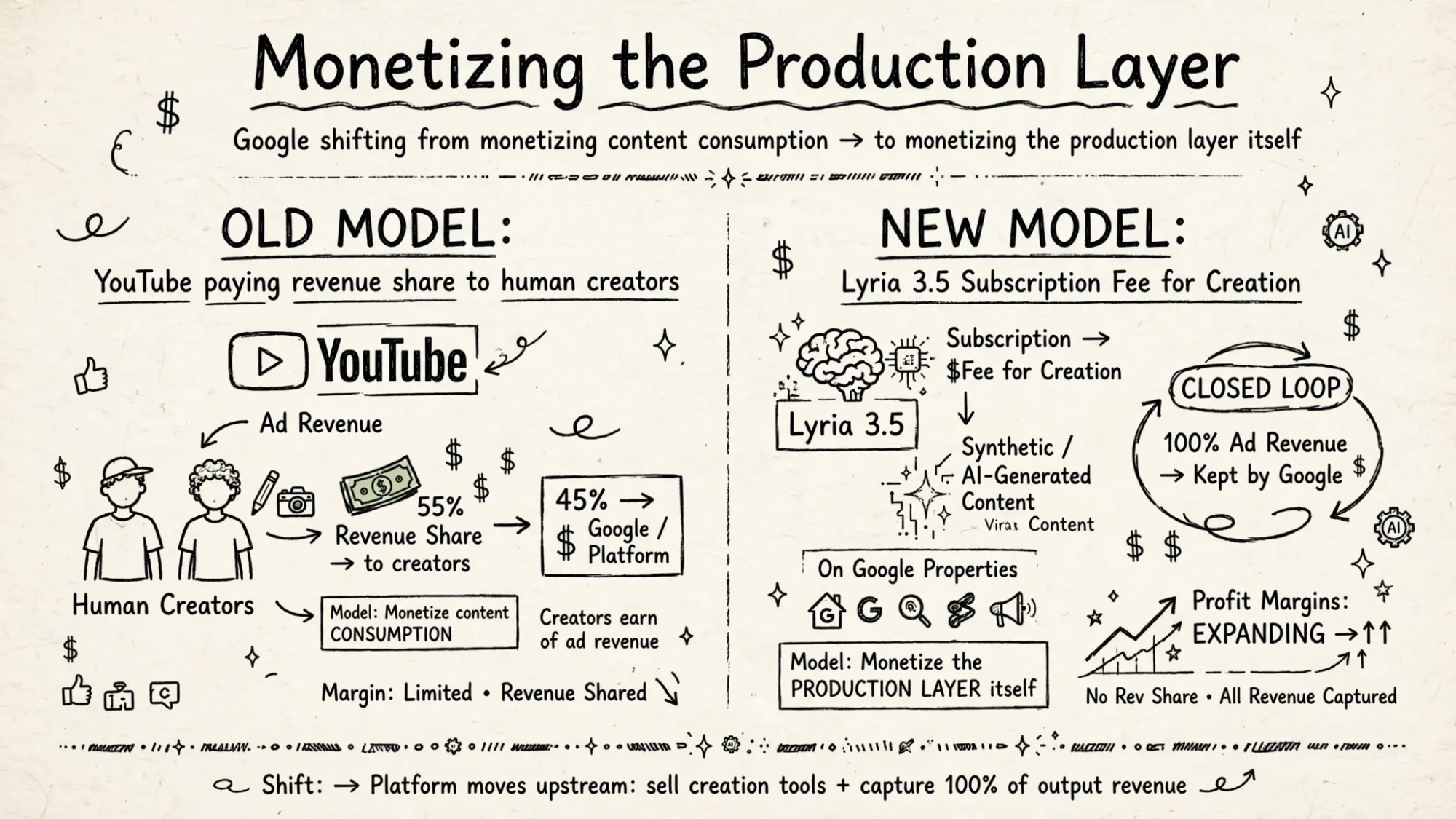
Google is executing a fundamental shift in how they generate corporate profit.
They are moving away from simply monetizing the consumption of content and are actively monetizing the production layer itself.
Historically YouTube had to pay out a large percentage of its advertising revenue to human creators just to keep the platform populated with fresh videos.
This revenue share agreement is a heavy structural drag on their overall profit margins.
By offering premium generative tools like Lyria 3.5 directly to users, Google can start charging a subscription fee for the actual creation process.
They are transforming the cost of production into a highly lucrative recurring revenue stream.
More importantly, when entirely synthetic content produced by Google tools goes viral on Google properties, the financial dynamics completely change.
The platform no longer has to split the advertising revenue with a traditional human creator because the organic human element is becoming less relevant.
This creates a brilliant closed loop where Google collects the production subscription fee upfront and then keeps one hundred percent of the advertising revenue generated by that synthetic content.
It is the ultimate strategy to rapidly expand corporate profit margins while lowering their historical reliance on organic human labor.
Conclusion: The Vertical Squeeze
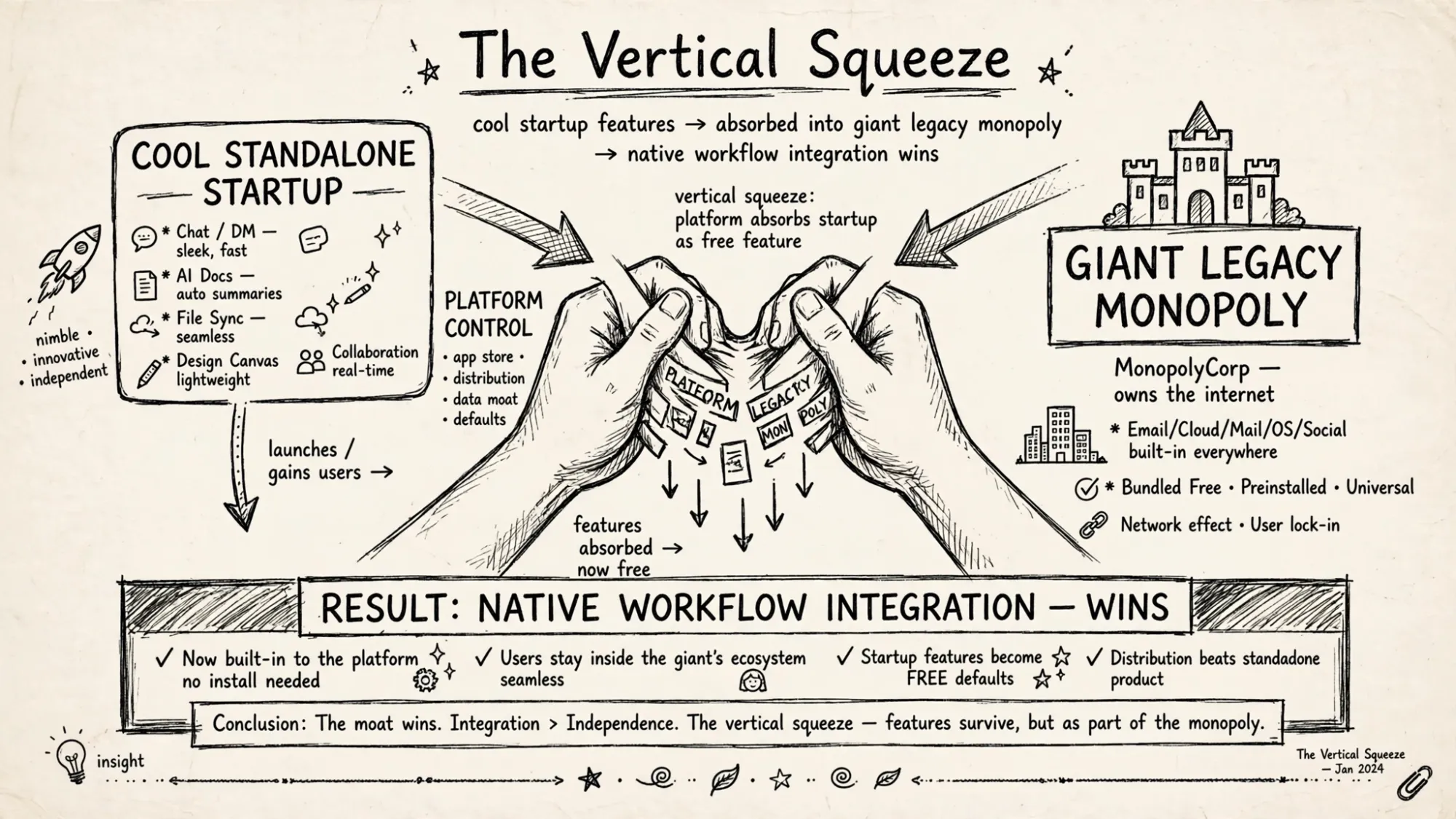
Startups can build incredibly cool standalone features but they cannot compete with native workflow integration.
The release of Lyria 3.5 proves that the most valuable artificial intelligence tools will ultimately be absorbed as free features within the legacy monopolies that already own the internet.