Why AI Hardware Will Pop the Tech Bubble
Investors believe dedicated artificial intelligence gadgets are the next great consumer frontier. The inevitable retail failure of these redundant devices will actually be the specific catalyst that pops the broader technology bubble.
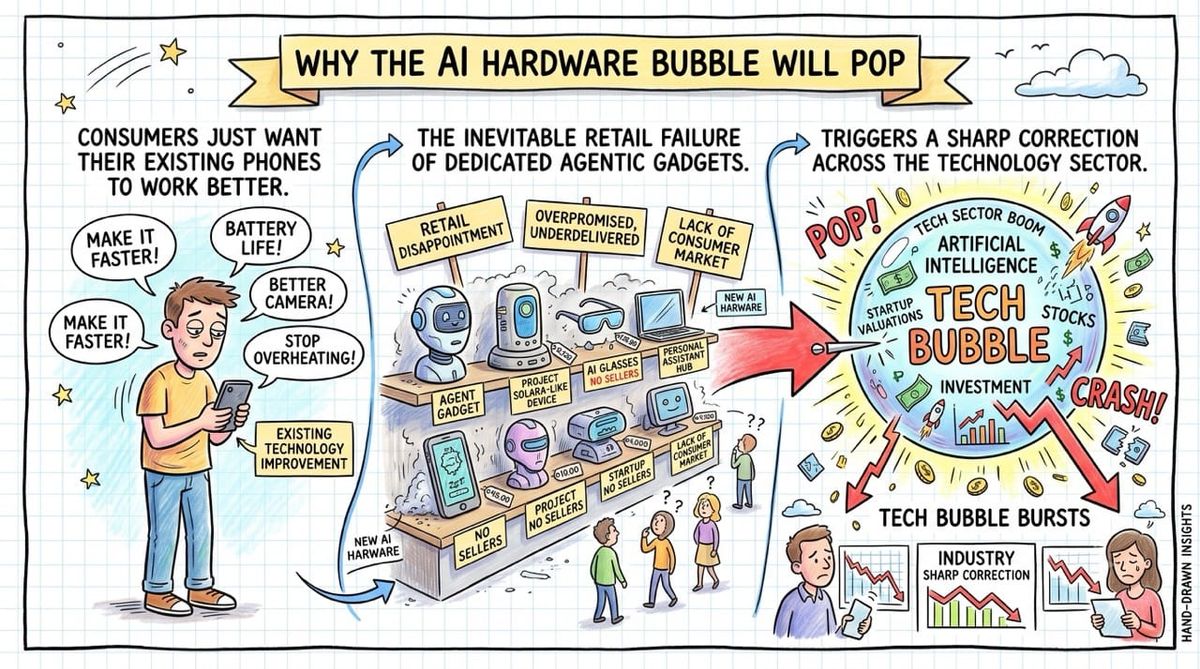
Consumers just want their existing phones to work better. The inevitable retail failure of dedicated agentic gadgets will trigger a sharp correction across the entire technology sector.
Inspiration: Analyzing the rise of dedicated artificial intelligence devices like Microsoft Project Solara and realizing their lack of a real consumer market will ultimately burst the broader industry bubble.
The Hardware Distraction
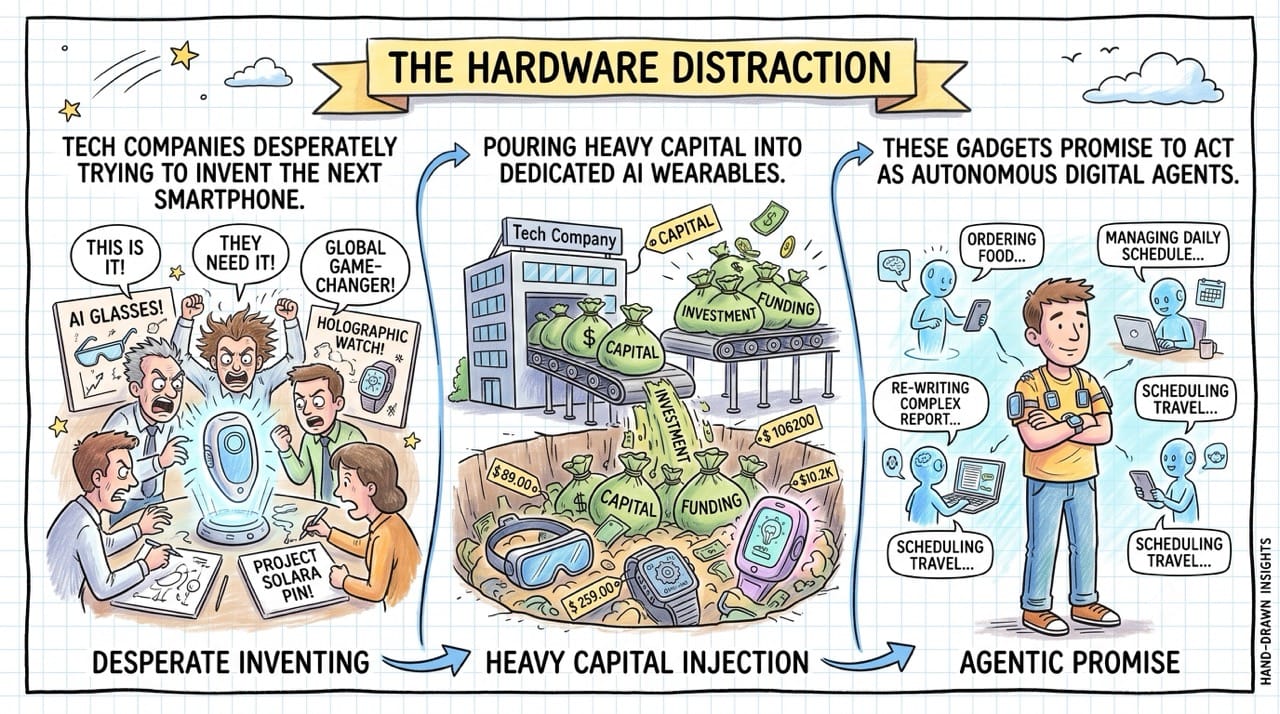
Tech companies are desperately trying to invent the next smartphone.
They are pouring heavy capital into dedicated artificial intelligence wearables like Microsoft Project Solara.
These gadgets promise to act as autonomous digital agents.
They are designed to manage your daily schedule and execute complex tasks without you ever touching a screen.
The Redundant Gadget
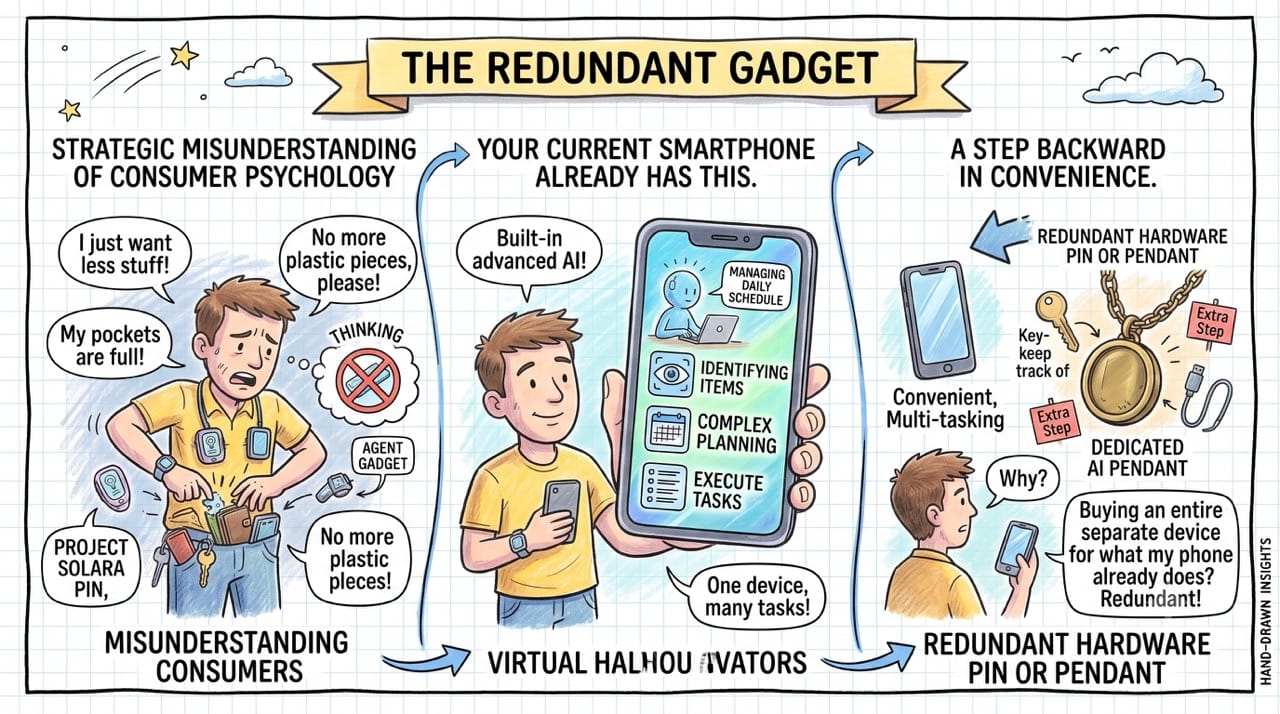
The core problem with this strategy is a complete misunderstanding of consumer psychology.
People genuinely do not want to carry a second piece of plastic in their pocket.
Your current smartphone already possesses these exact same advanced capabilities.
Buying a dedicated hardware pin or pendant feels like an unnecessary step backwards in convenience.
The Missing Market
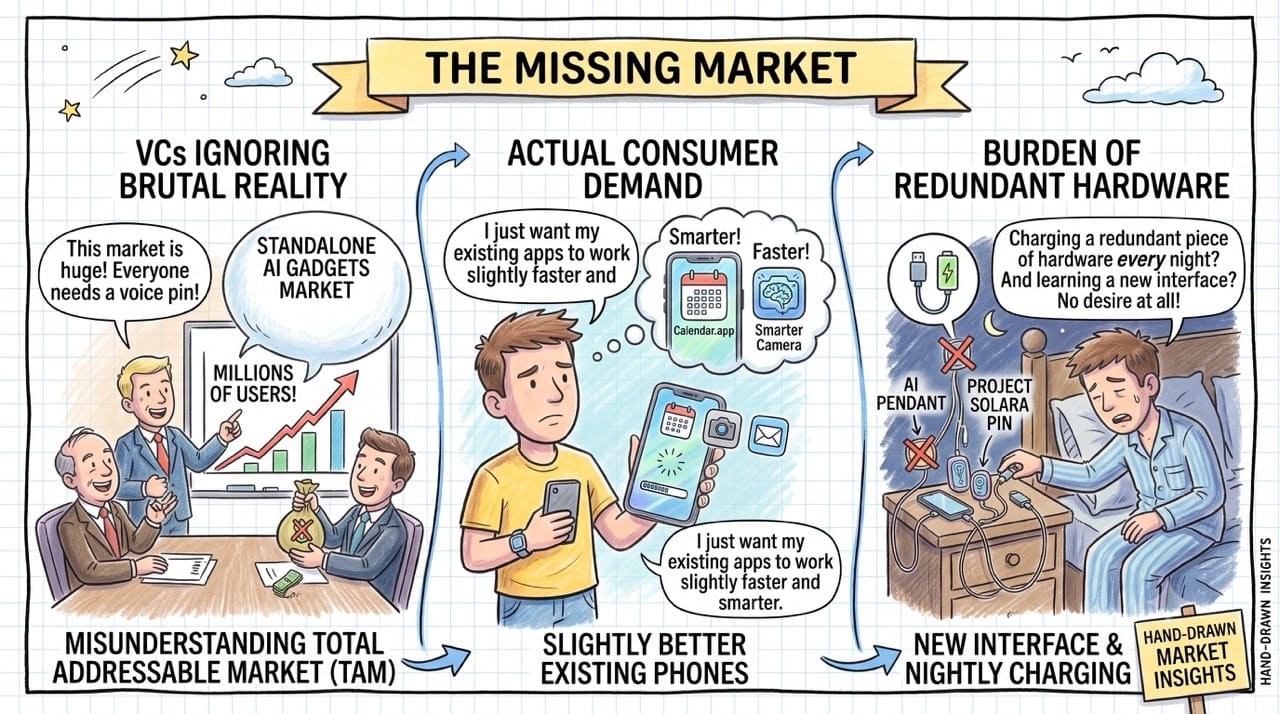
Venture capitalists are currently ignoring the brutal reality of the total addressable market.
The actual consumer base for a standalone voice gadget is practically zero.
Most people just want their existing phone applications to work slightly faster and smarter.
They have zero desire to learn an entirely new interface or charge a redundant piece of hardware every single night.
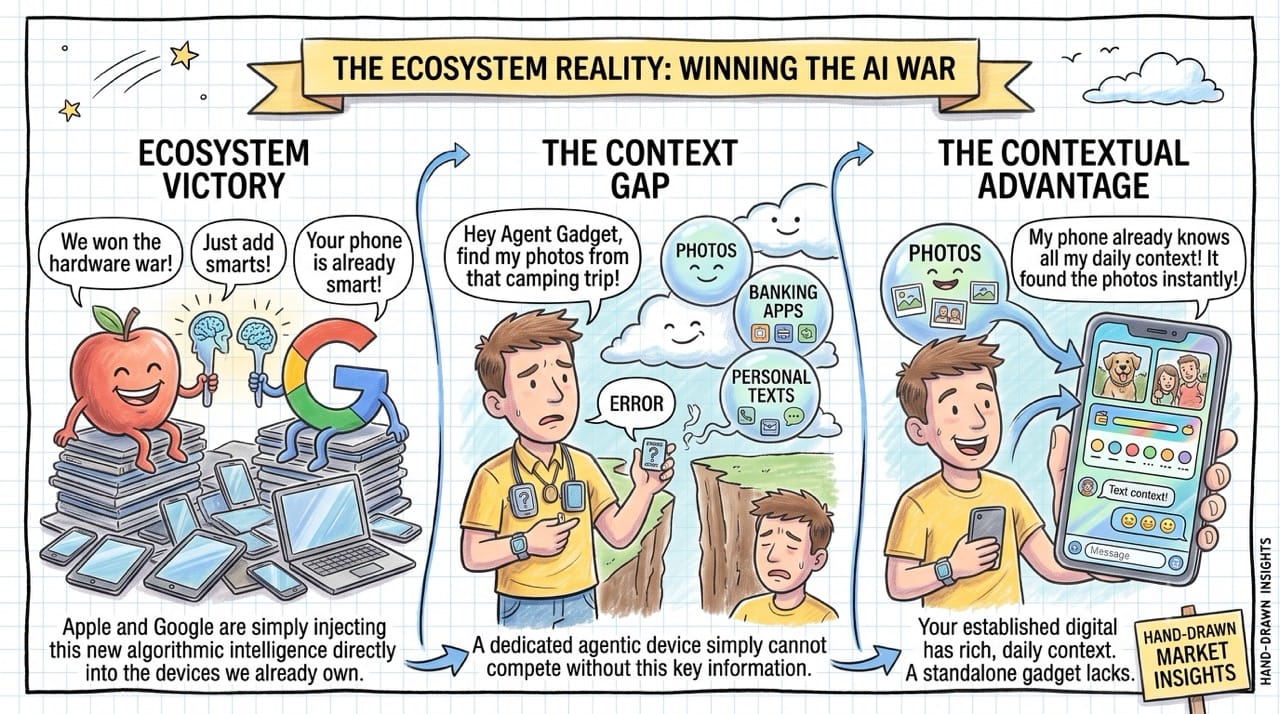
The Ecosystem Reality
Apple and Google essentially won the mobile hardware war a decade ago.
They are simply injecting this new algorithmic intelligence directly into the devices we already own.
A dedicated agentic device simply cannot compete with an established digital ecosystem.
A standalone gadget lacks the rich daily context of your existing photos, banking apps, and personal text messages.
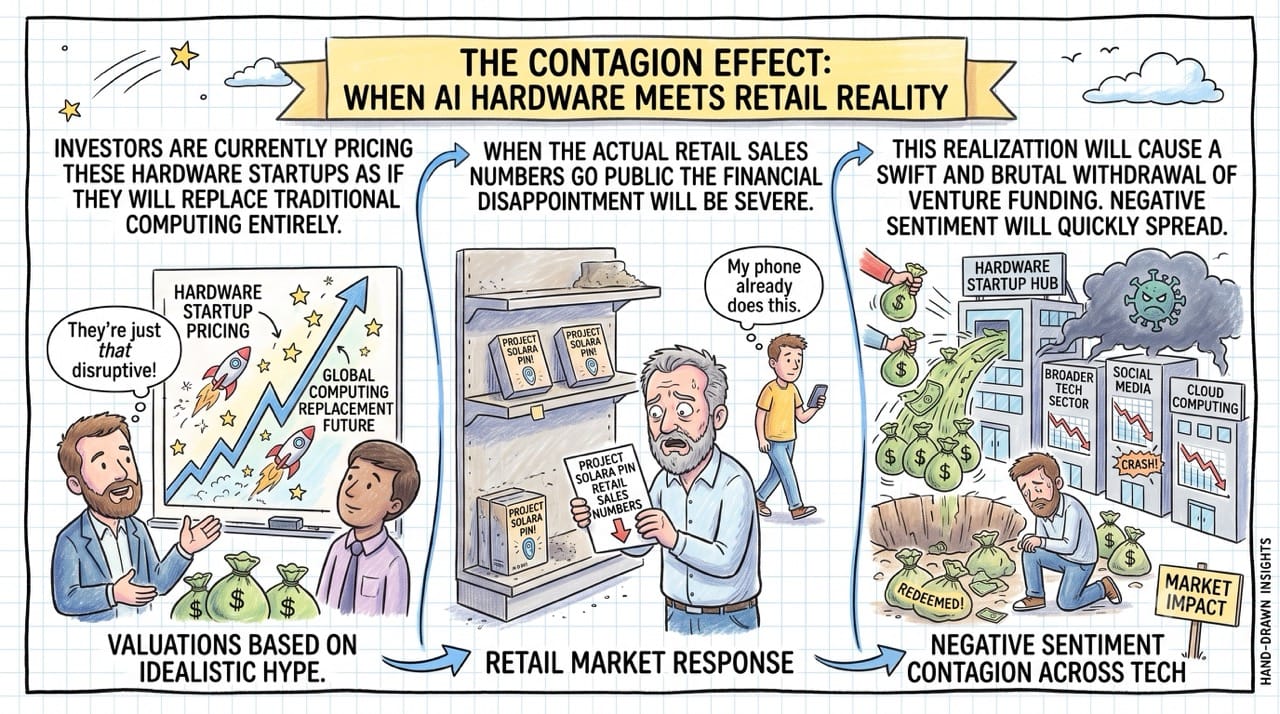
The Contagion Effect
Investors are currently pricing these hardware startups as if they will replace traditional computing entirely.
When the actual retail sales numbers go public the financial disappointment will be severe.
This specific realization will cause a swift and brutal withdrawal of venture funding.
When these highly publicized hardware projects fail the negative sentiment will quickly spread across the broader technology sector.
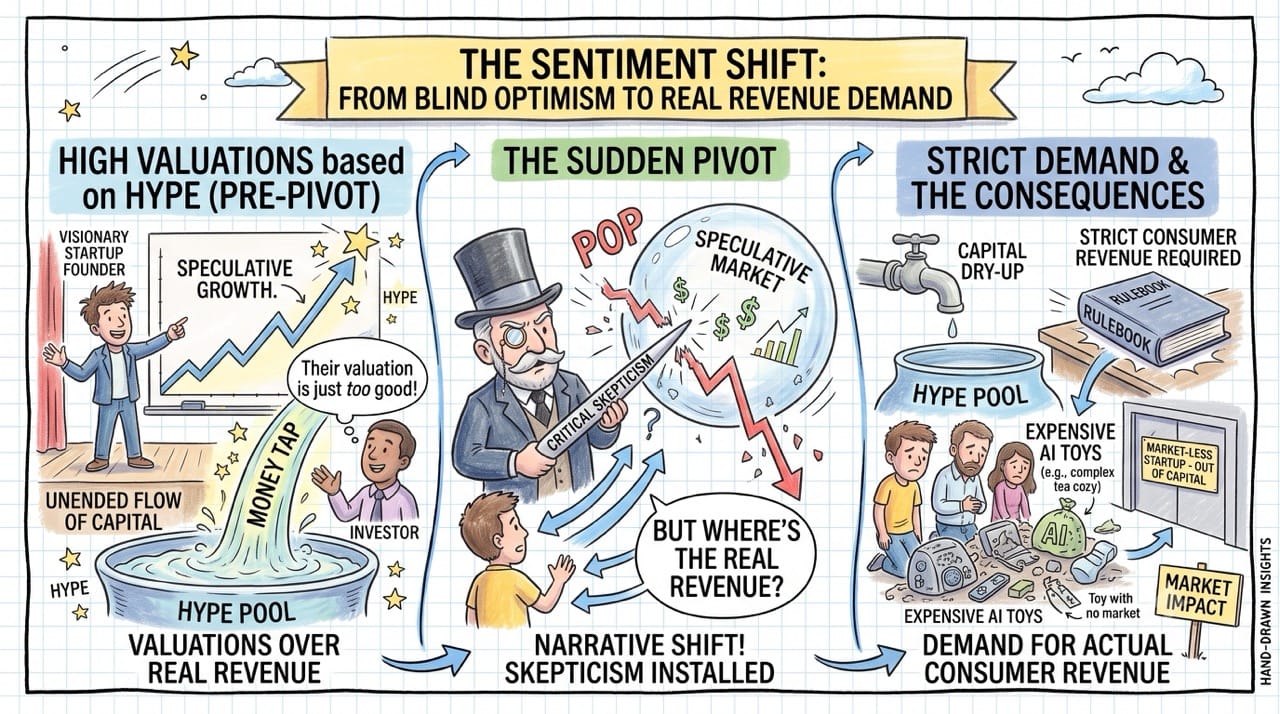
The Sentiment Shift
Wall Street will suddenly begin questioning the incredibly high valuations of the software companies powering these devices.
This sharp pivot from blind optimism to critical skepticism is exactly what pops a speculative market.
The narrative will instantly shift from boundless growth to a strict demand for actual consumer revenue.
Companies building expensive toys without a real market will find themselves completely out of capital.
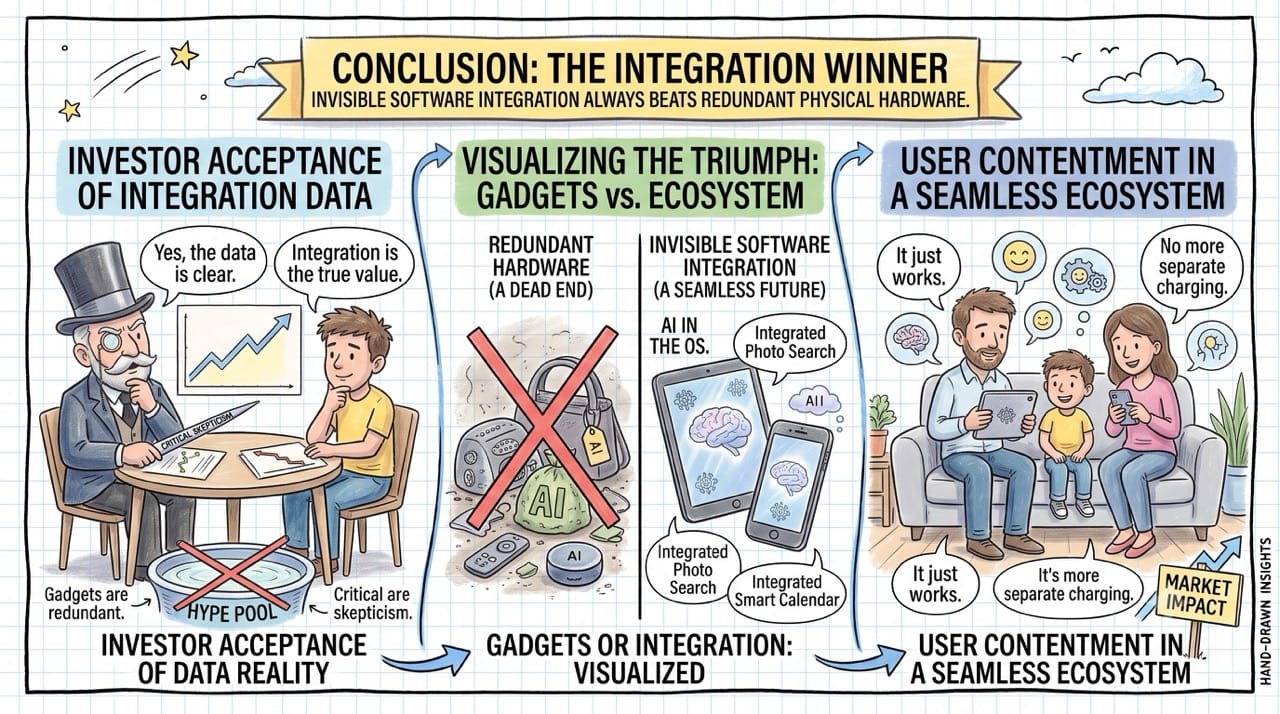
Conclusion: The Integration Winner
We frequently mistake a temporary novelty for a lasting technological shift.
The current bubble will end when investors finally accept that invisible software integration always beats redundant physical hardware.