The Missing Anchor: Why Proton Must Build Privacy Maps
Proton wants to dethrone Google by building a highly secure digital productivity suite. The reality is they will never achieve true ecosystem lock in until they build a privacy first mapping utility.
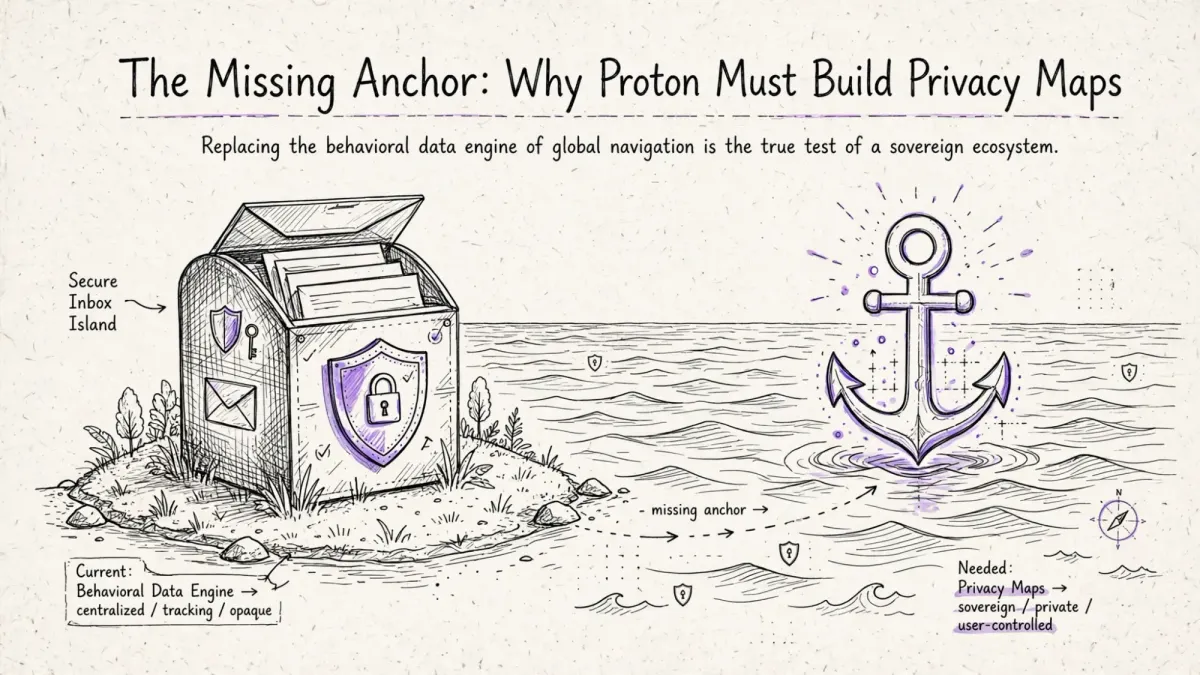
Replacing a secure inbox is a great starting point. Replacing the behavioral data engine of global navigation is the true test of a sovereign ecosystem.
Inspiration: Analyzing the current Proton product roadmap and realizing the fatal gap in their strategy to completely replace legacy technology monopolies.
The Privacy Suite
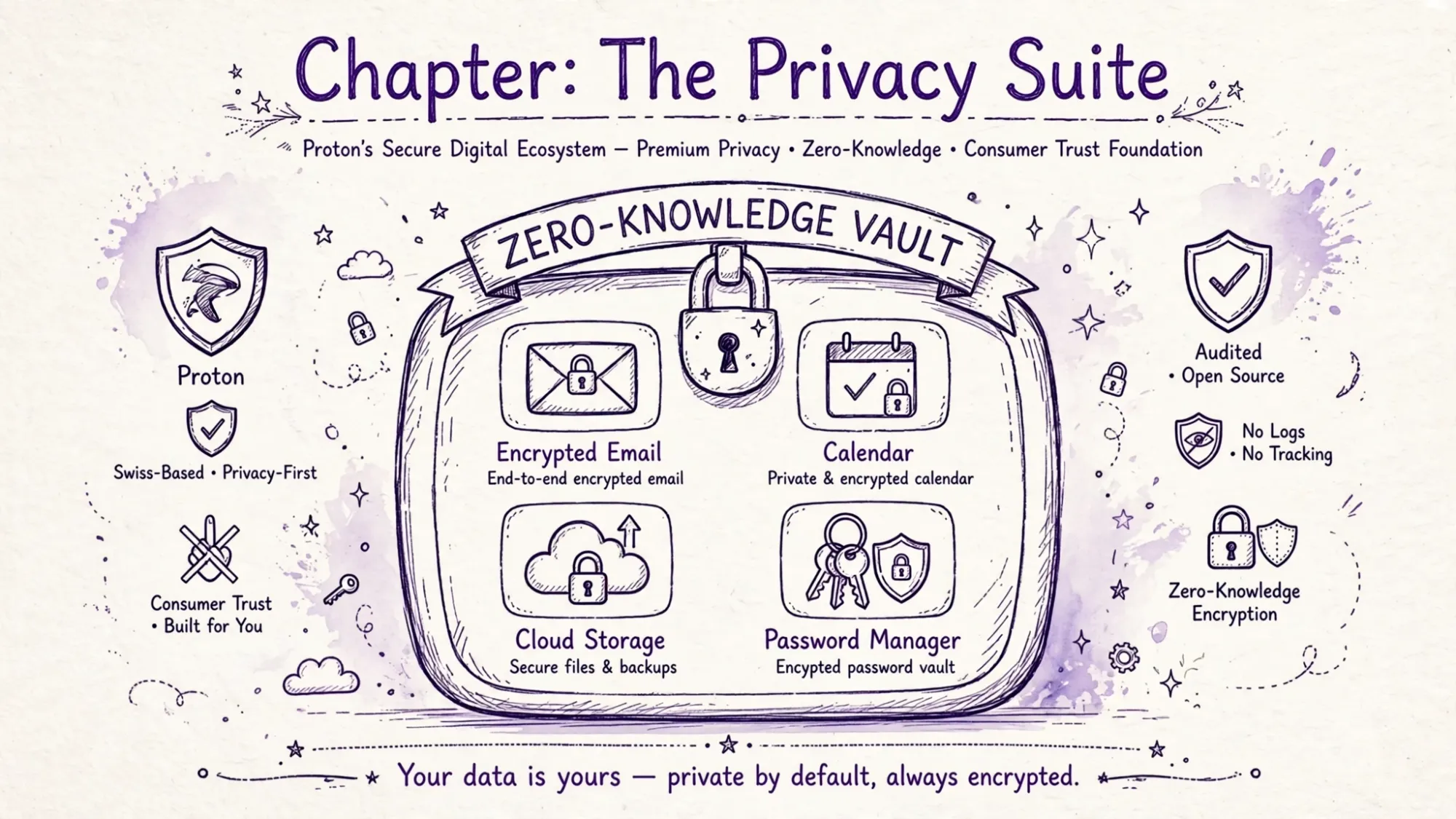
Proton has spent the last decade brilliantly executing a specific corporate mandate to build the ultimate secure digital ecosystem.
They successfully launched encrypted alternatives for email, calendar coordination, cloud storage, and password management.
They convinced millions of privacy conscious consumers to abandon legacy tech monopolies and pay a premium for zero knowledge encryption.
This creates a fantastic foundational business model built entirely on consumer trust.
The Behavioral Anchor
The problem is that an inbox and a calendar only capture a fraction of human behavior.
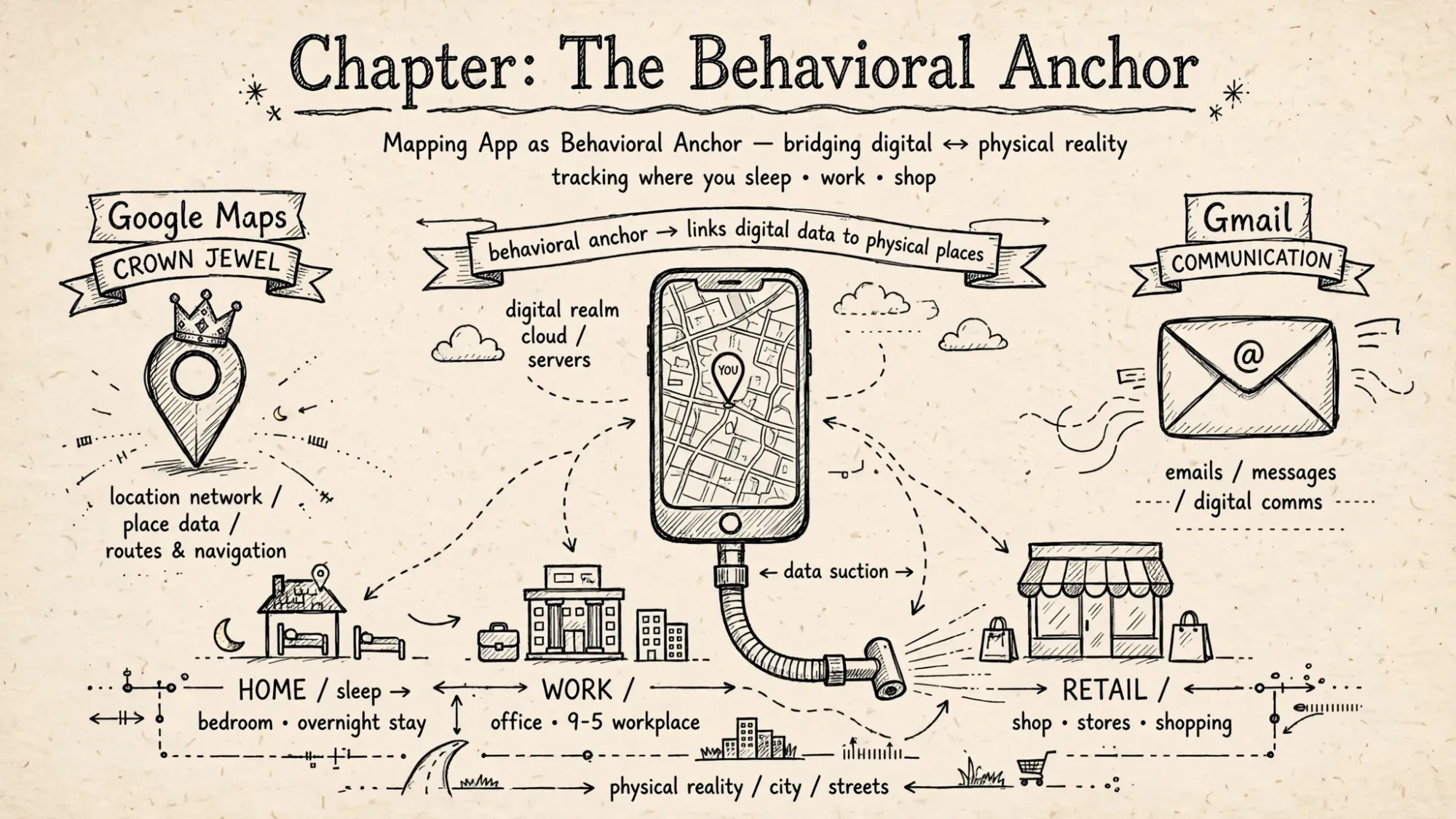
The true crown jewel of the Google ecosystem is not Gmail but Google Maps.
A mapping application is the ultimate behavioral anchor because it bridges the digital world with physical reality.
It tracks exactly where you sleep, where you work, and which retail stores you frequent on the weekends.
It is a continuous data vacuum that maps your entire physical existence.
The Convenience Friction
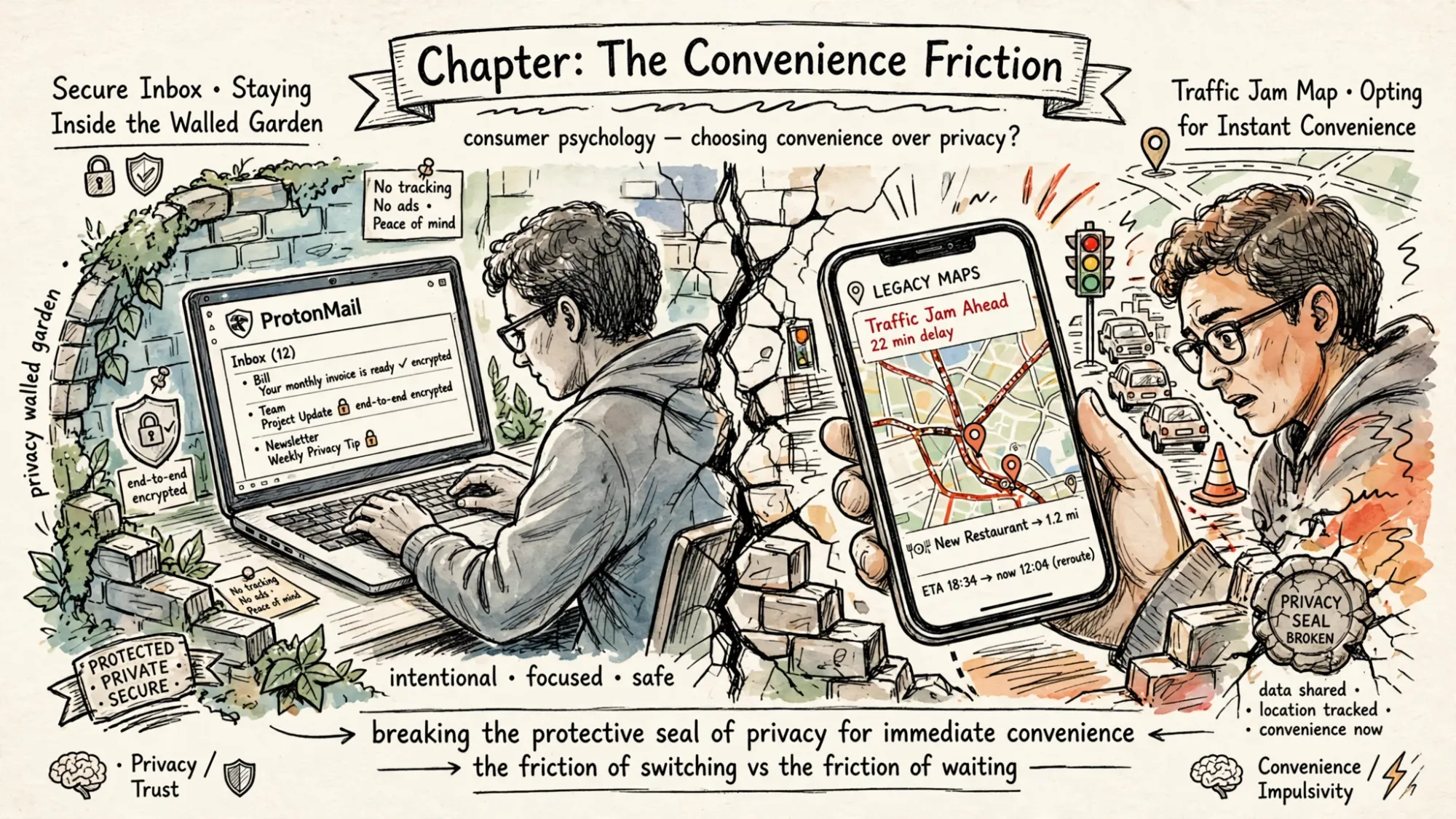
Consumer psychology dictates that people will gladly protect their emails but they will instantly surrender their privacy to avoid sitting in heavy traffic.
A user might diligently use ProtonMail for secure correspondence but the second they need directions to a new restaurant they open a legacy mapping application.
This completely breaks the protective seal of the privacy ecosystem.
If a consumer has to leave your walled garden every single day to navigate their physical city you do not actually own the customer relationship.
The Location Data Brokerage
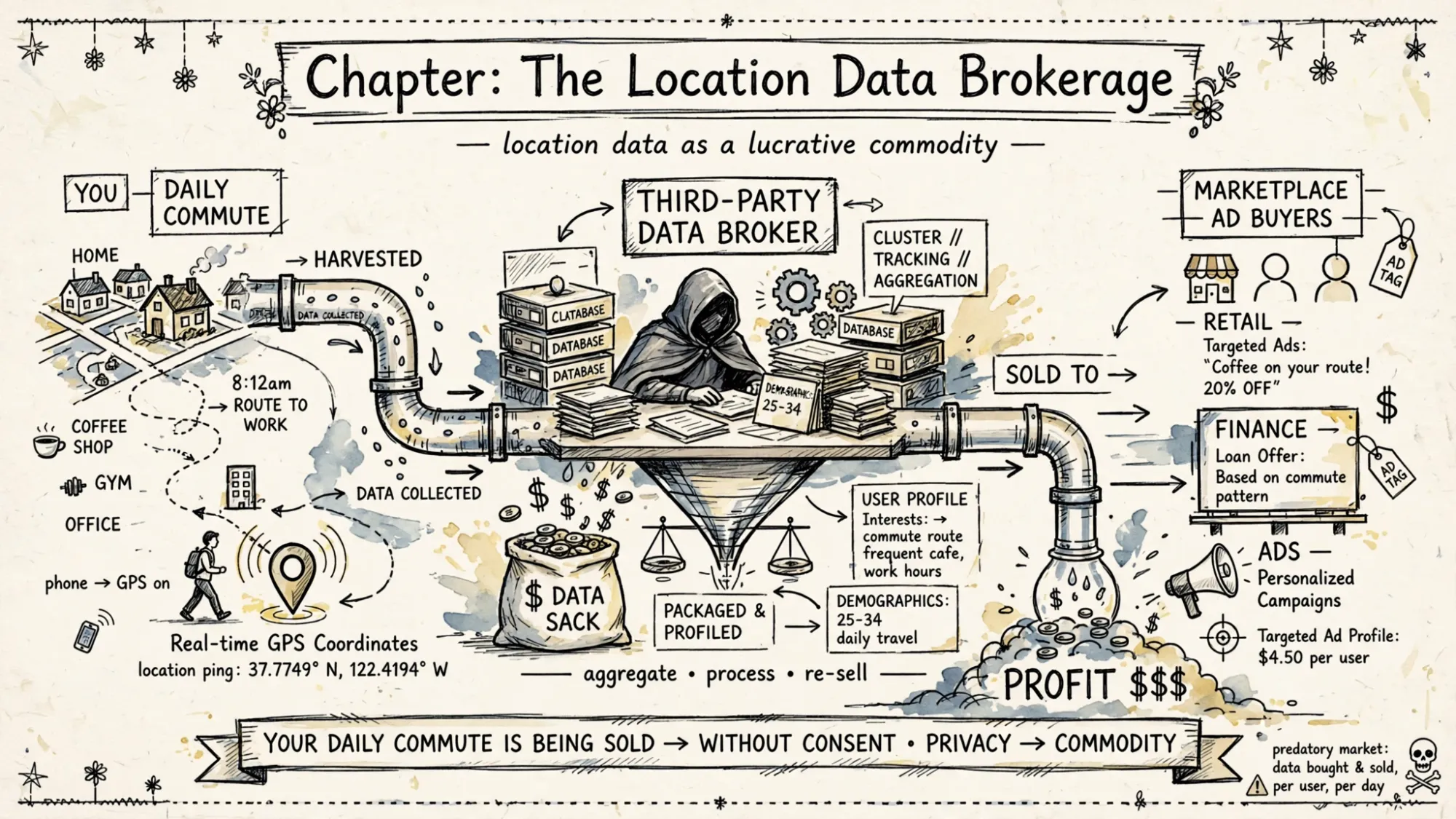
Location data is arguably the most lucrative and highly abused commodity in the modern digital economy.
Third party data brokers routinely harvest real time coordinates to sell highly targeted advertising profiles to corporate marketers.
Proton has a distinct opportunity to completely disrupt this predatory market by offering a navigation tool that routes you efficiently without quietly selling your daily commute to advertisers.
A secure map perfectly aligns with their core brand identity and creates an incredibly sticky daily utility for their paid subscribers.
The Open Source Bridge
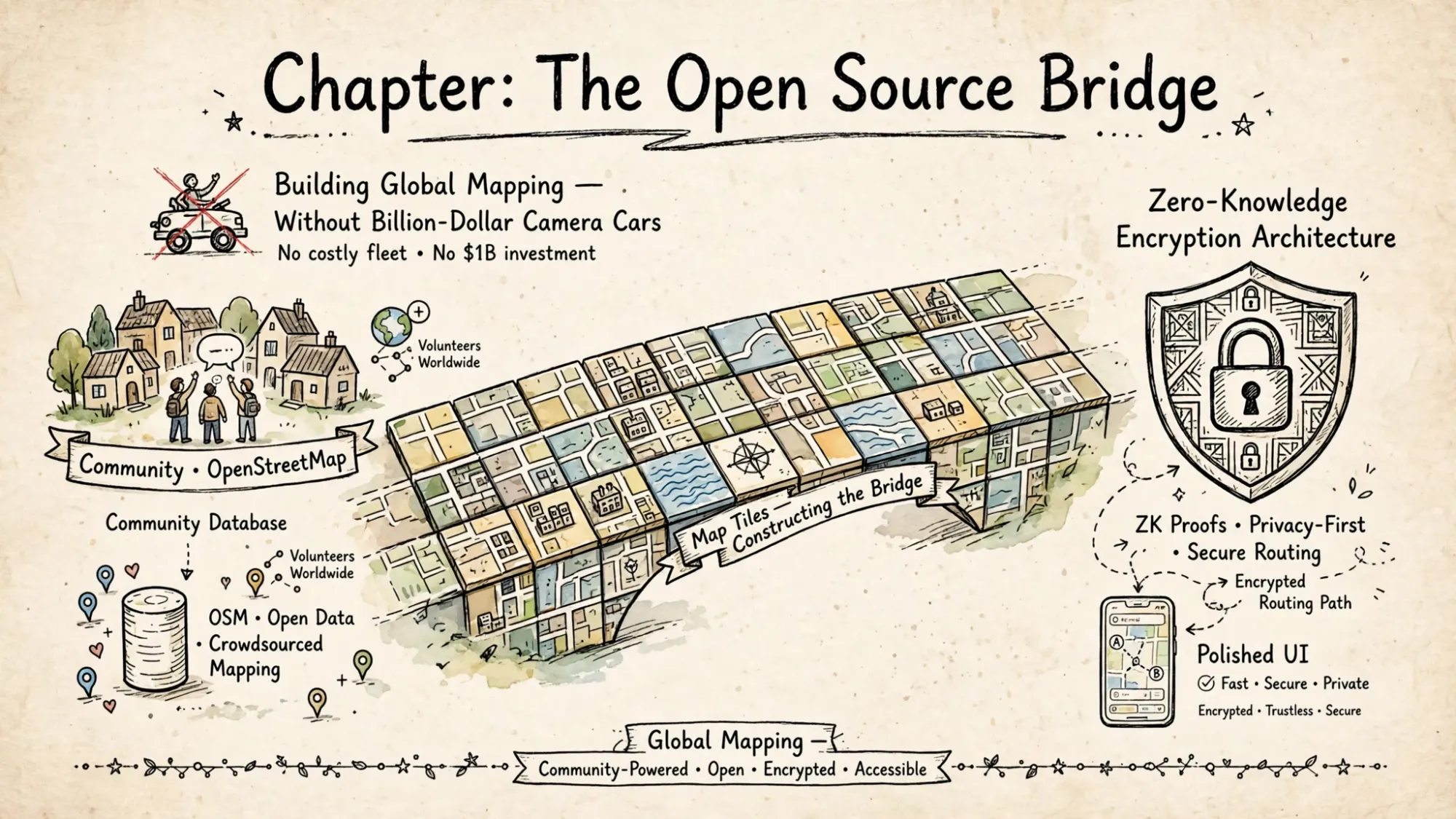
Building a global mapping infrastructure from scratch requires billions of dollars in capital expenditure and fleets of camera cars.
Proton does not actually need to do this.
They can easily leverage existing community driven databases like OpenStreetMap.
The strategic play is simply wrapping that open source geographical data inside their proprietary zero knowledge encryption architecture.
They provide the secure routing and the polished user interface without bearing the heavy infrastructural cost of mapping the globe from scratch.
Conclusion: The Physical Frontier
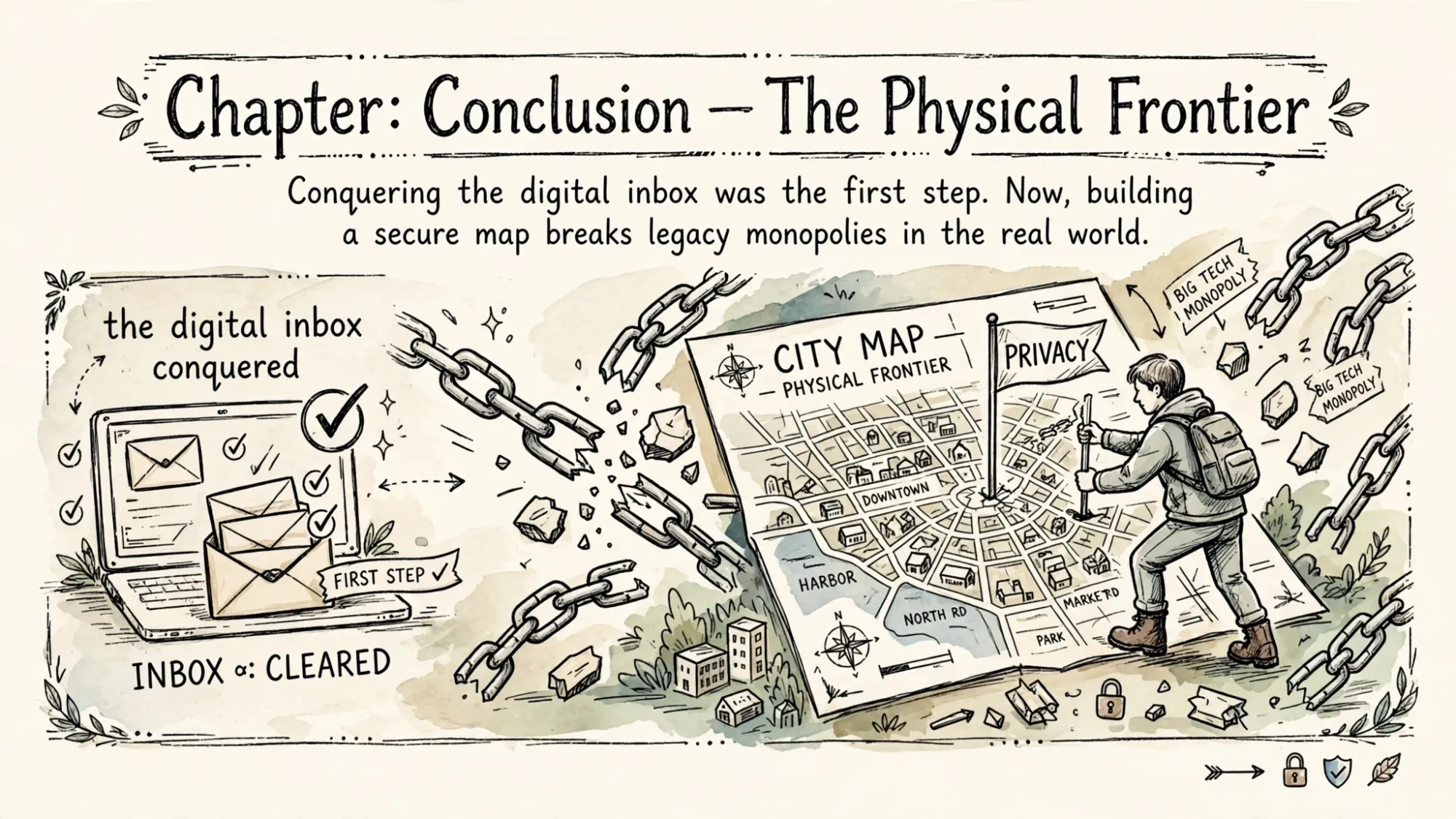
Conquering the digital inbox was a brilliant first step for the consumer privacy movement.
The company that successfully builds the secure map will finally break the legacy monopolies in the real world.