How Thrive Capital Masters the Quiet Bet: The Asymmetric Network
The venture capital industry assumes you need a loud media empire to win the best deals. Thrive Capital proves that taking highly convicted bets on obscure niche infrastructure is the real path to generational wealth.
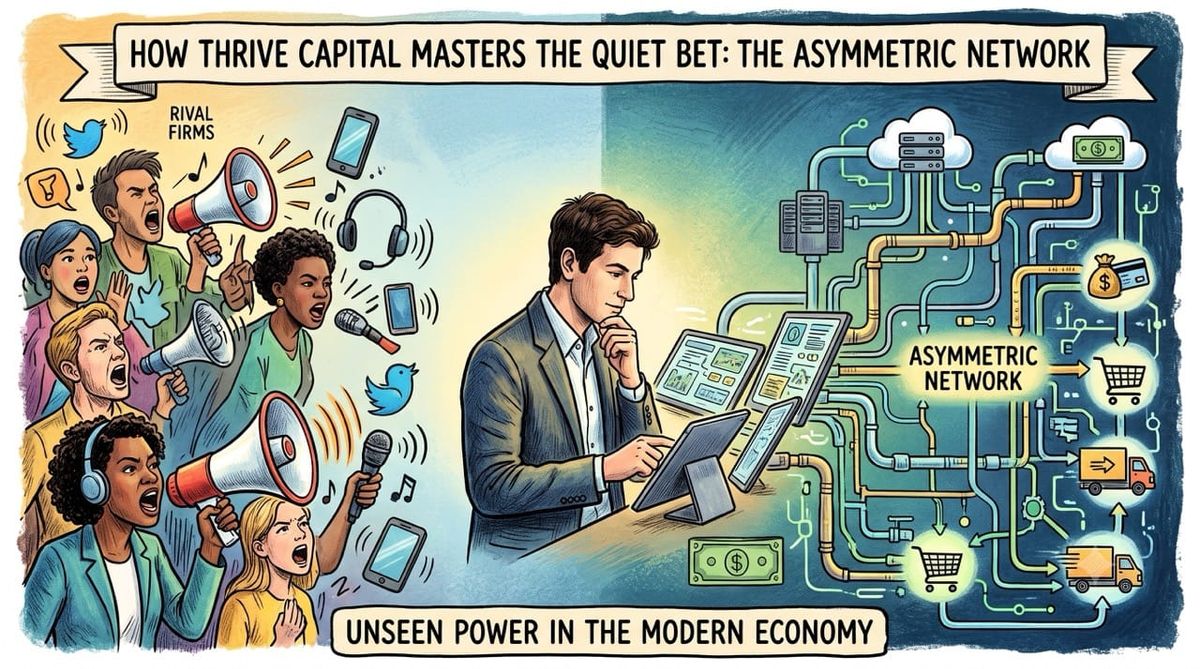
While rival firms launch podcasts and shout on social media Joshua Kushner is quietly buying up the invisible software plumbing that runs the modern economy.
Inspiration: Analyzing the portfolio strategy of Joshua Kushner and Thrive Capital. Realizing that the most lucrative investments often look like boring utility tools rather than flashy consumer trends.
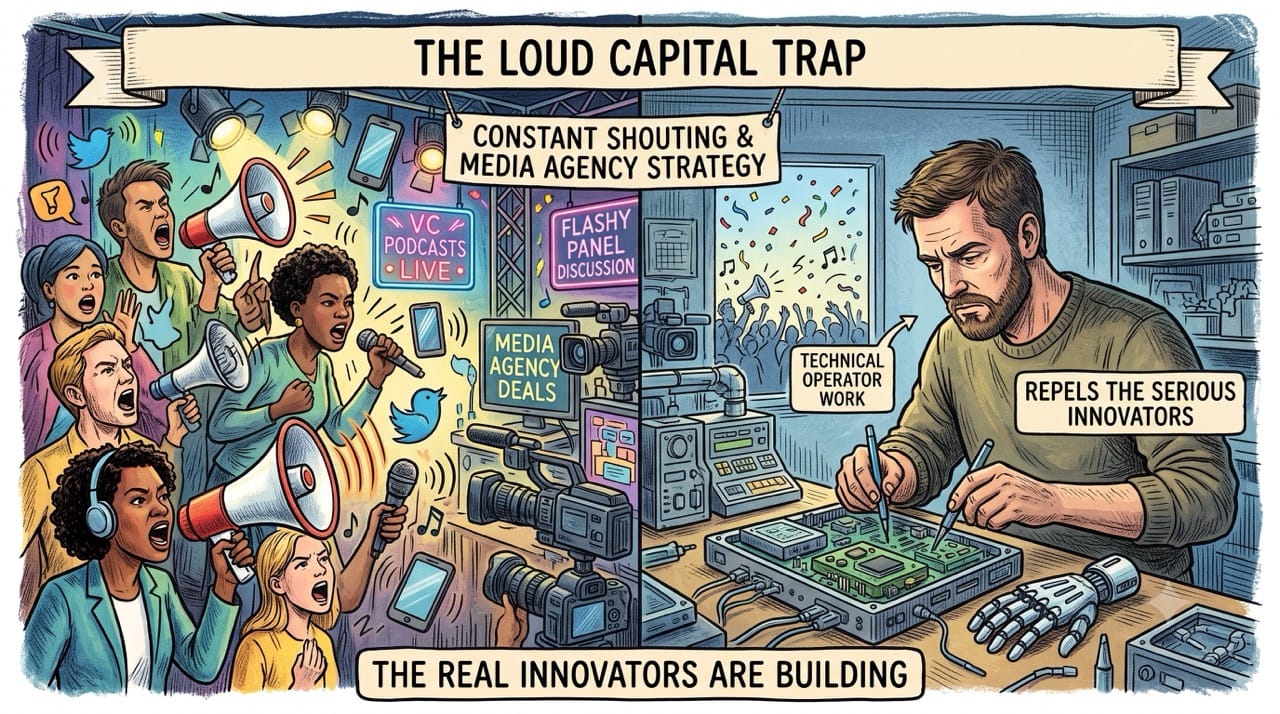
The Loud Capital Trap
The modern venture capital ecosystem is very noisy. Most competing firms are desperately trying to build internal media agencies to generate deal flow.
They believe that hosting flashy panel discussions will attract the best founders.
This constant shouting actually repels the most serious technical operators.
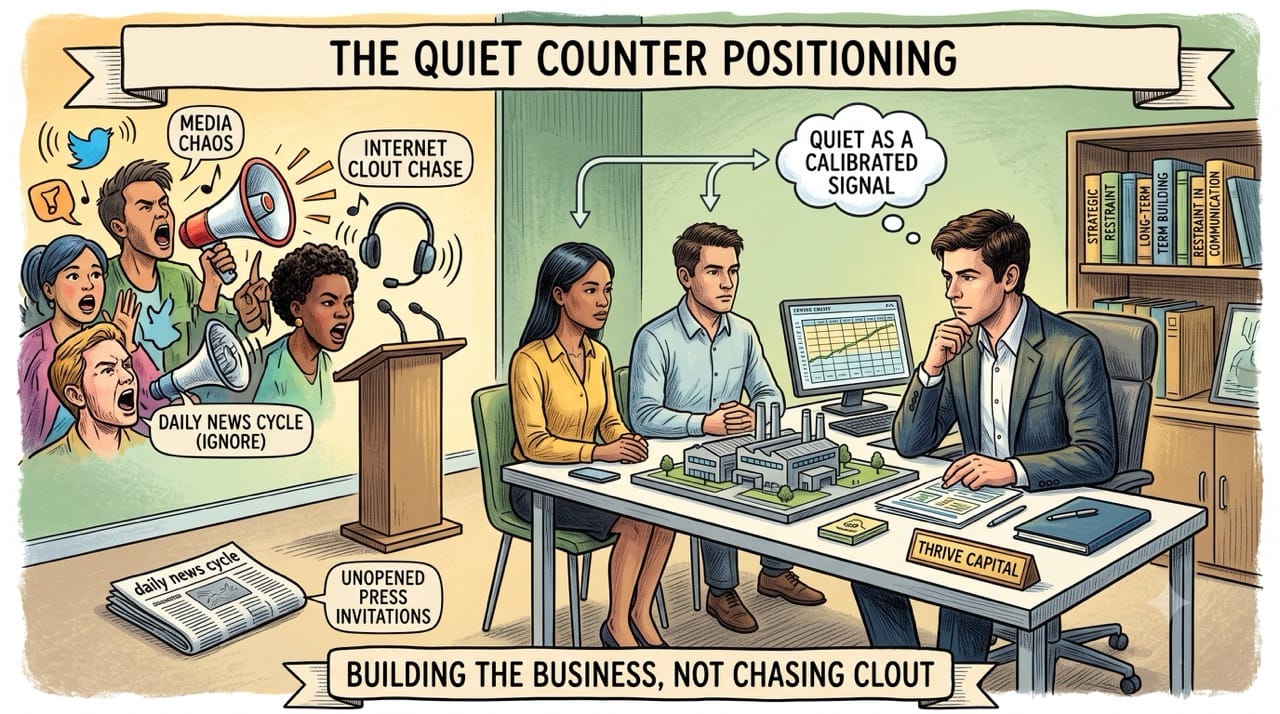
The Quiet Counter Positioning
Joshua Kushner built Thrive Capital on the exact opposite psychological premise.
He rarely gives interviews and intentionally keeps his firm completely out of the daily news cycle.
This quiet counter positioning is a highly calculated marketing strategy.
It signals to elite founders that the firm cares entirely about building the business rather than chasing internet clout.
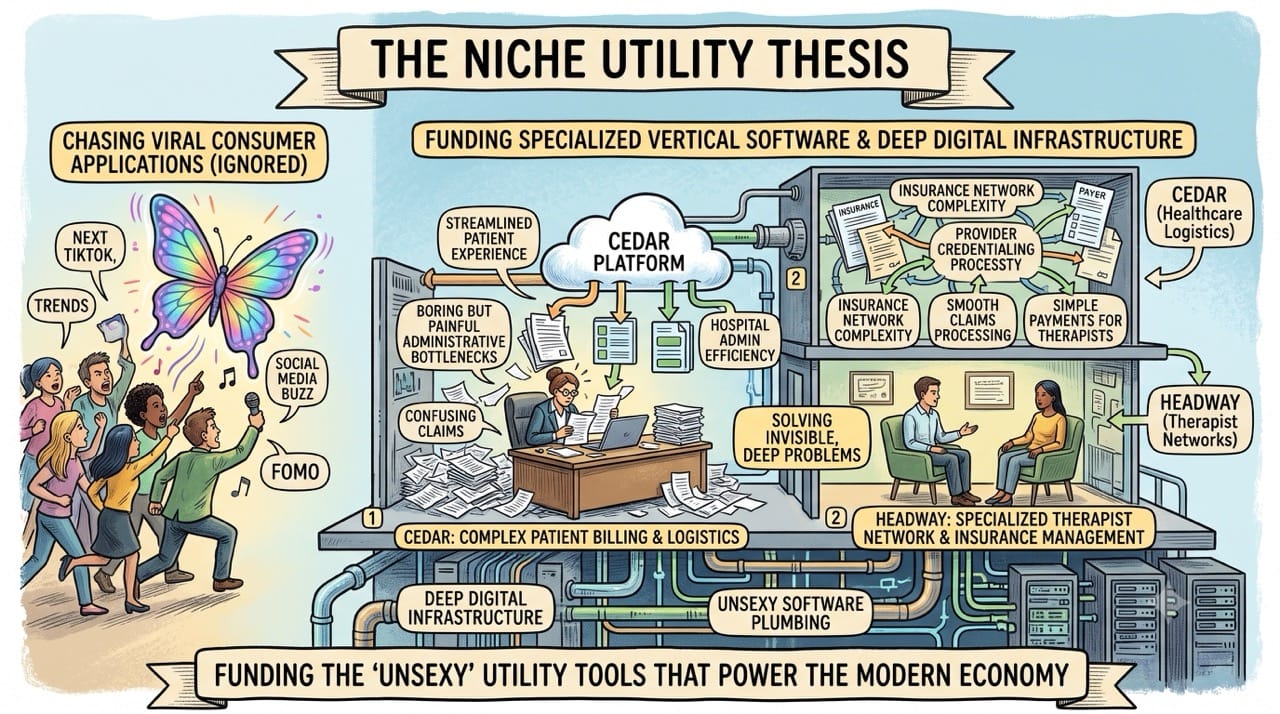
The Niche Utility Thesis
The portfolio reveals a deep fascination with highly unsexy digital infrastructure.
They prefer funding specialized vertical software instead of chasing the latest viral consumer application.
Look at their heavy investments in complex healthcare logistics like Cedar and Headway.
These platforms solve boring but painful administrative bottlenecks for very specific medical providers.
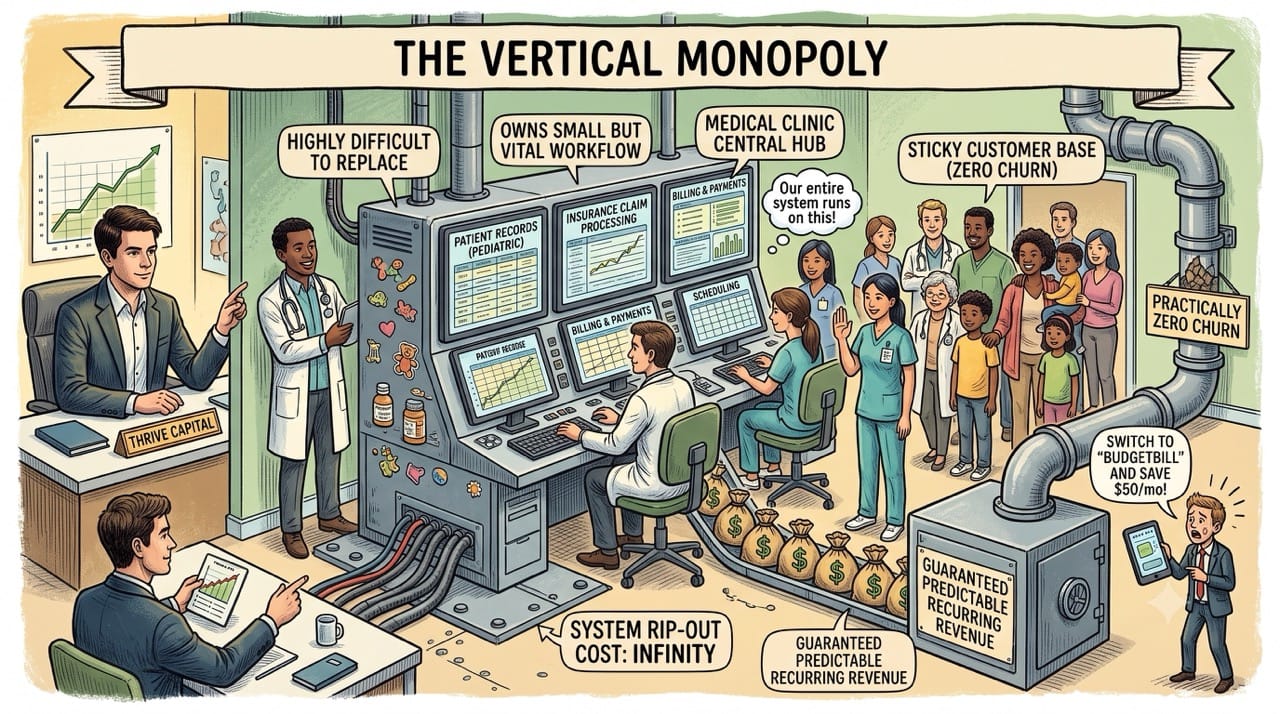
The Vertical Monopoly
Once a software company dominates a specific niche it becomes highly difficult to replace.
A medical clinic is never going to rip out their entire billing system just to save a few dollars.
This creates a highly sticky customer base with practically zero churn.
Thrive recognizes that owning a small but vital operational workflow guarantees highly predictable recurring revenue.
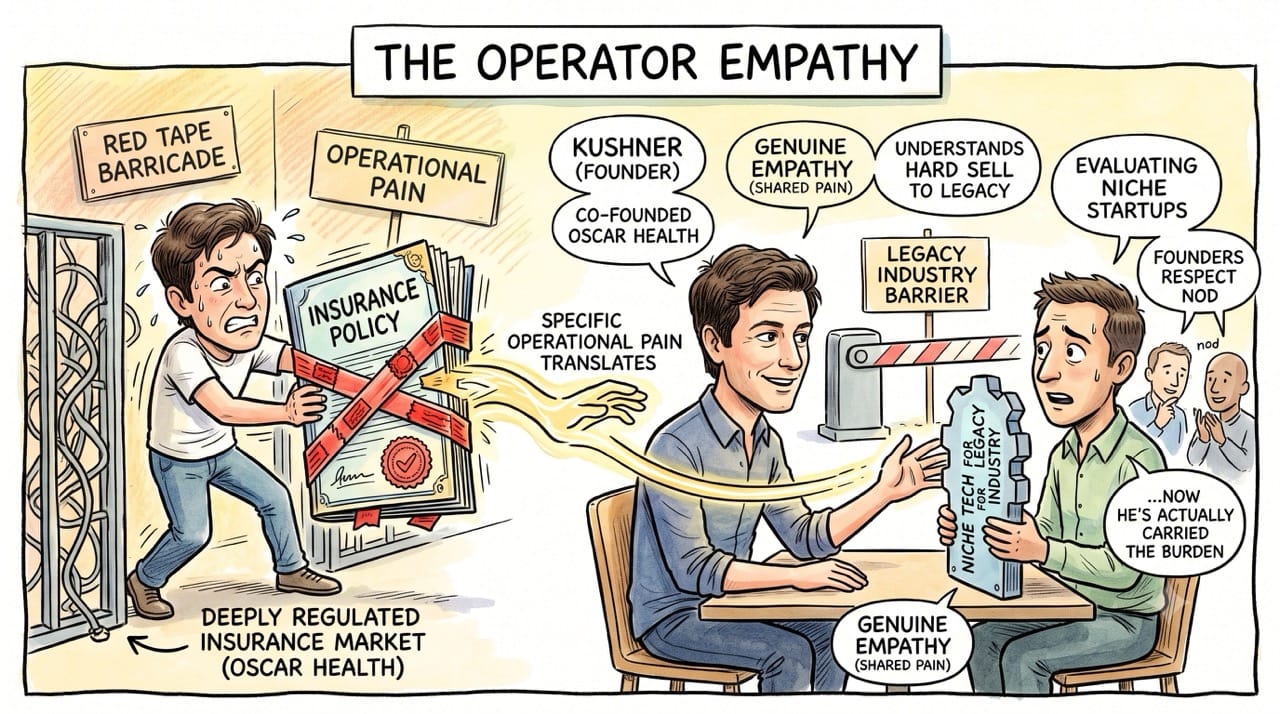
The Operator Empathy
Kushner also cofounded Oscar Health which forced him to navigate the deeply regulated insurance market.
That specific operational pain translates into genuine empathy when evaluating other niche startup founders.
He understands exactly how hard it is to sell software into legacy industries.
Founders respect investors who have actually carried the heavy burden of building a regulated company from scratch.
Scaling the Trust
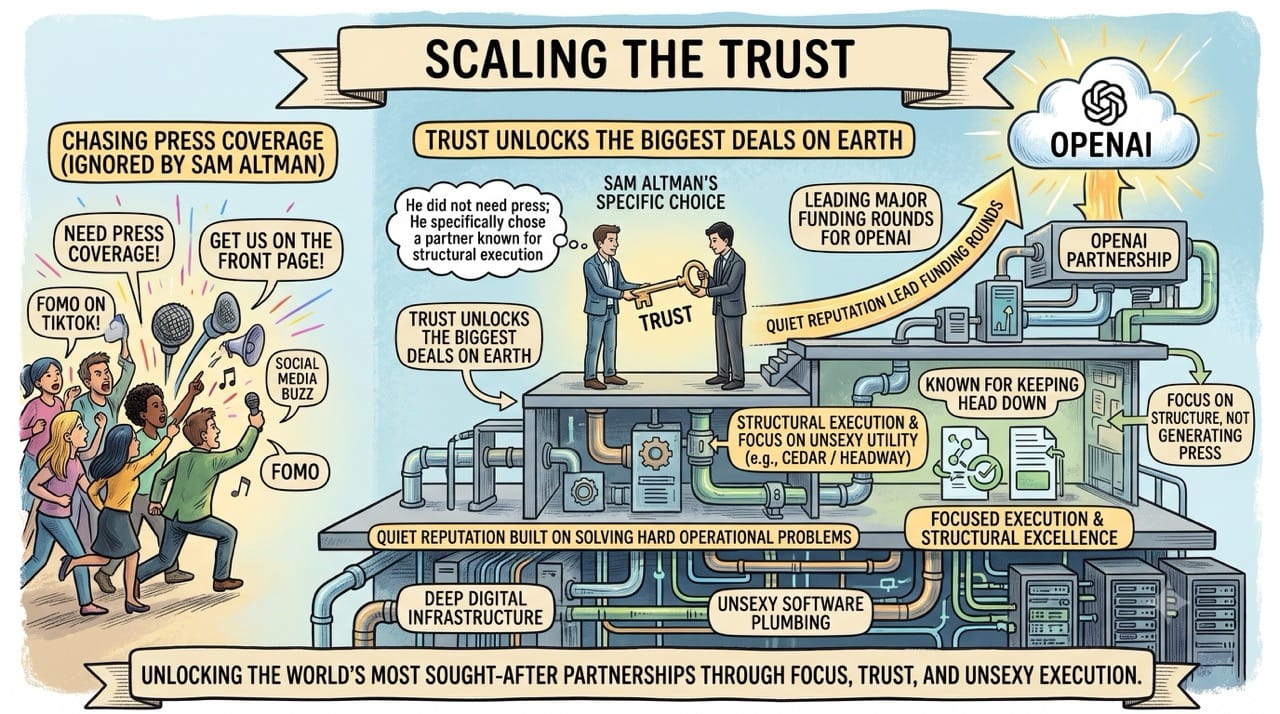
This quiet reputation for solving hard operational problems eventually unlocks the biggest deals on earth.
It is the exact reason Thrive was recently trusted to lead the major funding rounds for OpenAI.
Sam Altman did not need a venture firm to help him generate press coverage.
He specifically chose a partner known for keeping their head down and focusing purely on structural execution.
Conclusion: The Invisible Empire
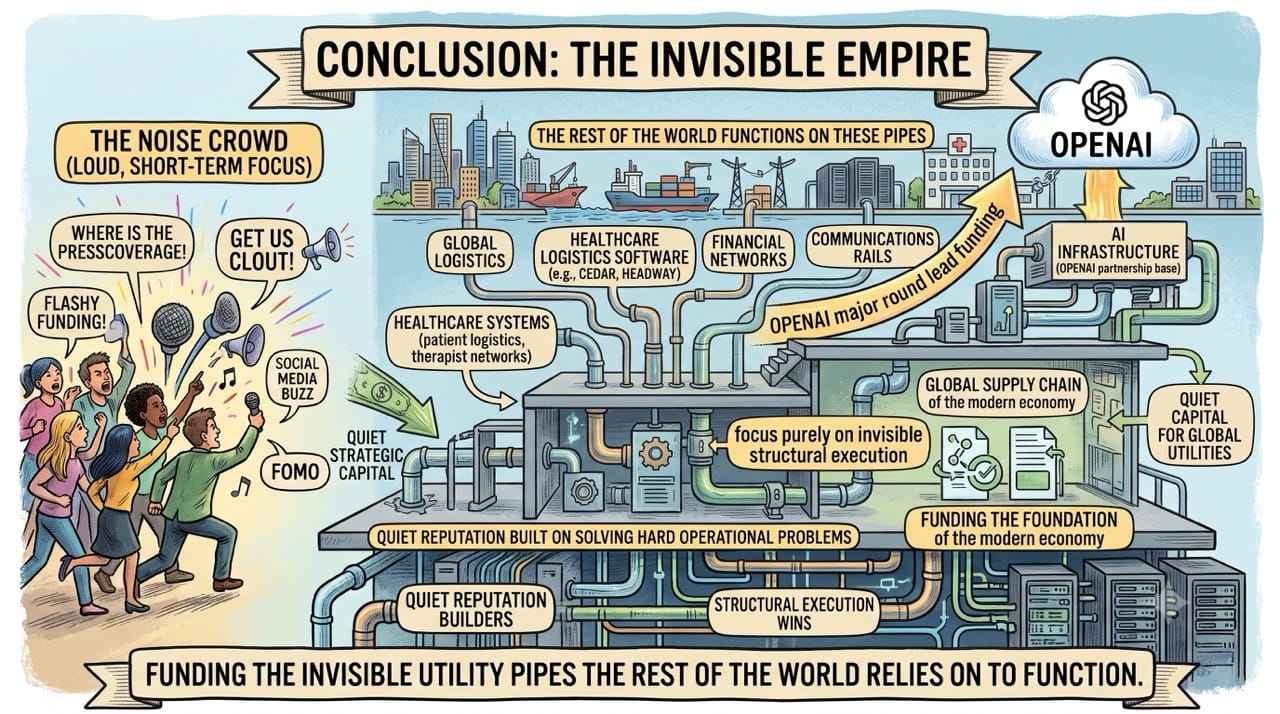
You do not need a megaphone to win the modern technology race.
The smartest investors are quietly funding the invisible utility pipes that the rest of the world relies on to function.