How Dr. PONG Hacked the Asian Beauty Market
We assume building a beauty empire requires massive venture capital and expensive shelf space at legacy department stores. Dr. PONG proved that redirecting physical retail commissions directly into decentralized affiliate networks is the ultimate growth hack for the modern consumer brand.
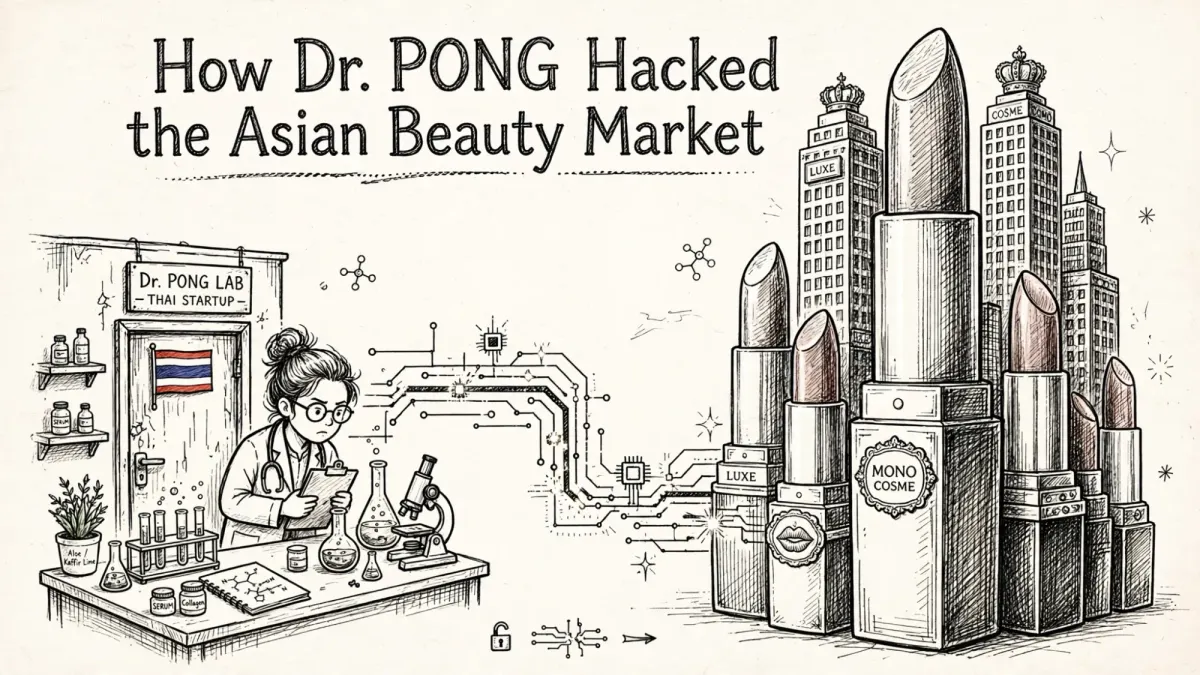
By weaponizing deep medical research and exploiting the hidden mechanics of TikTok affiliate structures a small Thai startup completely bypassed the legacy cosmetic monopolies.
Inspiration: After realizing they dominate the ecommerce market in Thailand... Deconstructing the unprecedented rise of First Class Innovation Co., Ltd. and their flagship brand Dr. PONG. Realizing their success is not just a localized beauty trend but a masterclass in modern margin optimization, deep tech acquisitions, and decentralized digital scaling.
The Original Pivot
Most massive beauty conglomerates are launched with incredible venture capital funding and heavy marketing budgets.
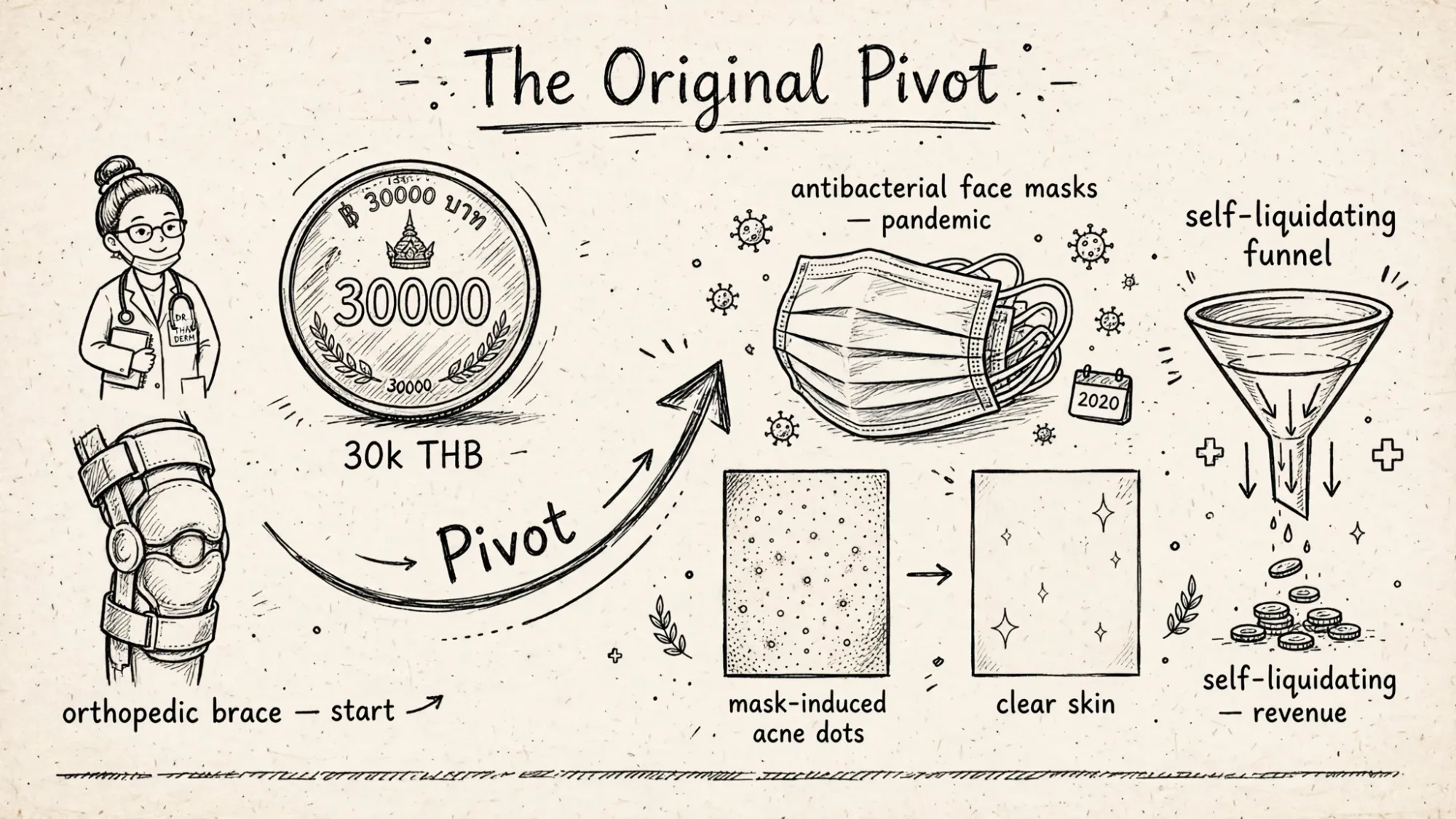
Dr. PONG originated from a tiny thirty thousand baht investment by a local Thai dermatologist testing orthopedic accessories.
The true genesis of the empire occurred during the pandemic when the founder noticed a massive spike in mask induced acne.
They aggressively pivoted the entire supply chain to manufacture specialized anti bacterial face masks.
That single product acted as a massive self liquidating customer acquisition vehicle, building the foundational consumer trust required to launch a full scale clinical skincare line.
The Margin Arbitrage
The fundamental genius of the Dr. PONG business model is how they completely rewired the traditional distribution architecture of Southeast Asia.
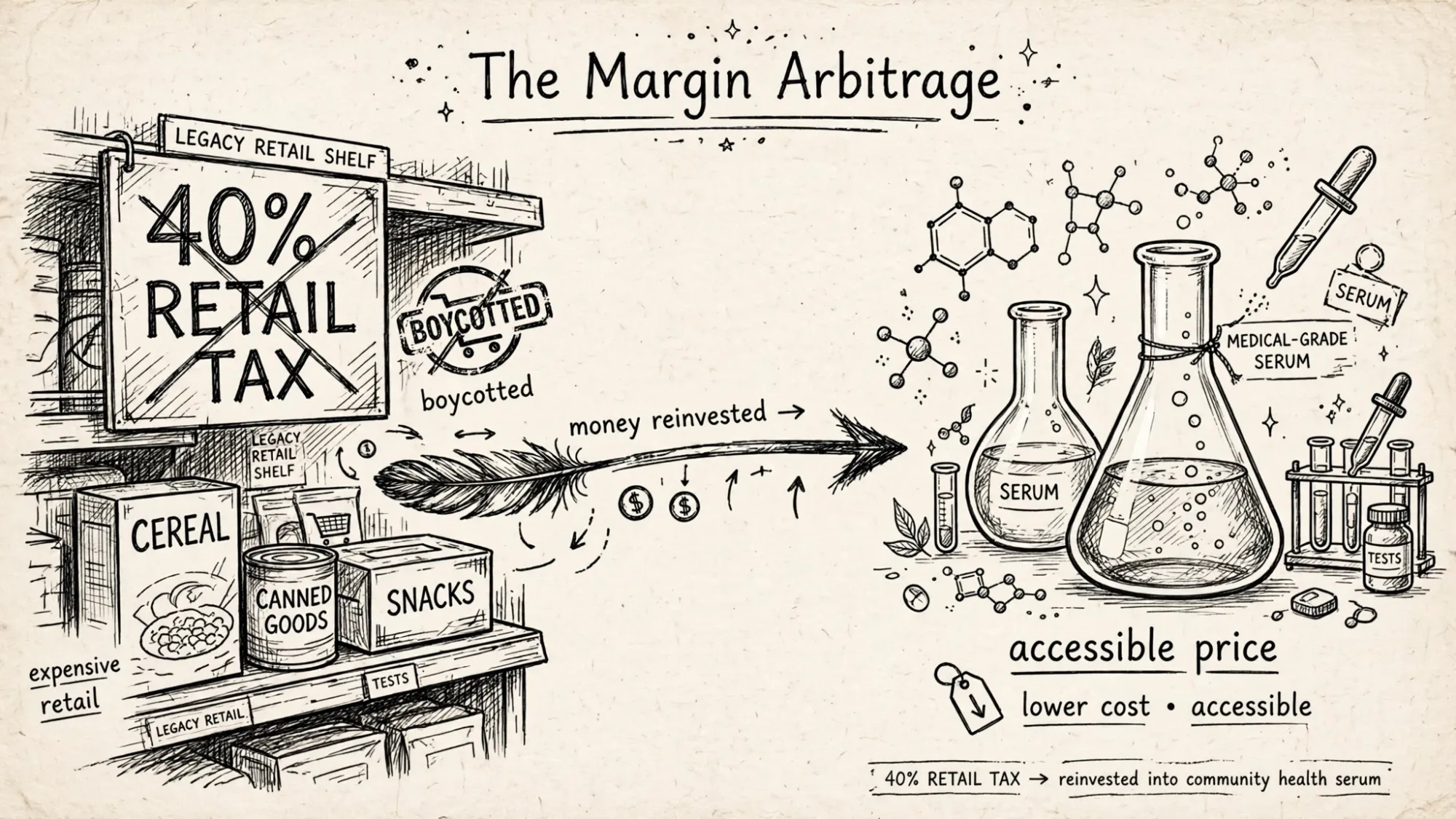
Legacy beauty brands routinely sacrifice up to forty percent of their gross profit margins just to secure physical shelf space inside massive retail chains and supermarkets.
During its critical growth phase Dr. PONG intentionally boycotted these expensive legacy retailers.
They took that massive forty percent retail commission and aggressively reinvested it directly into raw product formulation.
This structural advantage allowed them to pack their serums with medical grade active ingredients while maintaining a radically accessible consumer price point.
The Deep Tech Acquisition
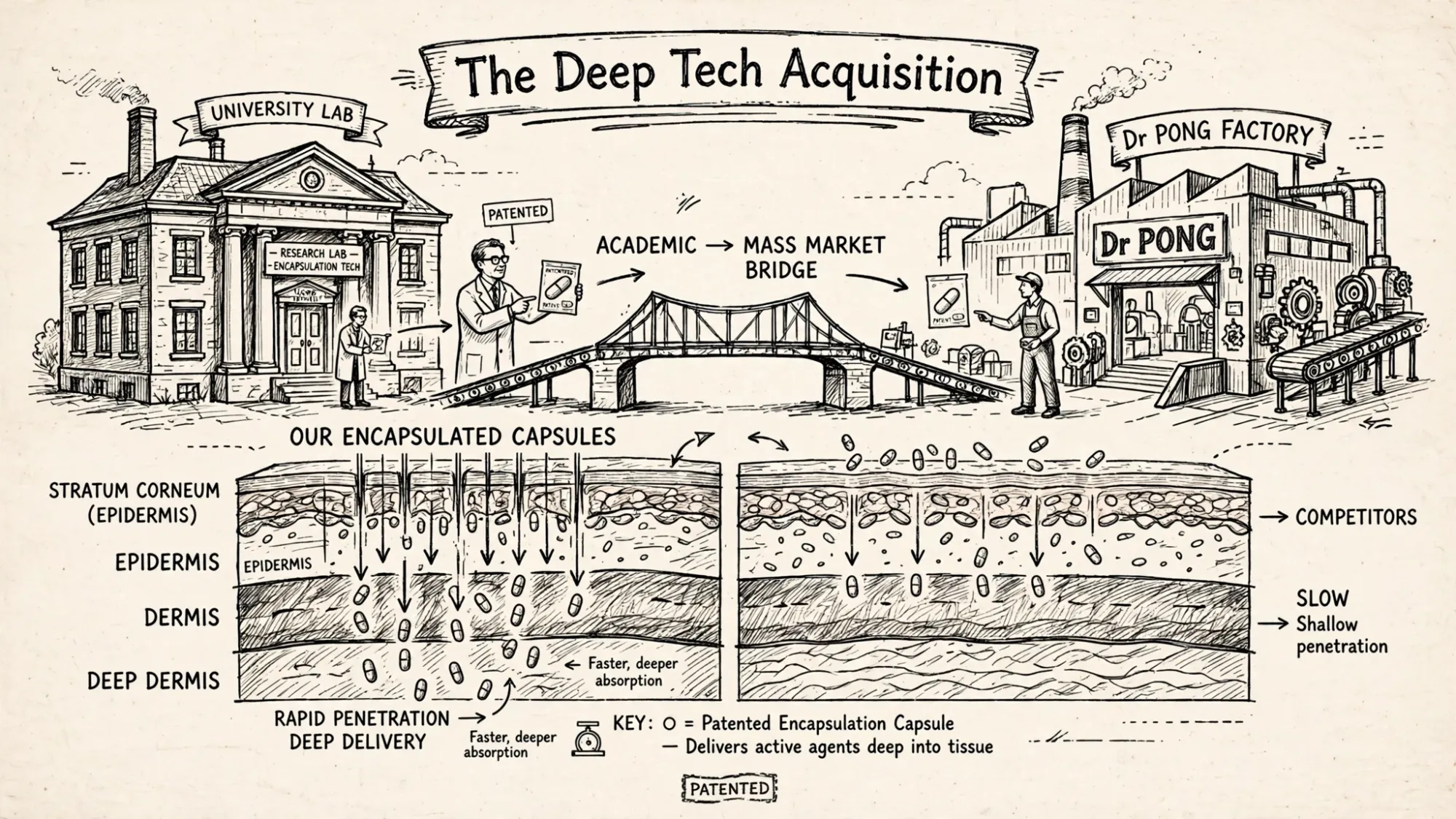
They actively avoided generic factory formulations to build a highly defensible technological moat. Instead of just buying standard ingredients they acquired a university deep tech startup specializing in advanced biomolecular delivery systems.
This acquisition allowed them to integrate globally patented encapsulation technology into their products.
It guarantees their active ingredients penetrate the dermal layers drastically faster than their competitors.
They essentially bridged the gap between raw academic pharmaceutical research and mass market consumer distribution.
The Affiliate Army
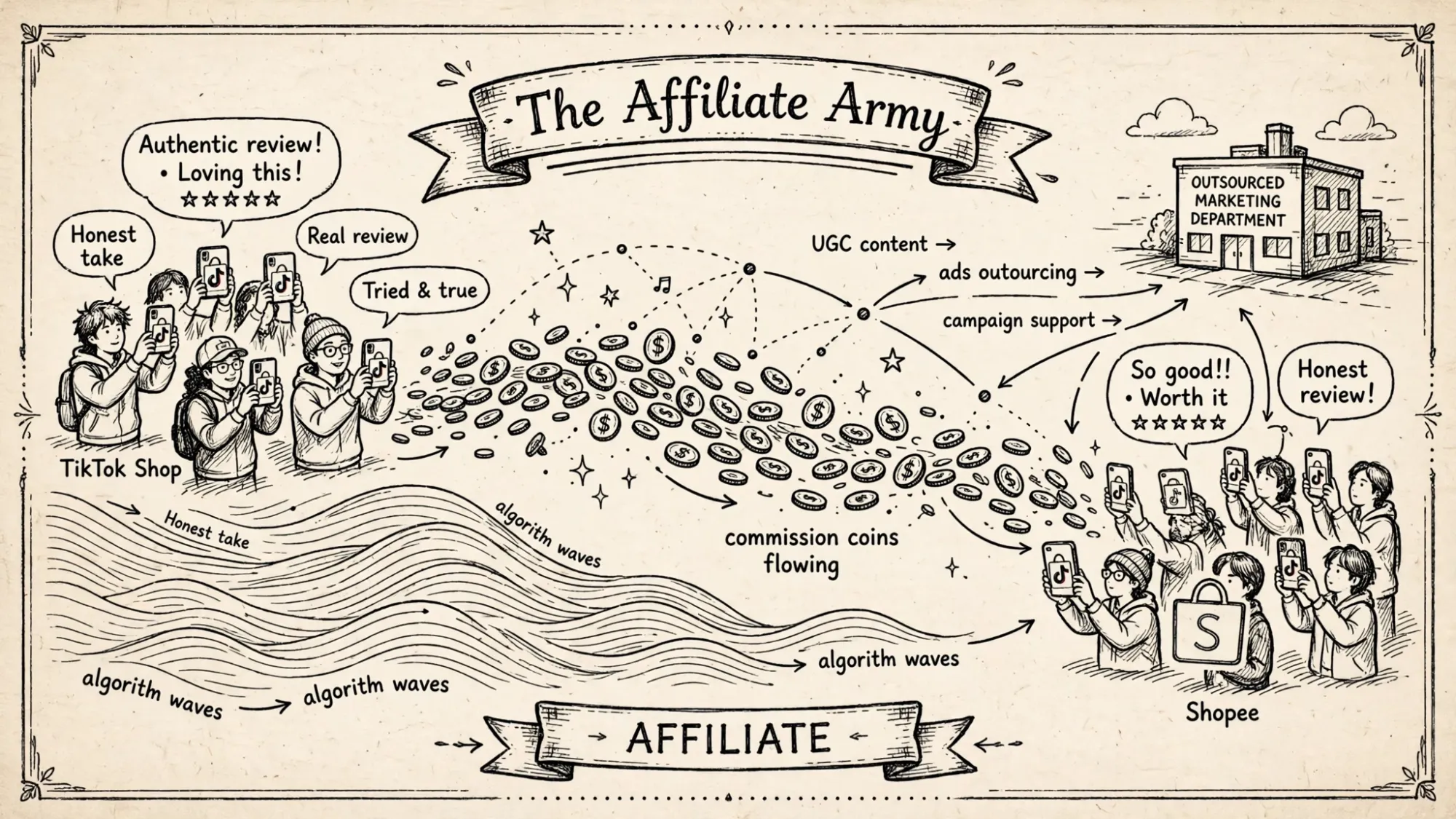
Dr. PONG completely abandoned the traditional advertising playbook of buying expensive television commercials and glossy magazine spreads.
They built a highly sophisticated decentralized marketing engine using the affiliate mechanics of TikTok Shop and Shopee.
Because they saved so much money by avoiding physical retail markups they could afford to offer highly lucrative commission rates to everyday consumers and digital creators.
They essentially outsourced their entire marketing department to thousands of highly motivated independent creators who flood the algorithm with authentic product reviews around the clock.
The Cost of Digital Acquisition
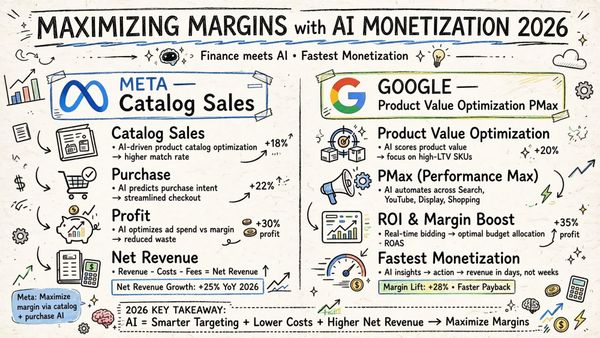
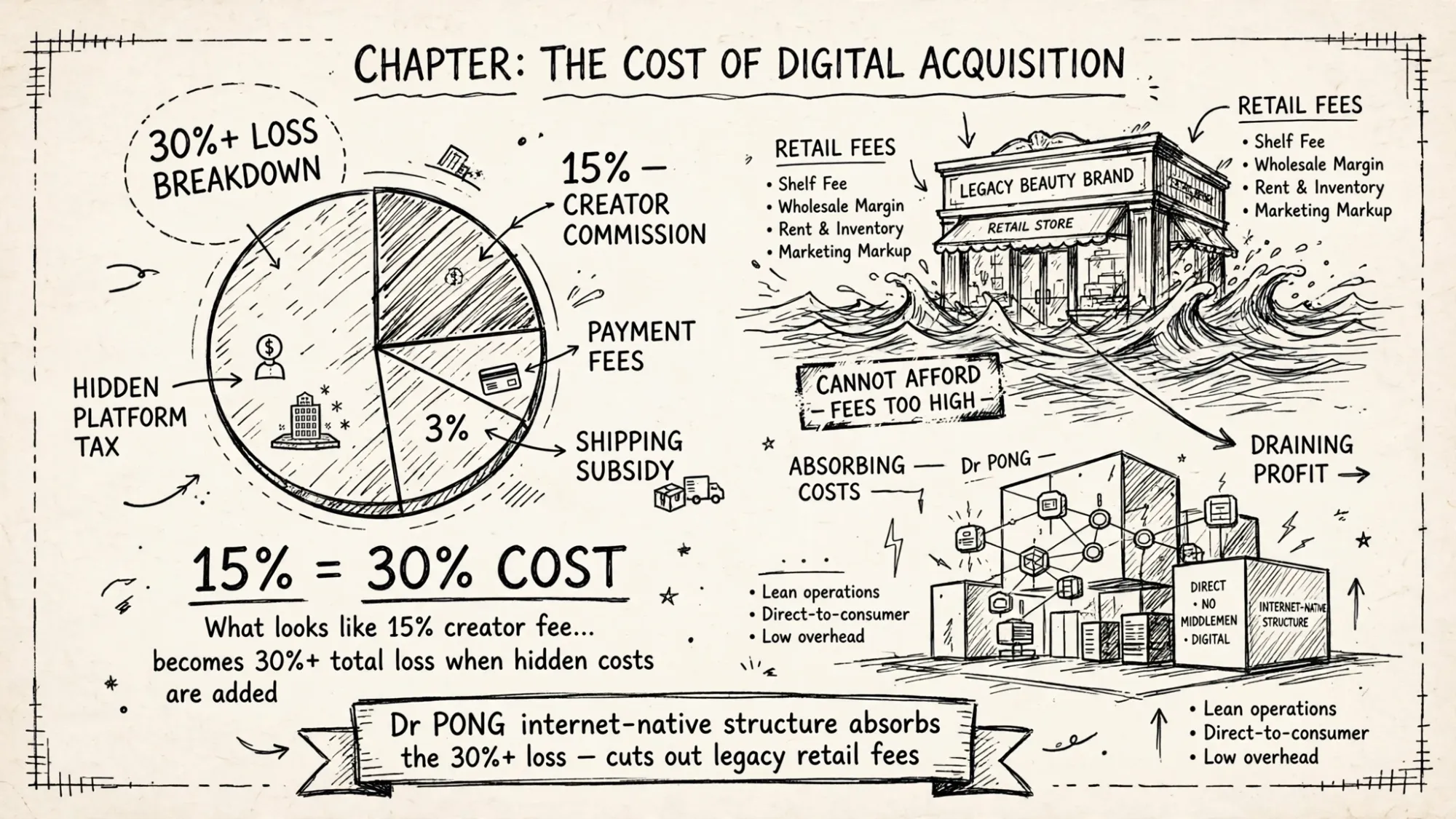
Operating these affiliate programs is actually incredibly expensive when you calculate the hidden platform taxes, payment processing fees, and mandatory shipping subsidies.
A brand offering a fifteen percent commission to a creator often loses over thirty percent of the total sale to the platform infrastructure.
Legacy beauty brands simply cannot afford this digital acquisition cost because they are already trapped paying physical retail fees.
Dr. PONG can comfortably absorb this heavy digital tax precisely because they engineered their entire corporate structure to operate natively on the internet.
Bridging Cosmetics and Skincare
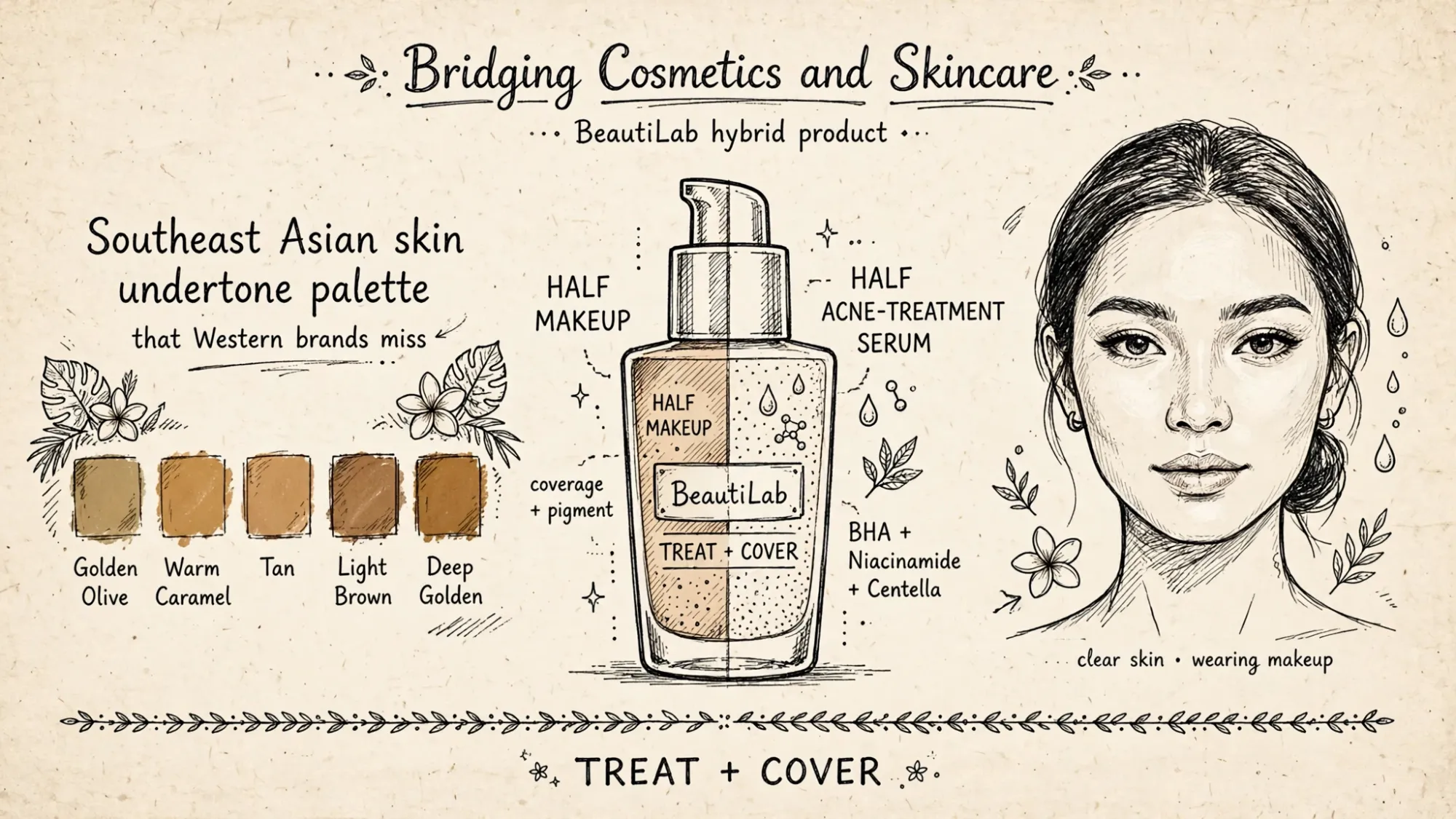
The company brilliant expanded their clinical authority directly into the lucrative color cosmetics market through their sub brand BeautiLab.
They identified a massive cultural pain point where Western makeup brands constantly failed to match the unique undertones of Southeast Asian consumers.
They engineered specialized color correctors and high coverage foundations infused with active acne fighting compounds.
This creates a hybrid product that actively treats the skin while wearing it, allowing them to steal massive market share from legacy cosmetic brands that only focus on superficial coverage.
The Geopolitical Endorsement
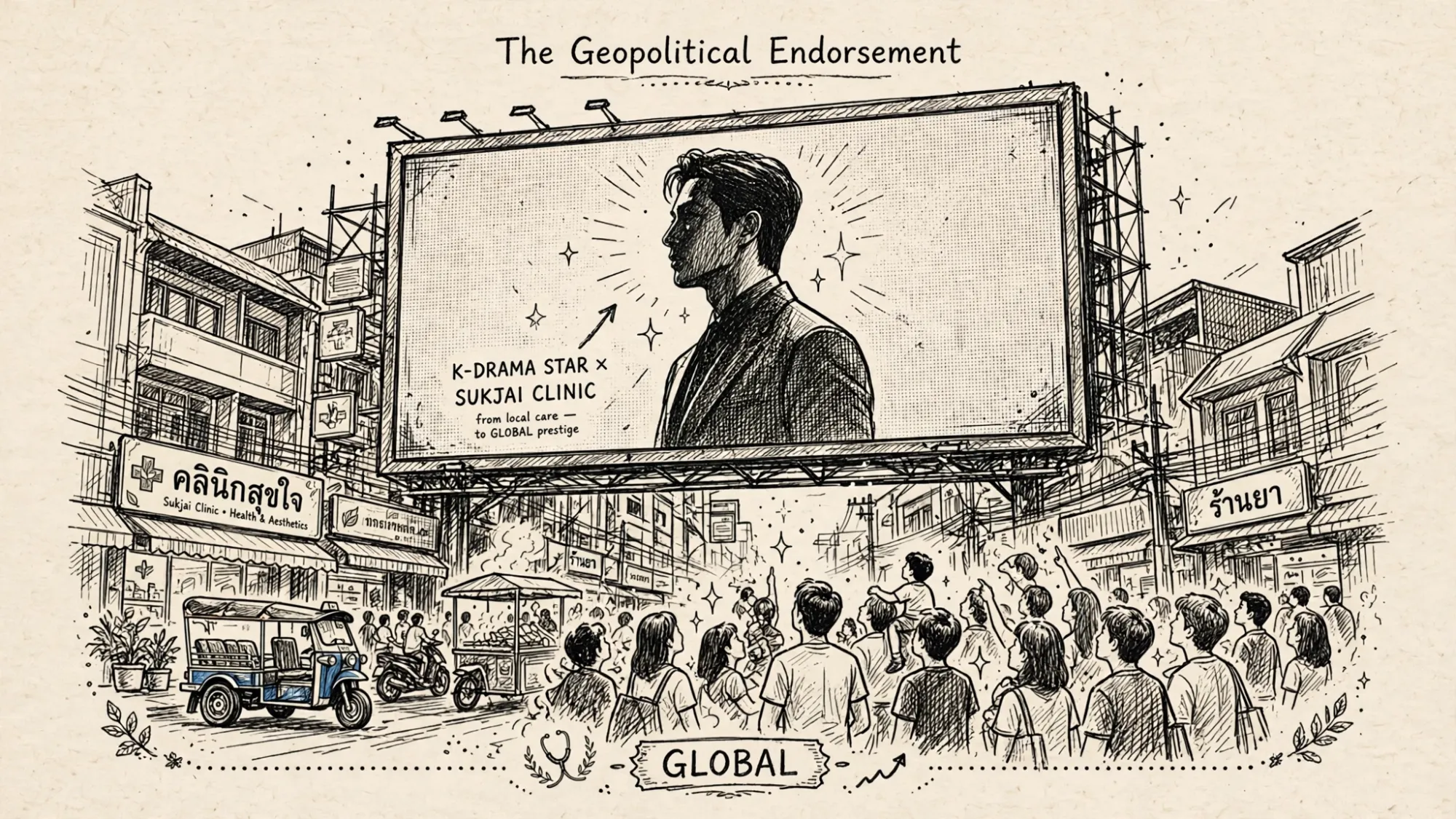
Once the digital foundation was firmly established they executed a brilliant geopolitical branding maneuver.
They hired elite South Korean actor Kim Seon Ho as their first global brand ambassador.
South Korean cultural exports carry an immense prestige premium across the entire Southeast Asian region.
Plastering a highly recognizable K Drama star across digital billboards instantly elevated Dr. PONG from a scrappy local clinical brand into a highly prestigious international contender.
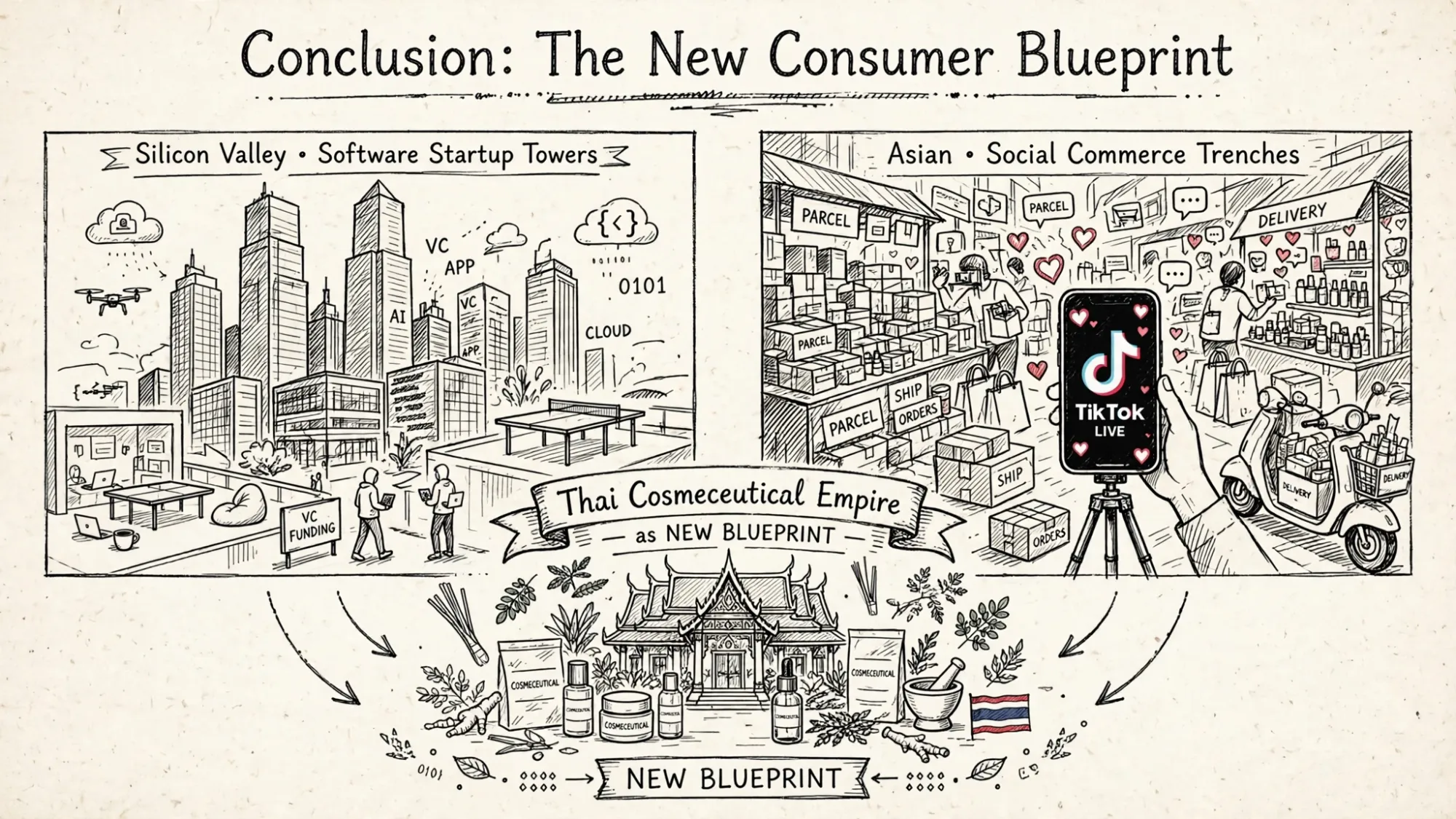
Conclusion: The New Consumer Blueprint
We spend all our time studying Silicon Valley software startups for the latest growth strategies.
This Thai cosmeceutical empire proves that the most aggressive and lucrative business models in the world are currently being built in the trenches of Asian social commerce.