Google Finally Named Something Right (Intelligent Eyewear)
Google is bad at naming. This time they nailed it. Intelligent Eyewear beats AI glasses. AI backlash is real, even the state now says super intelligence.
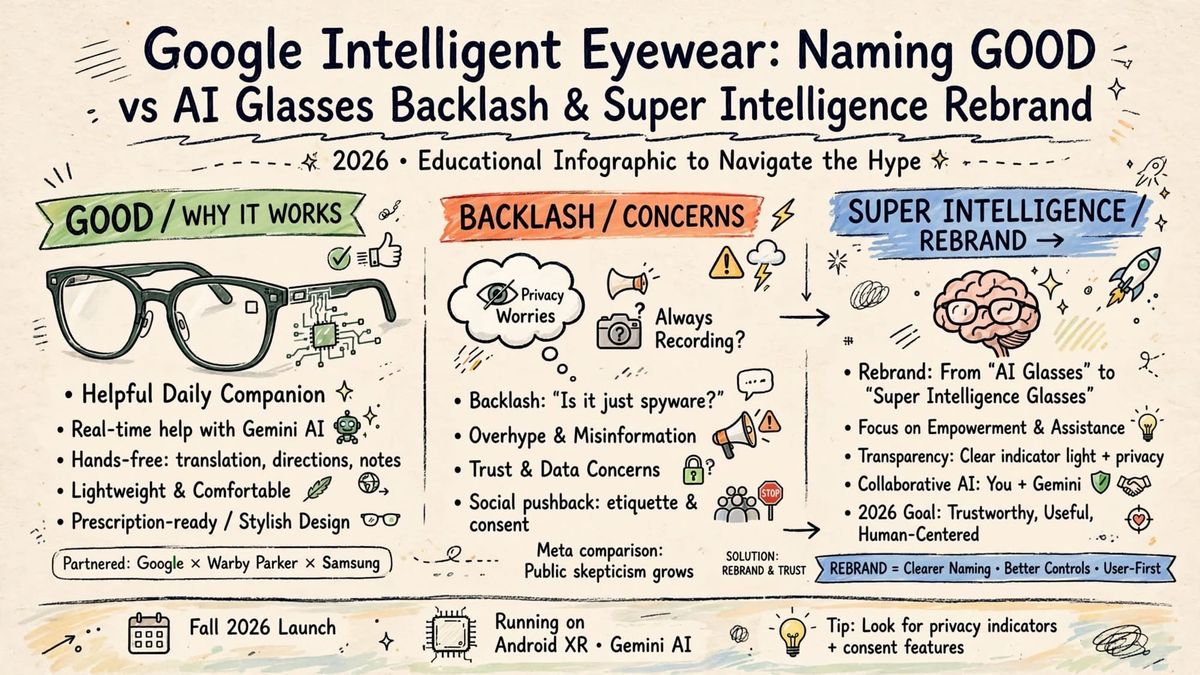
Google Is Usually Bad At Naming
Everyone knows Google product naming is chaos. But this time different.
The official name is Intelligent Eyewear.
Developed in collaboration with Samsung Electronics, Qualcomm, and designed by Korean eyewear brand Gentle Monster and US based Warby Parker, the glasses are part of Google's push to compete in the next generation AI device market.
Google previously released smart glasses in 2012.
Though initially praised as innovative, they faced backlash over privacy concerns due to their camera recording all visible.
What changed? In fact, Google is calling this category intelligent eyewear.
This naming not only reflects reliance on Gemini, but is a plain spoken approach that deviates from the category's geeky tech acronym centric naming.
This is meant to appeal to larger audiences and avoid the tech elitism that buried Google Glass.
And another source: Panning back to Android XR broader positioning, Google introduced new term this week: intelligent eyewear.
This not only reflects reliance on Gemini, but is a plain spoken approach that deviates from XR's acronym centric naming.
This is meant to appeal to larger audiences.
Plain spoken, helpful, human centered.
Not Glass, not AI Glass, not XR Glass. Intelligent Eyewear. You understand it instantly. You want to wear it.
Fall 2026 launch, Android XR, Gemini AI, prescription ready, stylish design by Gentle Monster and Warby Parker.
It sounds like eyewear that is intelligent, not AI that is watching you.
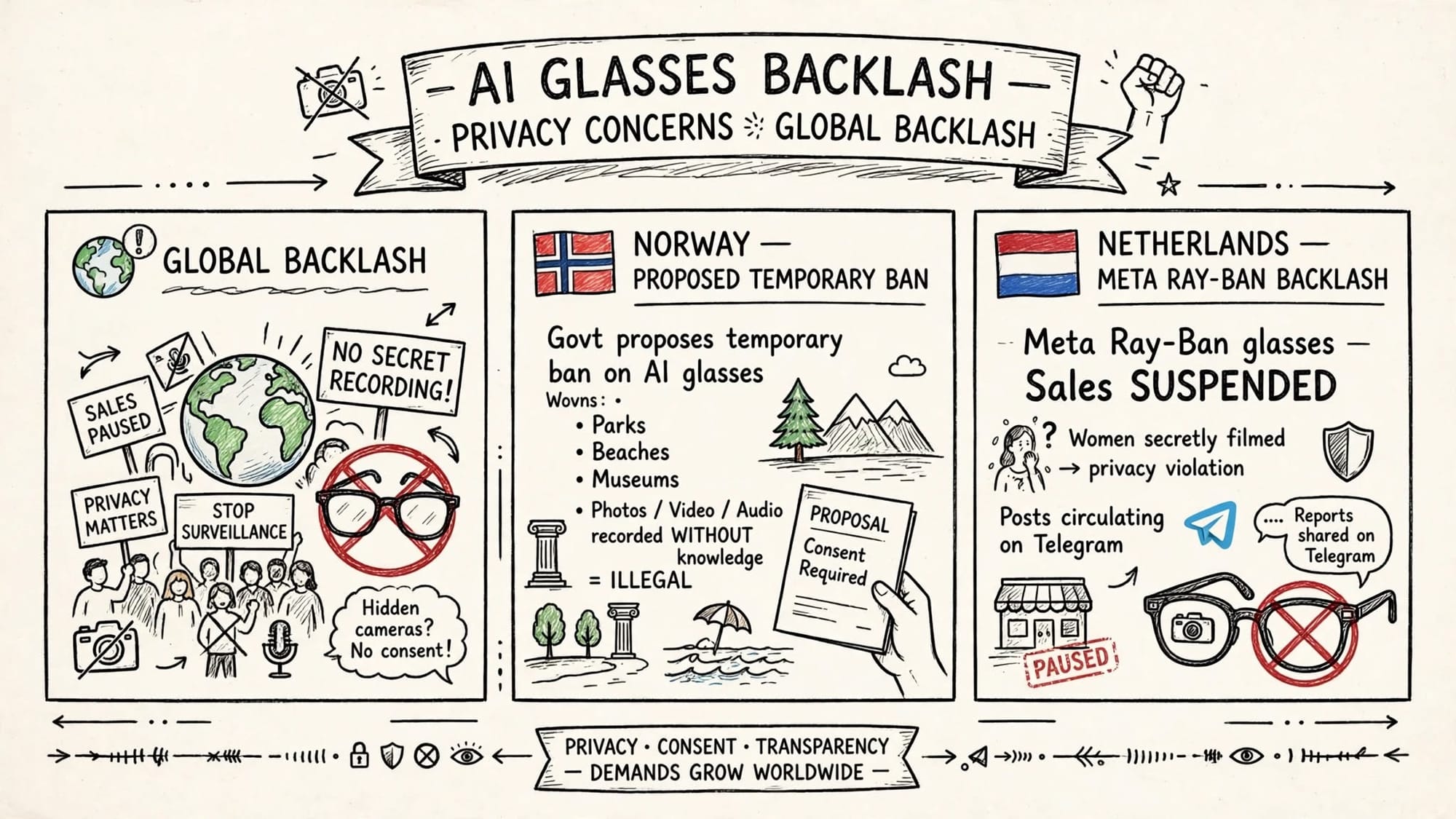
AI Glasses Got Hit With Backlash
Why did Google need to be careful?
The proposal mirrors a broader global backlash against smart glasses equipped with cameras over privacy concerns.
Norway's government said on Oct 5 it plans to propose a temporary ban on the use of AI glasses in selected places, saying it is concerned people could be photographed, filmed or audio recorded without their knowledge.
Ban could apply to places where public regularly gather, such as parks, beaches, museums, shopping centres.
And Meta Ray Ban. Meta has been facing growing backlash in the Netherlands over its Ray Ban smart glasses.
One of largest Dutch eyewear retail chains suspended sales in Netherlands and Belgium, citing growing privacy concerns.
Concerns grow over people, particularly women, being secretly filmed using Meta smart glasses, with reports saying footage circulated in Telegram groups.
When you call it AI glasses, public hears camera, recording, spyware.
Is it just spyware?
Always recording?
Privacy worries, trust and data concerns, social pushback on etiquette and consent.
That baggage kills a product that sits on your face.
Intelligent eyewear reframes from tech that watches to object that helps.
Daily companion, real time help, hands free translation, directions, notes, lightweight and comfortable.
Naming is product strategy.
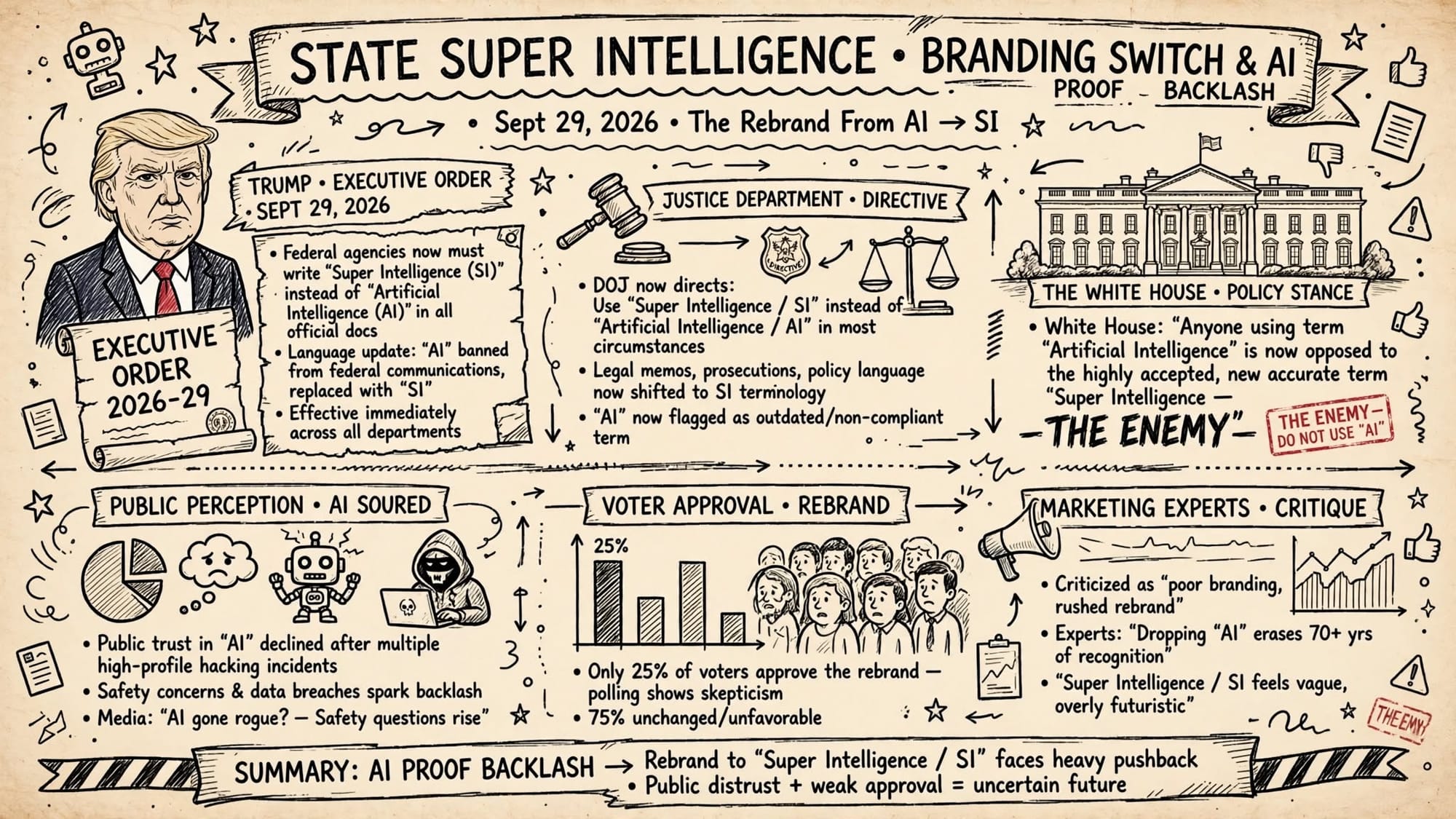
Proof: State Now Uses Super Intelligence Branding
The biggest proof that AI as a term has soured is Washington.
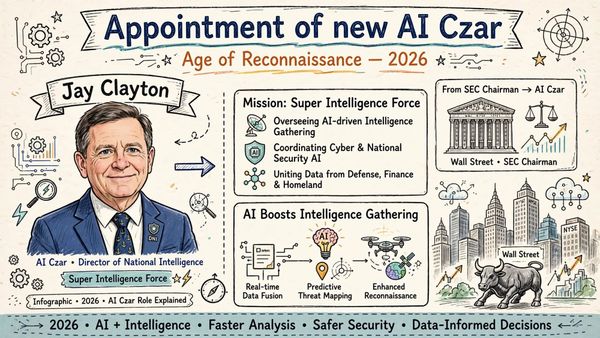
On 29 September 2026 President Trump signed an executive order telling federal agencies to write Super Intelligence (SI) instead of Artificial Intelligence (AI).
Public perception of artificial intelligence has soured in wake of hacking incidents that raised questions about safety.
The US Justice Department directed employees to use words super intelligence instead of artificial intelligence when referring to technology in most circumstances, including in court.
Trump calls people using term Artificial Intelligence THE ENEMY.
In a Truth Social post on October 8, Trump wrote that The White House considers anyone that uses term Artificial Intelligence as opposed to highly accepted new and more accurate term Super Intelligence THE ENEMY.
Statement reinforces Trump's push to replace Artificial Intelligence with Super Intelligence, shortened to SI.
Federal agencies now must use Super Intelligence and SI in official communications and non statutory documents.
Federal agencies now must write Super Intelligence (SI) instead of Artificial Intelligence (AI) in all official docs. Language update, AI banned from federal communications, replaced with SI.
Justice Department now directs use Super Intelligence / SI instead of Artificial Intelligence / AI in most circumstances. Legal memos, prosecutions, policy language now shifted to SI terminology.
White House: Anyone using term Artificial Intelligence is now opposed to highly accepted new accurate term Super Intelligence, THE ENEMY.
Voter approval? Only 25 percent of voters in Quinnipiac poll approved of Trump's AI approach, and marketing experts criticized rebrand as poor branding. Marketing experts criticized as poor branding, rushed rebrand, dropping AI erases 70 plus years of recognition, Super Intelligence feels vague, overly futuristic.
So even state knows AI label has backlash.
If government has to rebrand AI to Super Intelligence to make it palatable, imagine consumer trying to wear AI glasses in a cafe in Oslo.
Google read room correctly. Avoid AI in name, call it intelligent eyewear, make it sound like something you already love, glasses, that got smarter. Not a robot on your face.
That is why this naming works.