Zelenskyy's Biggest Mistake: Firing Mykhailo Fedorov
We assume removing a popular cabinet minister consolidates executive power during a grueling wartime administration. In reality firing Mykhailo Fedorov just guaranteed he will become the next president of Ukraine.
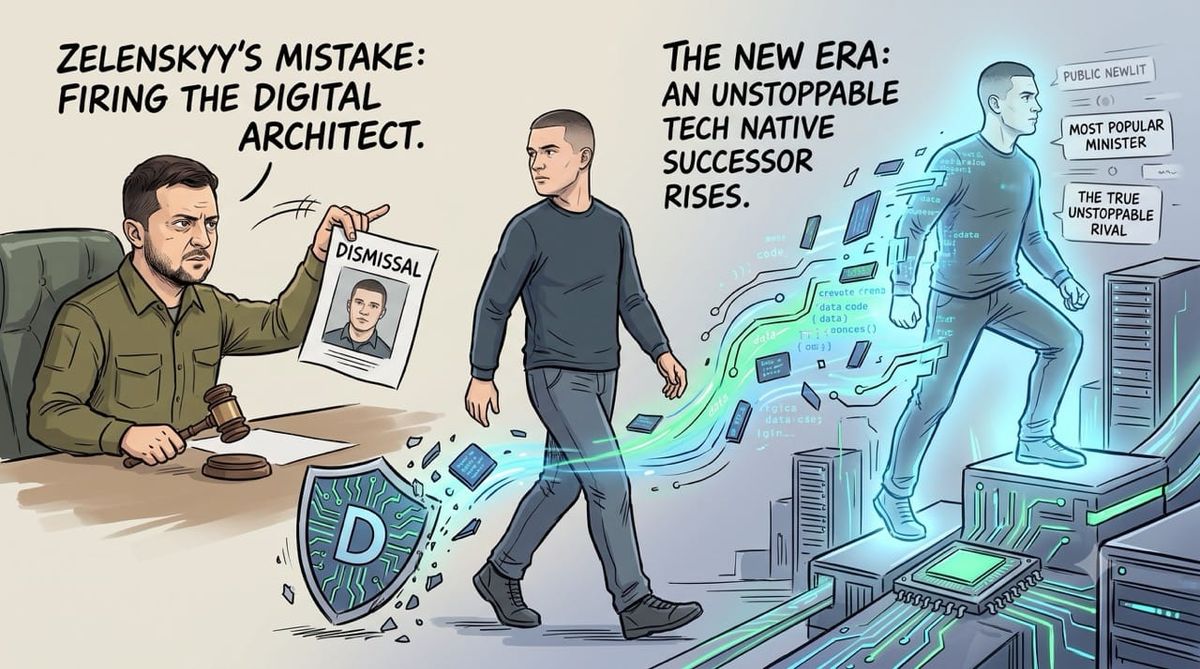
The Ukrainian president just removed the architect of his digital defense. This political miscalculation perfectly clears the runway for a tech native successor.
Inspiration: Analyzing the recent dismissal of Mykhailo Fedorov from the Ukrainian cabinet. Realizing that removing the most popular and technologically fluent minister in the country accidentally creates an unstoppable political rival.
The Political Miscalculation
Wartime leaders naturally try to consolidate their power and remove internal threats as conflicts drag on.
President Volodymyr Zelenskyy recently executed this exact playbook by suddenly dismissing Mykhailo Fedorov from his cabinet.
Fedorov served as the Minister of Digital Transformation and built an incredible reputation both domestically and abroad.
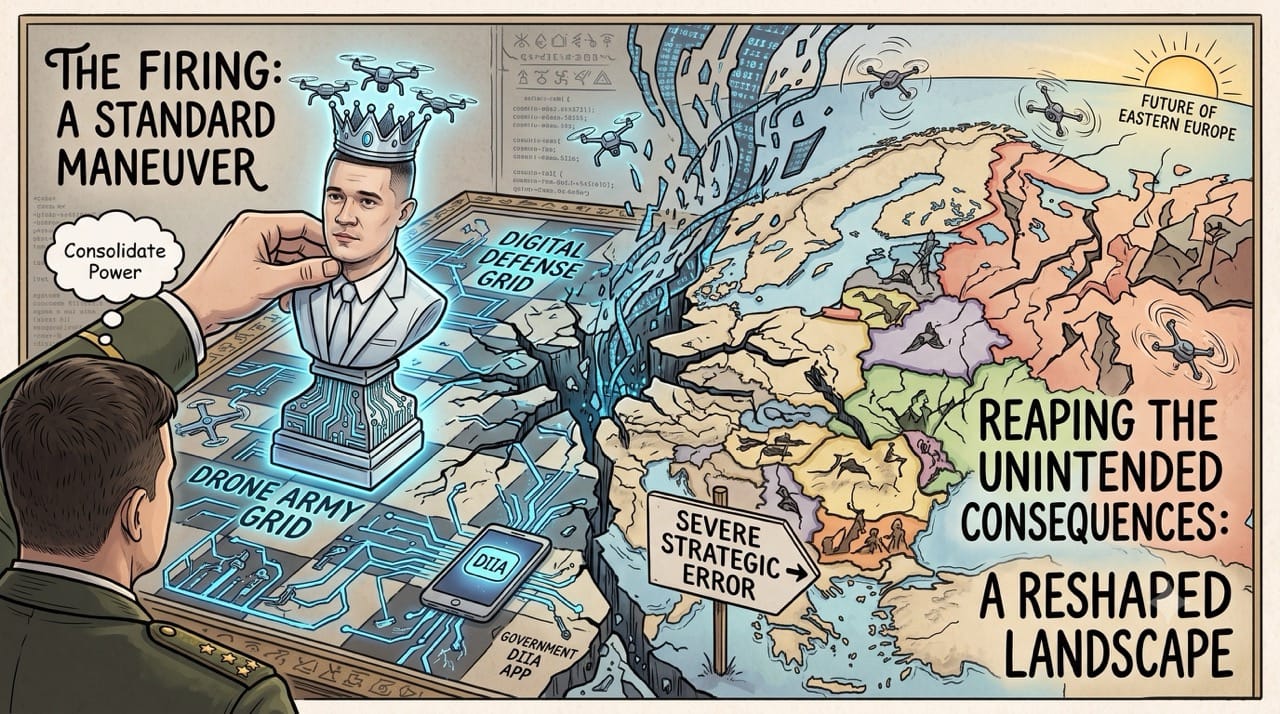
He built the famous drone army and digitized the entire government through a single mobile application.
Firing him looks like a standard political maneuver to eliminate a rising star. It is actually a severe strategic error that will completely reshape the future of Eastern European politics.
The Silicon Valley Bridge
To understand why this is a mistake you have to look at how Ukraine actually survived the early days of the invasion.
Fedorov did not rely on legacy military doctrine or slow bureaucratic procurement.
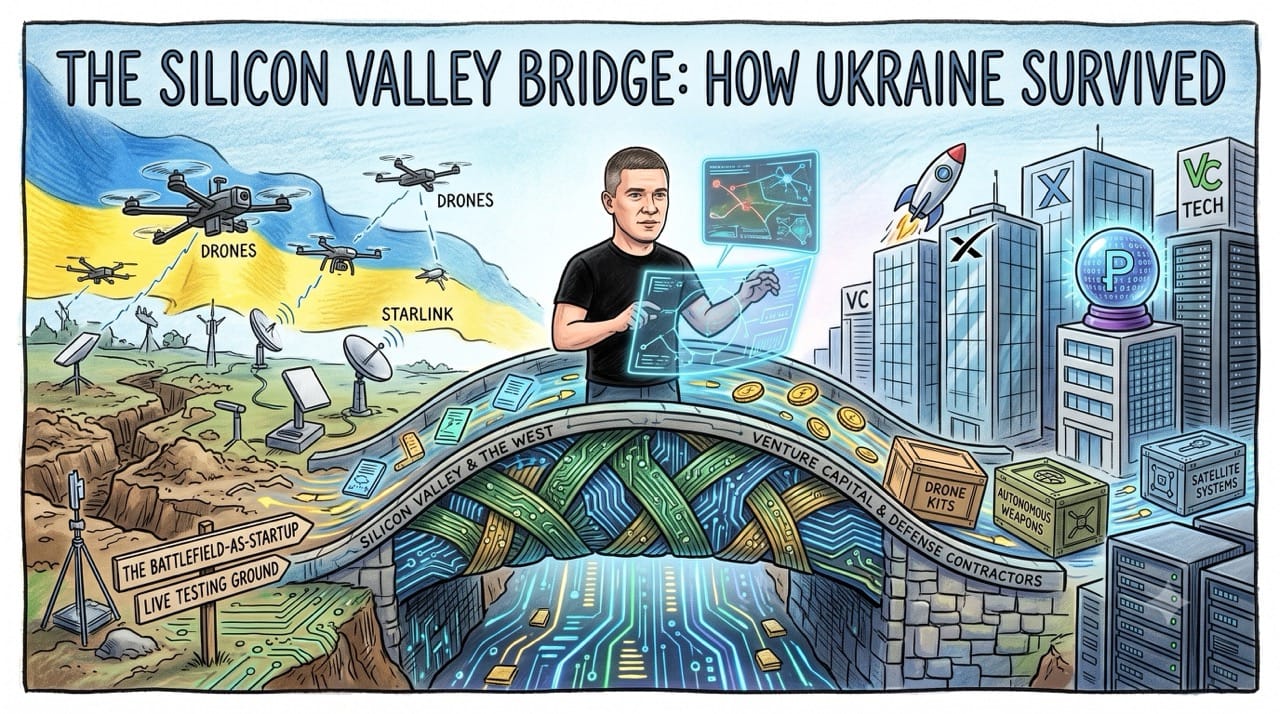
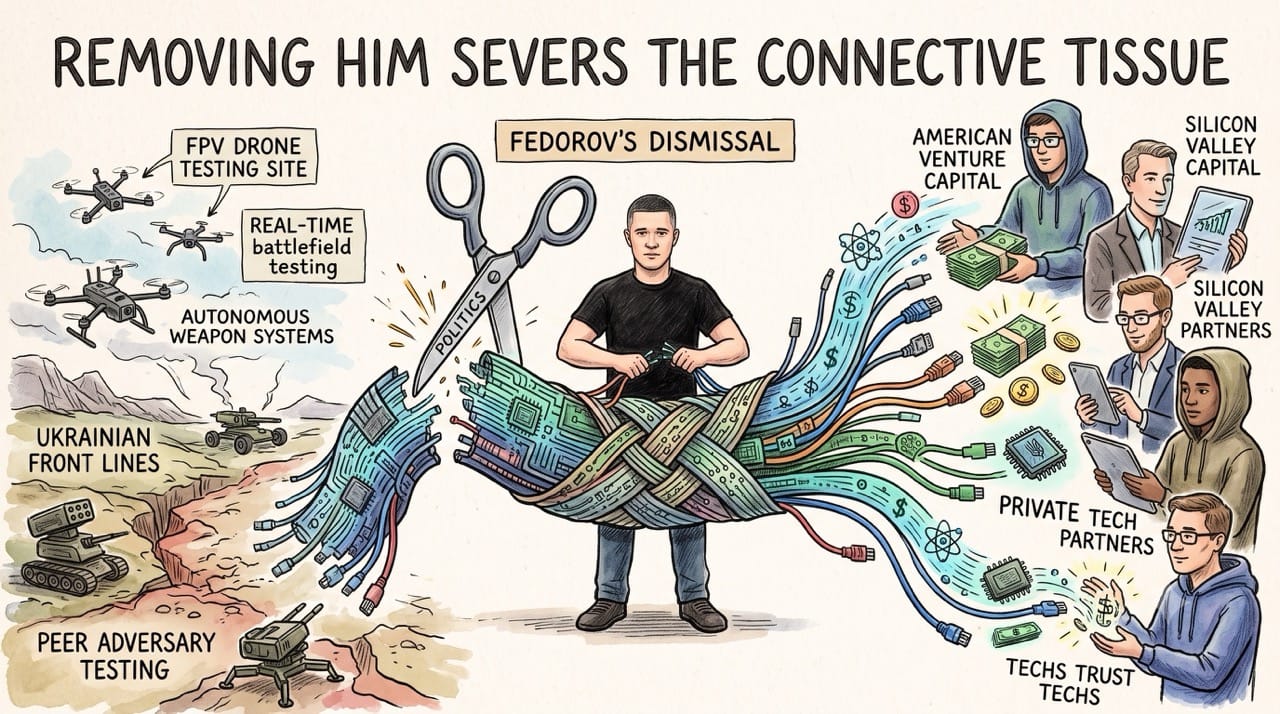
He immediately treated the battlefield like a fast paced technology startup. He opened the borders to western venture capital and defense contractors.
By actively courting figures like Elon Musk and companies like Palantir he turned the entire country into a live testing ground for the most advanced autonomous weapons and satellite networks on earth.
The American Investment
This specific openness to private technology is the exact reason the United States military industrial complex heavily supported the Ukrainian defense.
Silicon Valley poured resources into the country because Fedorov spoke their language and removed all regulatory friction.
He allowed western defense startups to test their software against peer adversaries in real time.
Removing him severs the most vital connective tissue between the Ukrainian front lines and American venture capital.
The tech industry trusts other tech operators, and they are highly skeptical of traditional politicians.
The Bureaucratic Downgrade
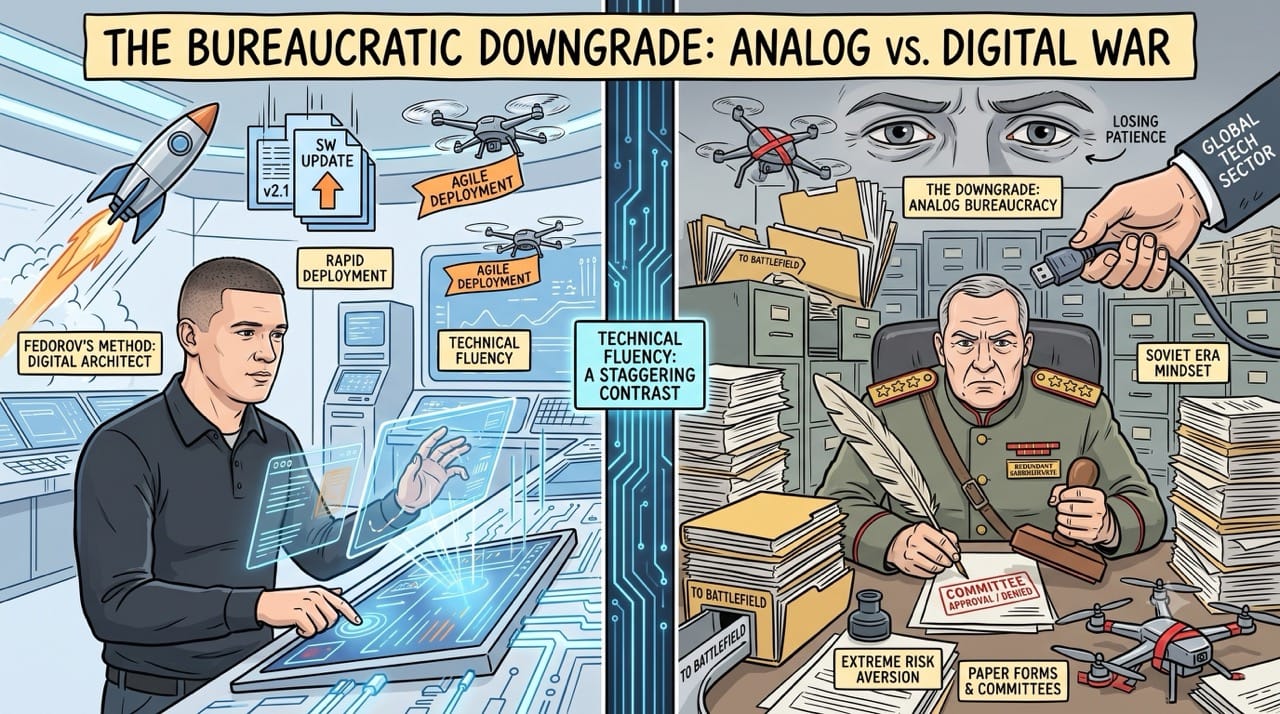
The contrast between Fedorov and the traditional political establishment replacing him is staggering.
His counterpart represents the legacy Soviet era mindset of slow analog bureaucracy and extreme risk aversion.
You cannot fight a modern drone war using paper forms and endless committee meetings.
The global technology sector will immediately lose patience with a new leadership team that does not understand how to rapidly deploy software updates to the battlefield.
This downgrade in technical fluency will inevitably slow down the deployment of critical defensive hardware.
The Presidential Runway
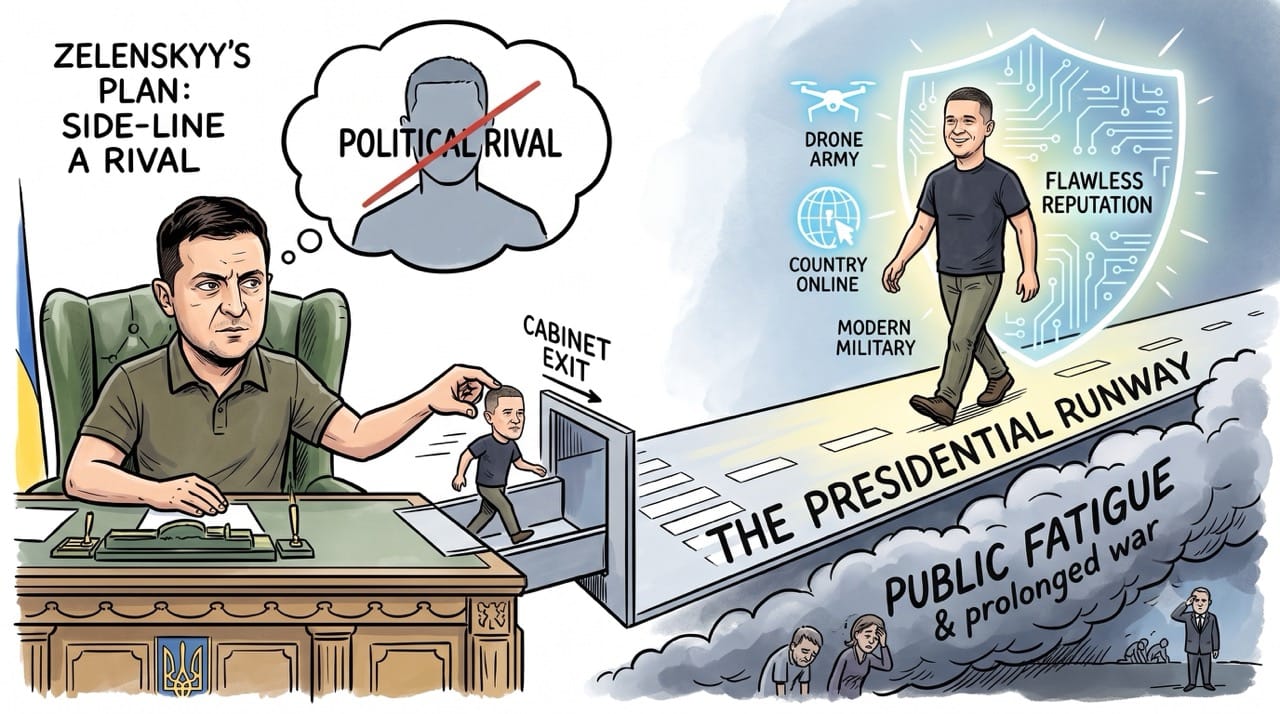
Zelenskyy likely thought firing Fedorov would neutralize a potential political rival. The mechanics of modern political marketing dictate the exact opposite outcome.
By pushing Fedorov out of the cabinet Zelenskyy completely insulated him from the inevitable public fatigue of a prolonged war.
Fedorov gets to walk away with a flawless reputation as the young innovator who modernized the military and kept the country online.
He is no longer burdened by the daily failures or heavy compromises of the current administration.
Conclusion: The Inevitable Succession
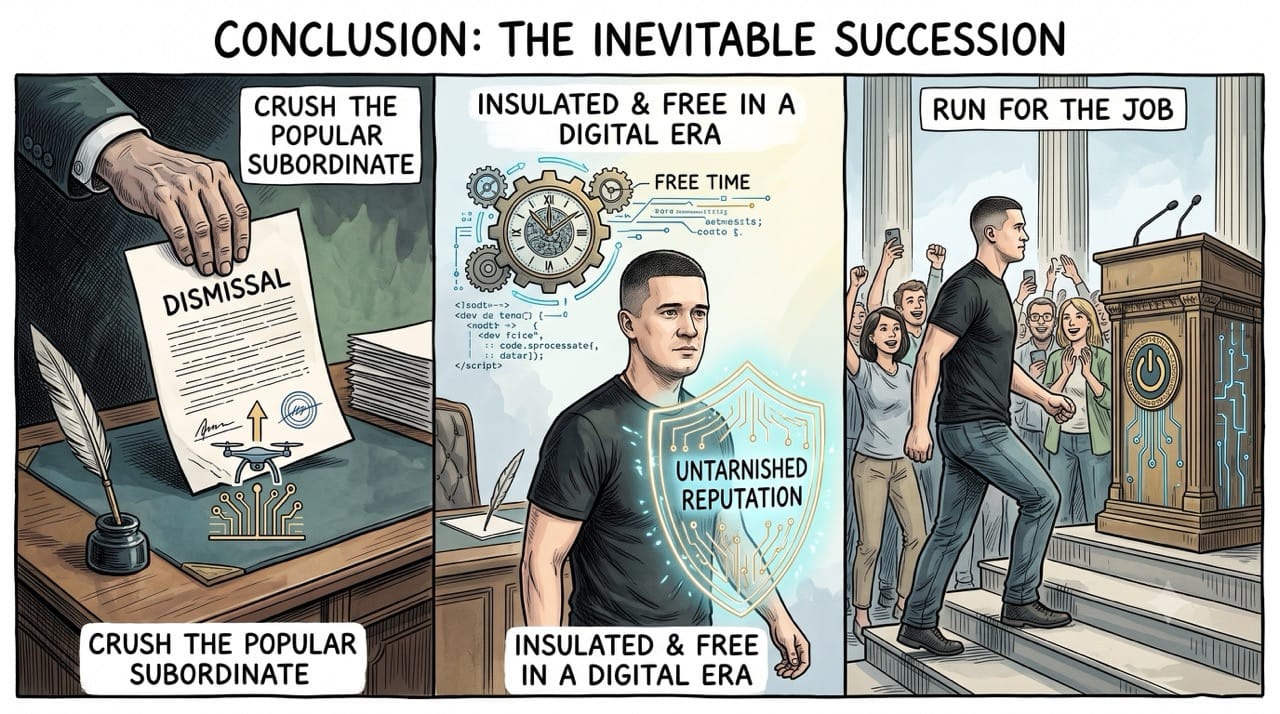
Attempting to crush a popular subordinate is the oldest trick in the political playbook.
In a highly digital era you do not eliminate a tech visionary by firing him because you simply give him the free time and the untarnished reputation required to run for your job.