Why Voice Comments Can Be the Future of Social Media
We assume text based social media is a permanent cultural fixture. As generative bots flood the comment sections the platforms that pivot to voice replies will instantly resurrect the dead internet.
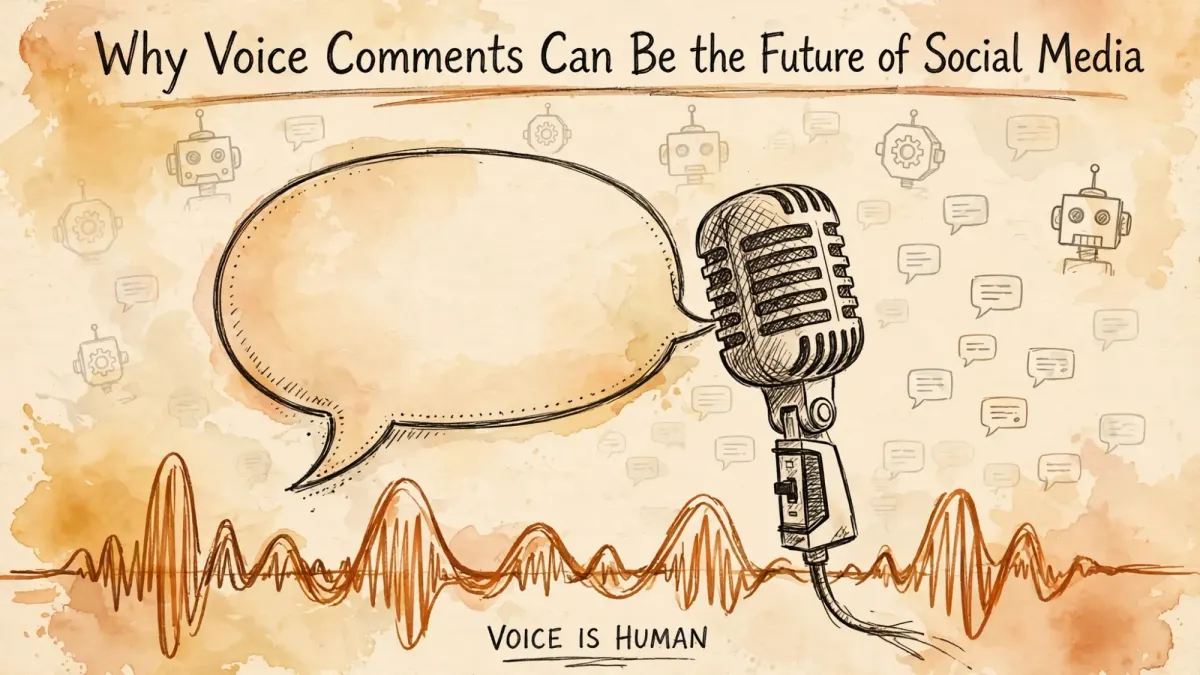
Text is cheap and easily faked by algorithms. Forcing users to speak their replies is the ultimate defense mechanism to verify humanity and restore authentic connection.
Inspiration: Observing the high engagement rates of voice notes on Threads and realizing that audio replies solve the bot crisis, the anonymity problem, and the deep synthetic fatigue plaguing text based platforms.
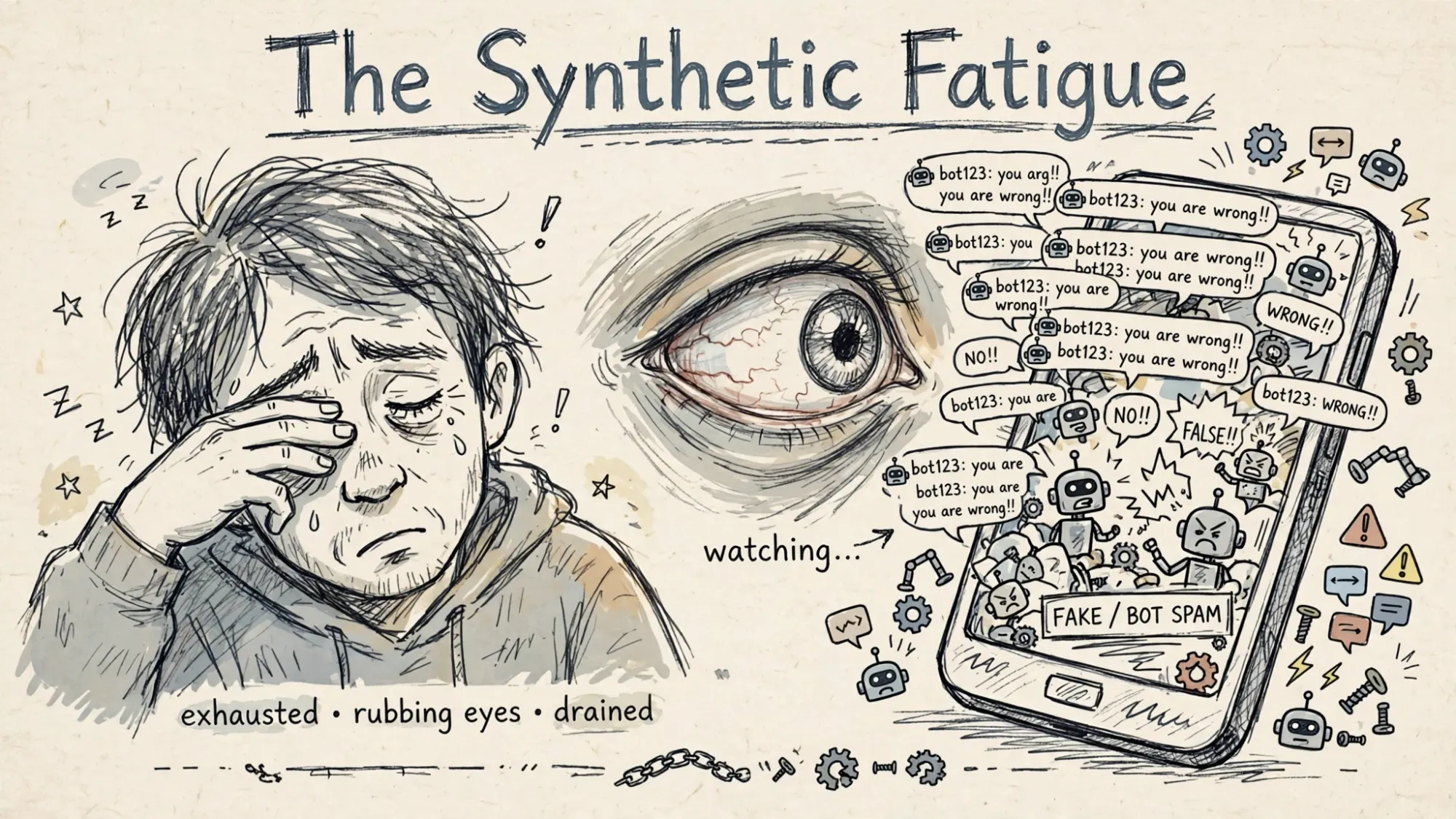
The Synthetic Fatigue
For the last decade social media platforms relied entirely on written text to drive engagement in their comment sections.
This architecture worked perfectly until generative algorithms completely erased the friction of writing a coherent sentence.
Today a huge percentage of text based traffic on platforms like X is generated by autonomous bots arguing with other bots.
Human users are experiencing severe synthetic fatigue because reading a comment section feels like sorting through algorithmic spam.
When text becomes free to generate it loses all of its social value.
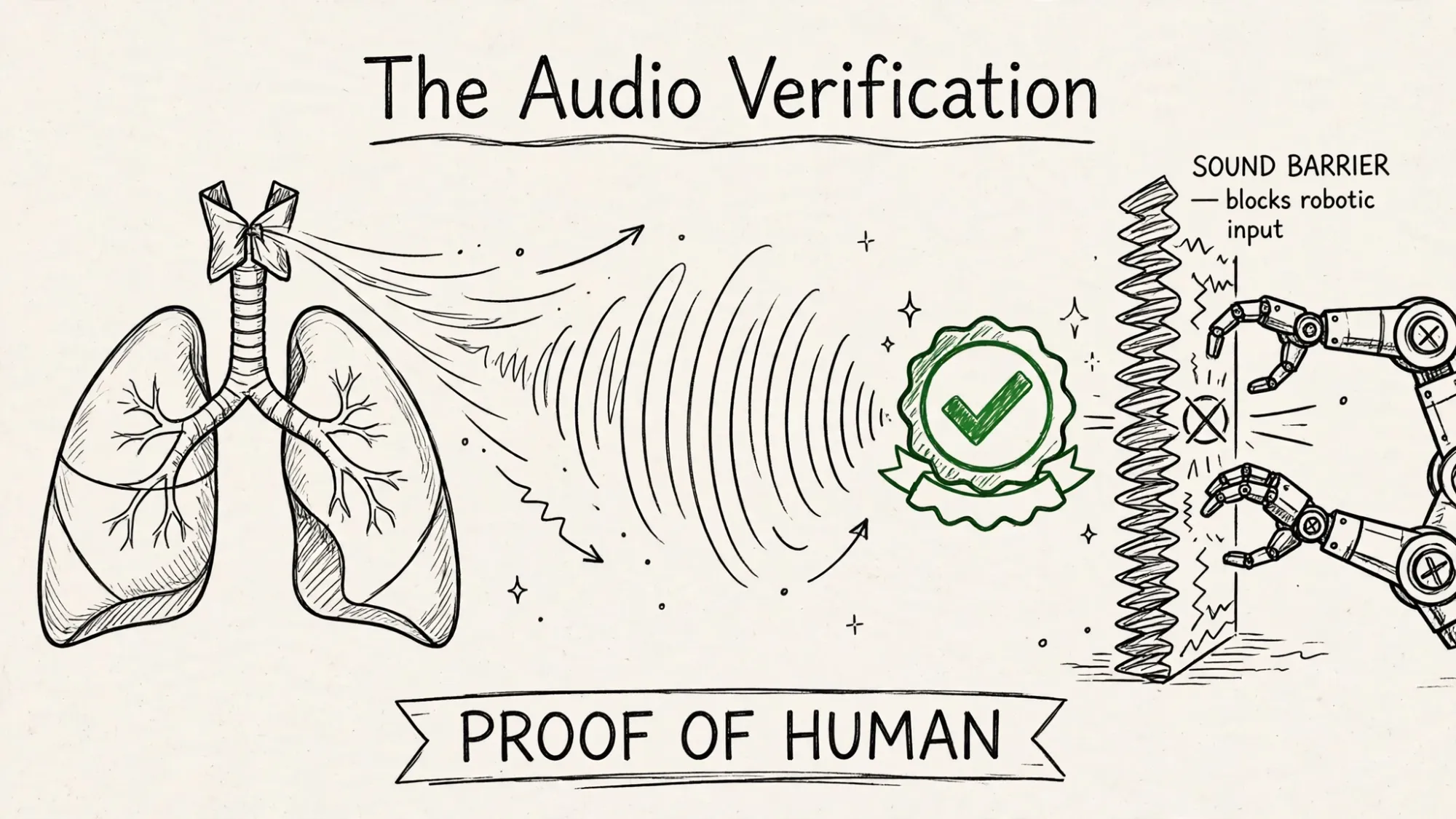
The Audio Verification
The easiest way to solve the dead internet theory is to introduce a physical biological bottleneck.
Generating millions of fake text replies costs practically nothing but synthesizing millions of unique human voices in real time requires significantly more compute and carries a distinct audio footprint.
By forcing users to drop a voice note instead of typing a comment the platform introduces an immediate proof of humanity.
It forces the user to prove they actually have functioning vocal cords and lungs before they can participate in the digital public square.
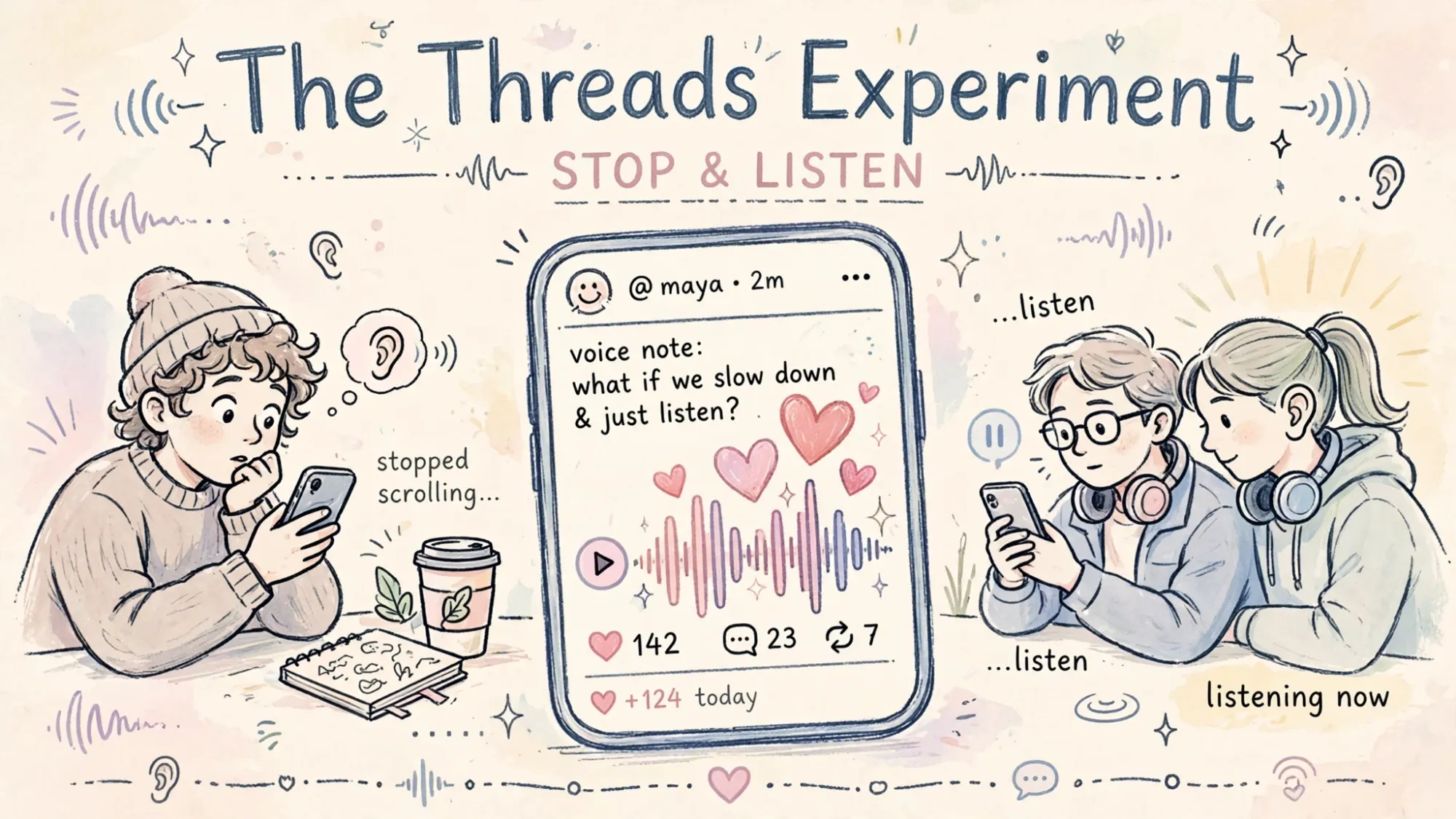
The Threads Experiment
We are already seeing the early behavioral signals of this shift on newer platforms. Meta recently introduced voice notes on Threads and early data shows these specific replies generate highly elevated engagement compared to standard text.
Users naturally stop scrolling when they hear a real human voice because the biological cadence instantly cuts through the sterile digital noise.
It proves that consumers are deeply starved for genuine human emotion and authentic reactions.
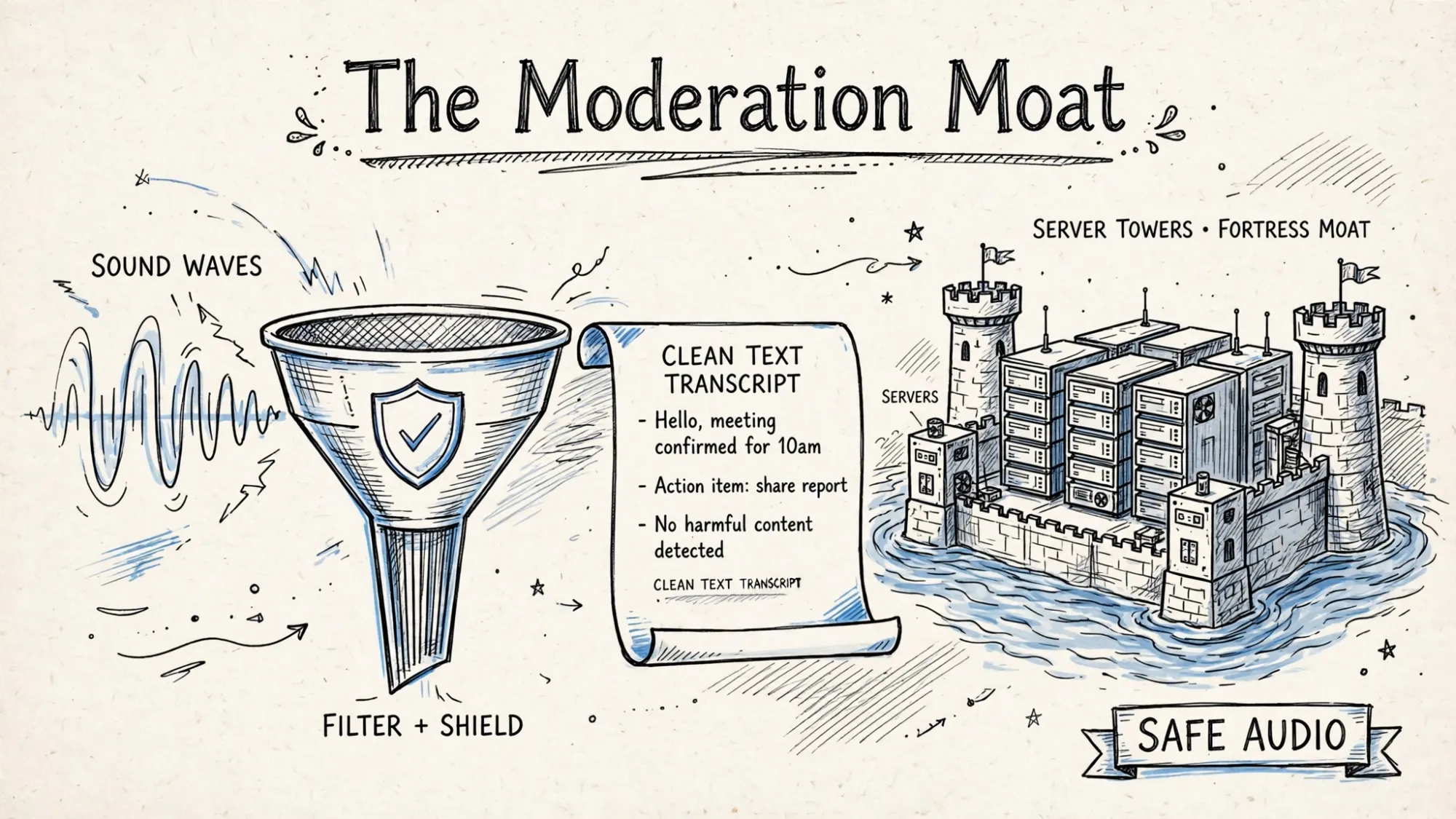
The Moderation Moat
Transitioning a global platform to voice comments sounds like a severe moderation nightmare.
Historically scanning millions of audio files for hate speech or illegal content required human reviewers which made the feature impossible to scale safely.
Today advanced transcription algorithms can instantly convert spoken audio into text for flawless automated moderation.
A company like Meta possesses the exact scale and sophisticated server infrastructure required to safely moderate an audio first comment section.
They are the only company brave enough and technologically equipped to execute this pivot and completely disrupt their legacy competitors.
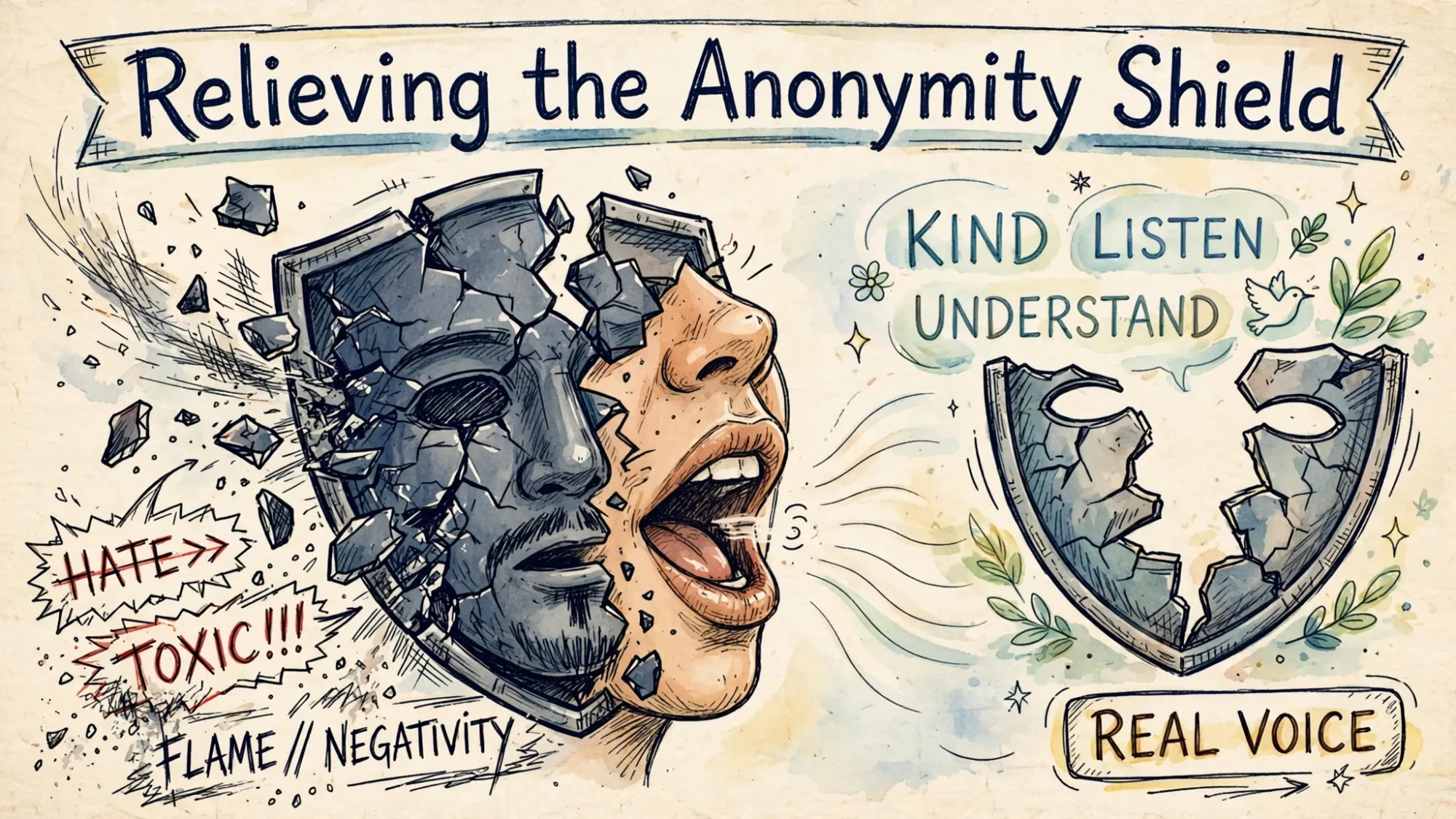
Relieving the Anonymity Shield
Text based comments allow users to hide behind anonymous cartoon avatars and hurl toxic insults with zero social consequences.
Voice fundamentally strips away this protective shield of total anonymity and introduces natural friction back into the ecosystem.
- Vocal Identity: When you hear the actual tone and pitch of a speaker it instantly humanizes them and naturally deescalates toxic internet behavior.
- Age Estimation: Voice notes provide an organic layer of security regarding the ongoing age verification debate. An algorithm can easily flag a comment if the vocal pitch clearly belongs to a minor engaging in restricted adult spaces.
- Social Accountability: People are far less likely to leave a hateful comment when their own recognizable voice is permanently attached to the digital record.
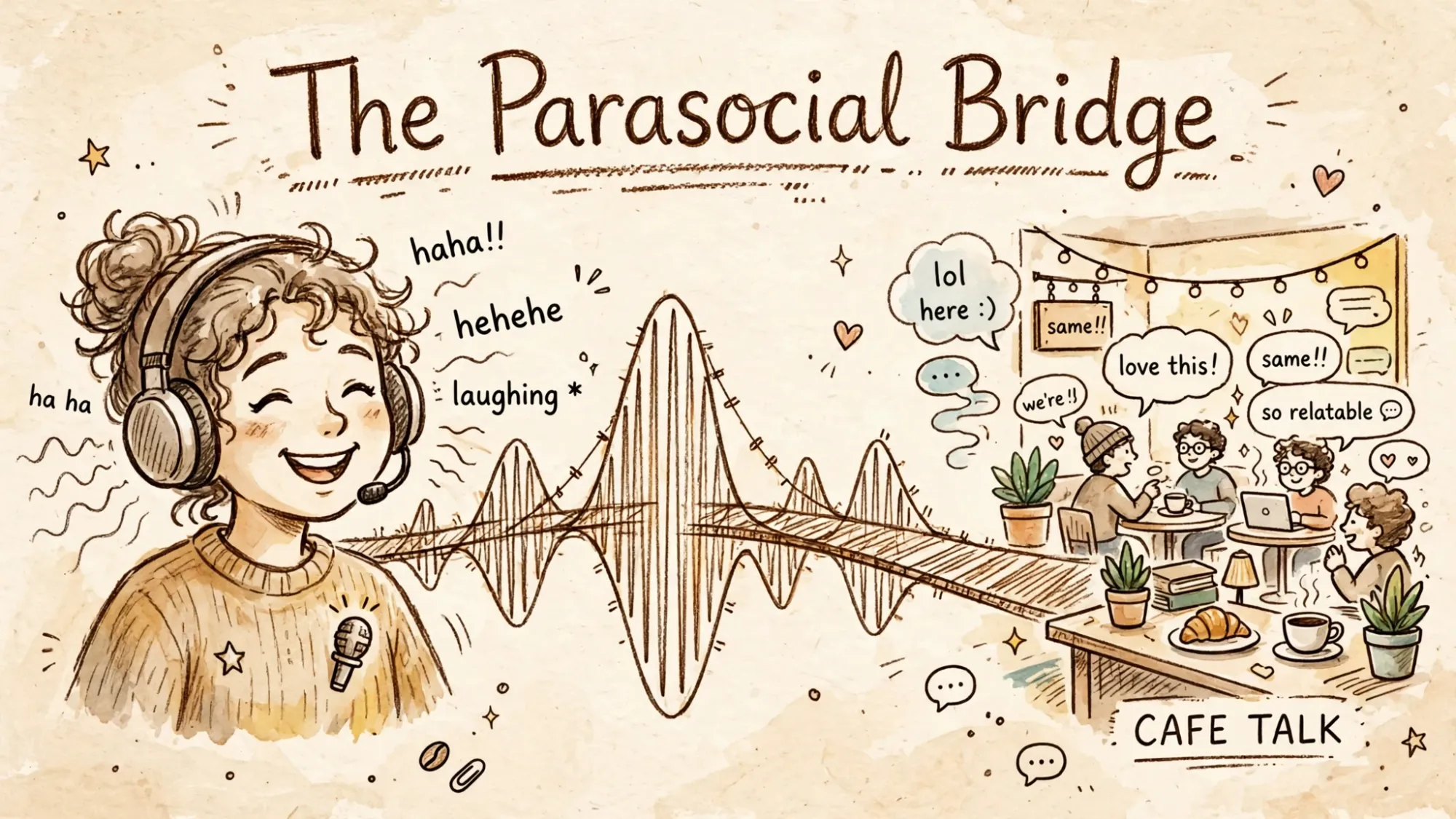
The Parasocial Bridge
The ultimate value of voice replies is how they deepen the parasocial relationship between the creator and the consumer.
A podcast host or video creator can actually hear the laughter and direct feedback of their audience rather than just reading a sterile text box.
It also transforms the comment section from a silent reading room into a dynamic digital cafe where fans actively converse with each other out loud.
This level of intimate community building is exactly what keeps users permanently locked inside a specific digital ecosystem.
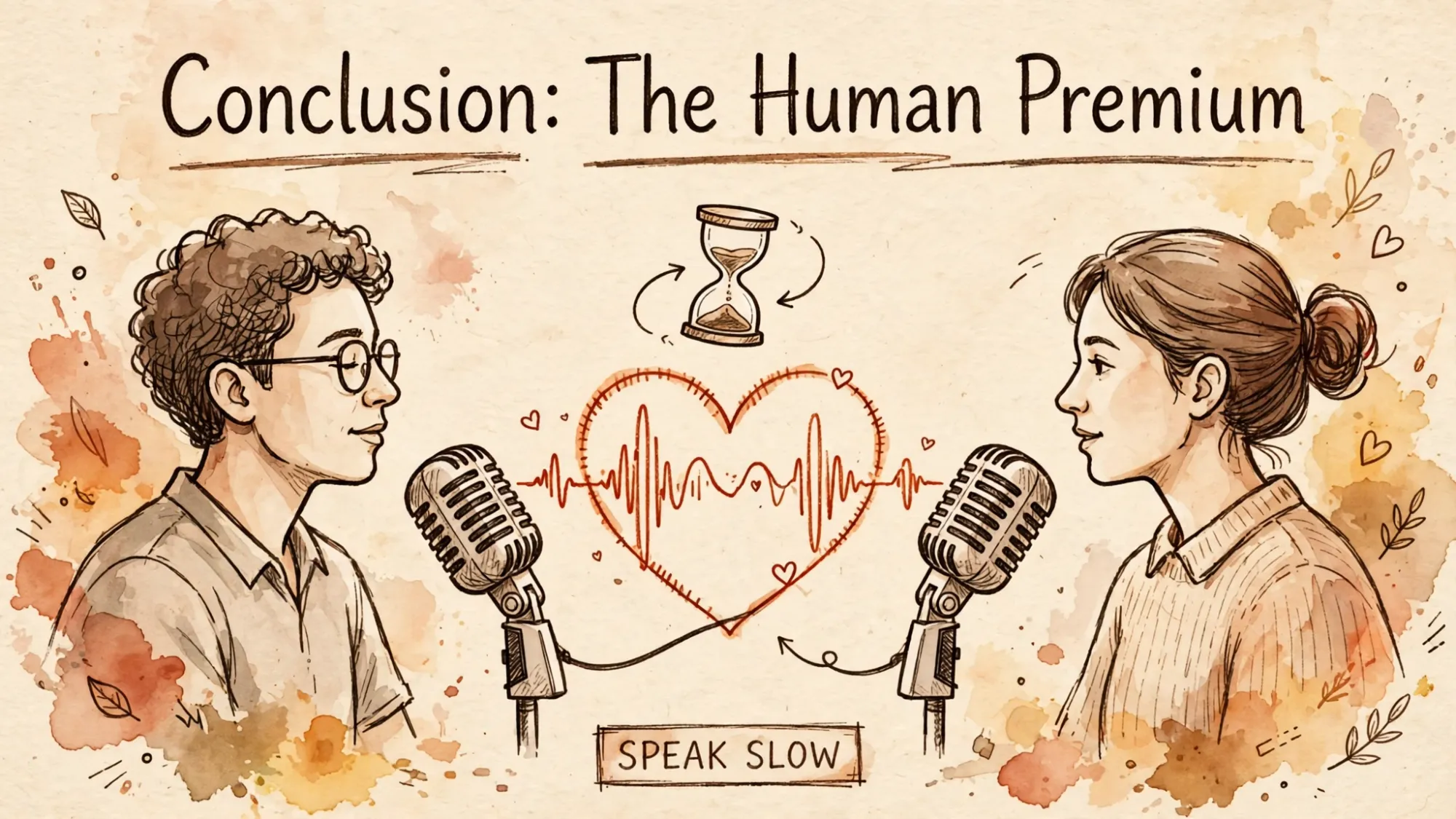
Conclusion: The Human Premium
We spent years optimizing our platforms for the fastest possible text engagement.
The social networks that survive the upcoming synthetic wave will simply be the ones that force us to slow down and actually speak to one another.