Why Retail AI Might Skyrocket Incarceration
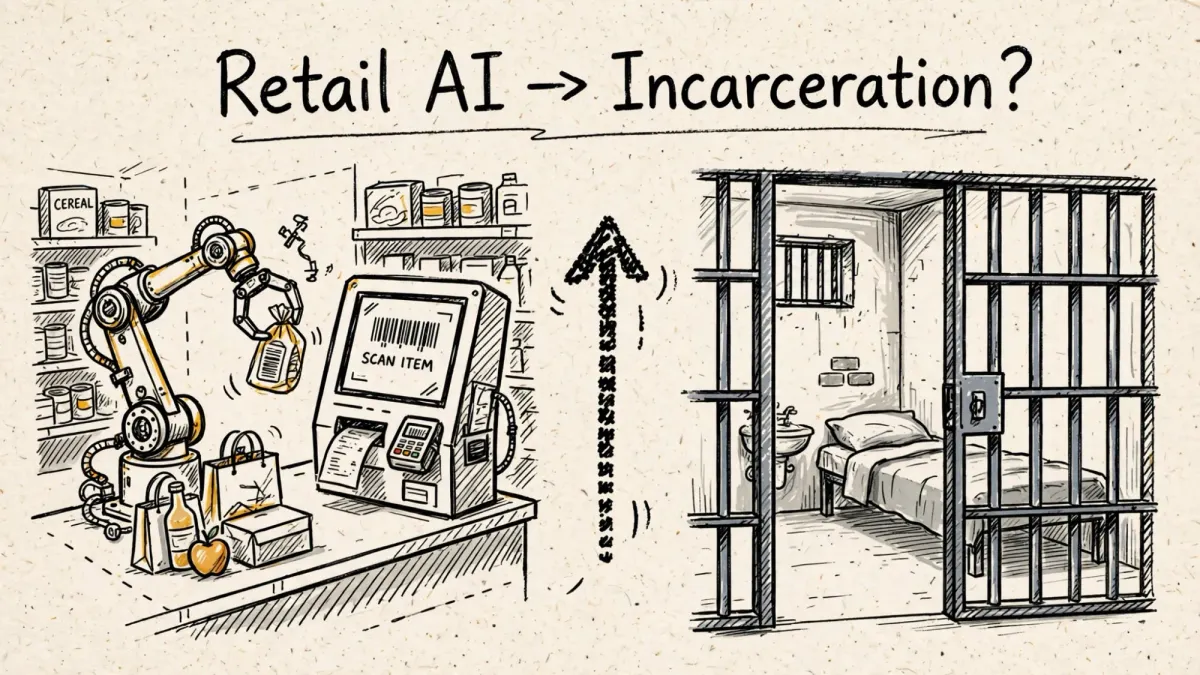
We assume corporate automation only impacts the unemployment rate. In reality, replacing front line retail workers with algorithms directly accelerates local crime rates by destroying the only viable economic bridge out of poverty.
Disclaimer: I am a techno-optimist and wholeheartedly support the productivity boosts we will gain from automation. However, we are not doing enough to prepare for the short-term displacements that many people are facing.
YouTube documentaries are currently exposing a culture that normalizes crime due to a lack of economic alternatives. When Amazon and Walmart fully automate entry level labor this societal friction will explode.
Inspiration: Analyzing the documentary style of YouTube creator Tommy G, who frequently explores impoverished and high crime neighborhoods. Realizing that the normalization of crime in these areas is deeply tied to a lack of job prospects, a crisis that will accelerate violently as retail giants automate front line work.
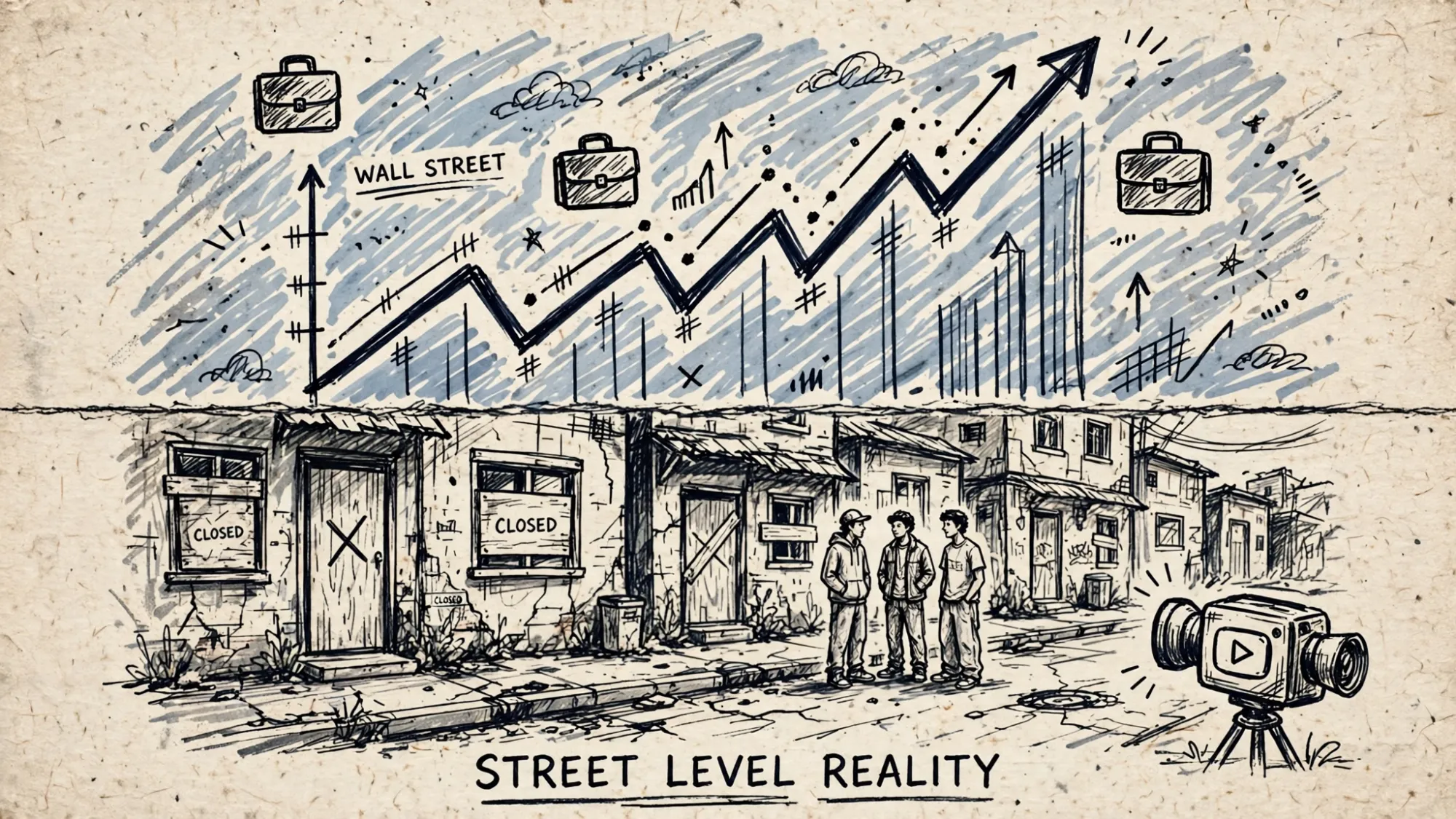
The Street Level Reality
If you want to understand the true health of the domestic economy you cannot just look at the stock market.
You have to look at the ground reality documented by independent journalists and YouTube creators like Tommy G.
His channel frequently highlights impoverished neighborhoods where extreme crime and gang violence are completely normalized due to a catastrophic lack of basic economic opportunity.
When young men realize they have zero viable job prospects the underground economy naturally becomes their only rational path to survival.
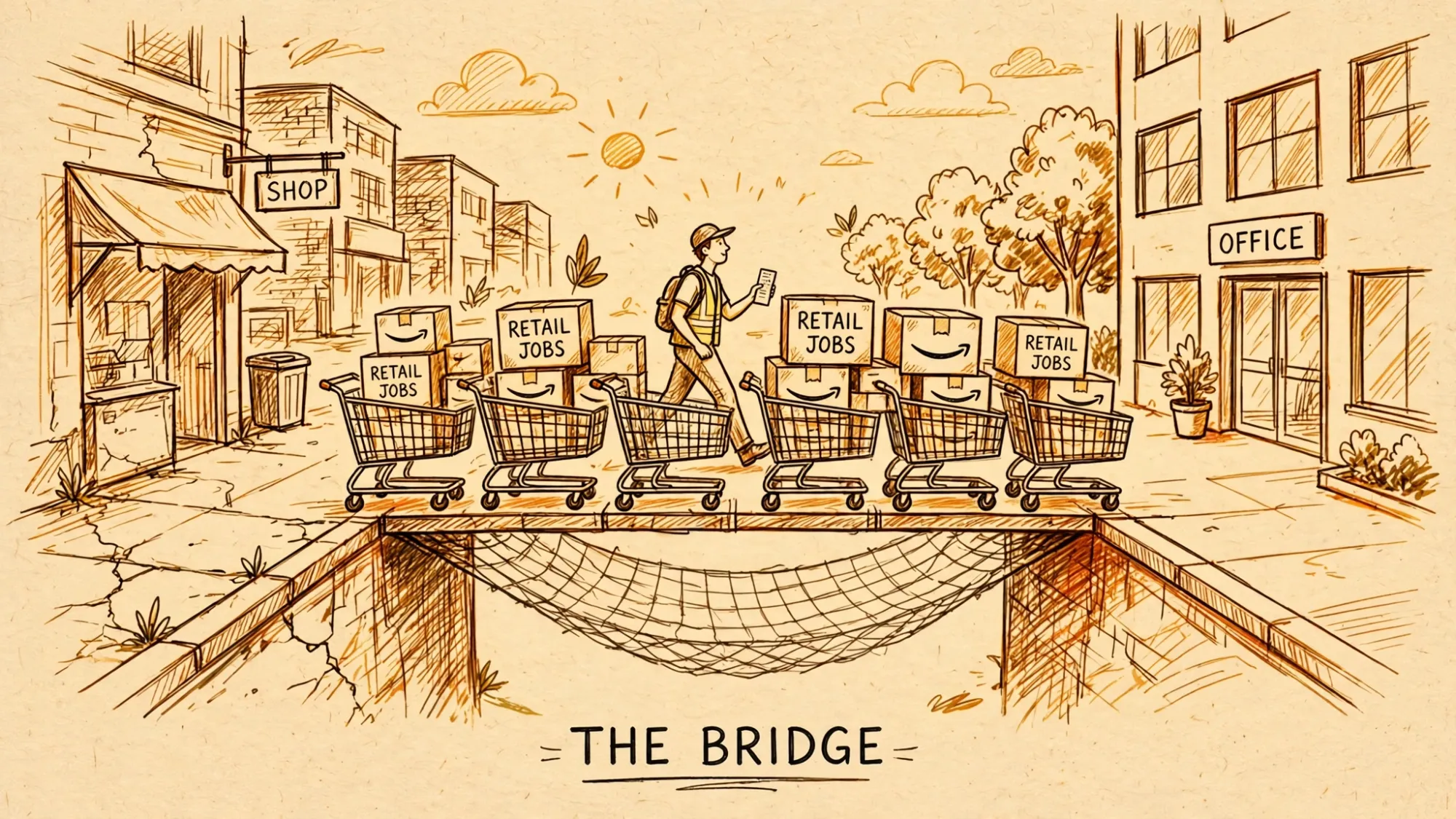
The Traditional Bridge
Historically the corporate retail sector acted as the ultimate economic safety net for these exact demographics.
A high school dropout or someone with a minor criminal record could usually find a reliable position stocking shelves at Walmart or packing boxes at an Amazon fulfillment center.
These jobs are rarely glamorous but they serve as a critical bridge into the formal economy.
They teach basic workplace compliance, provide a baseline income, and keep vulnerable populations off the street during their most volatile years.
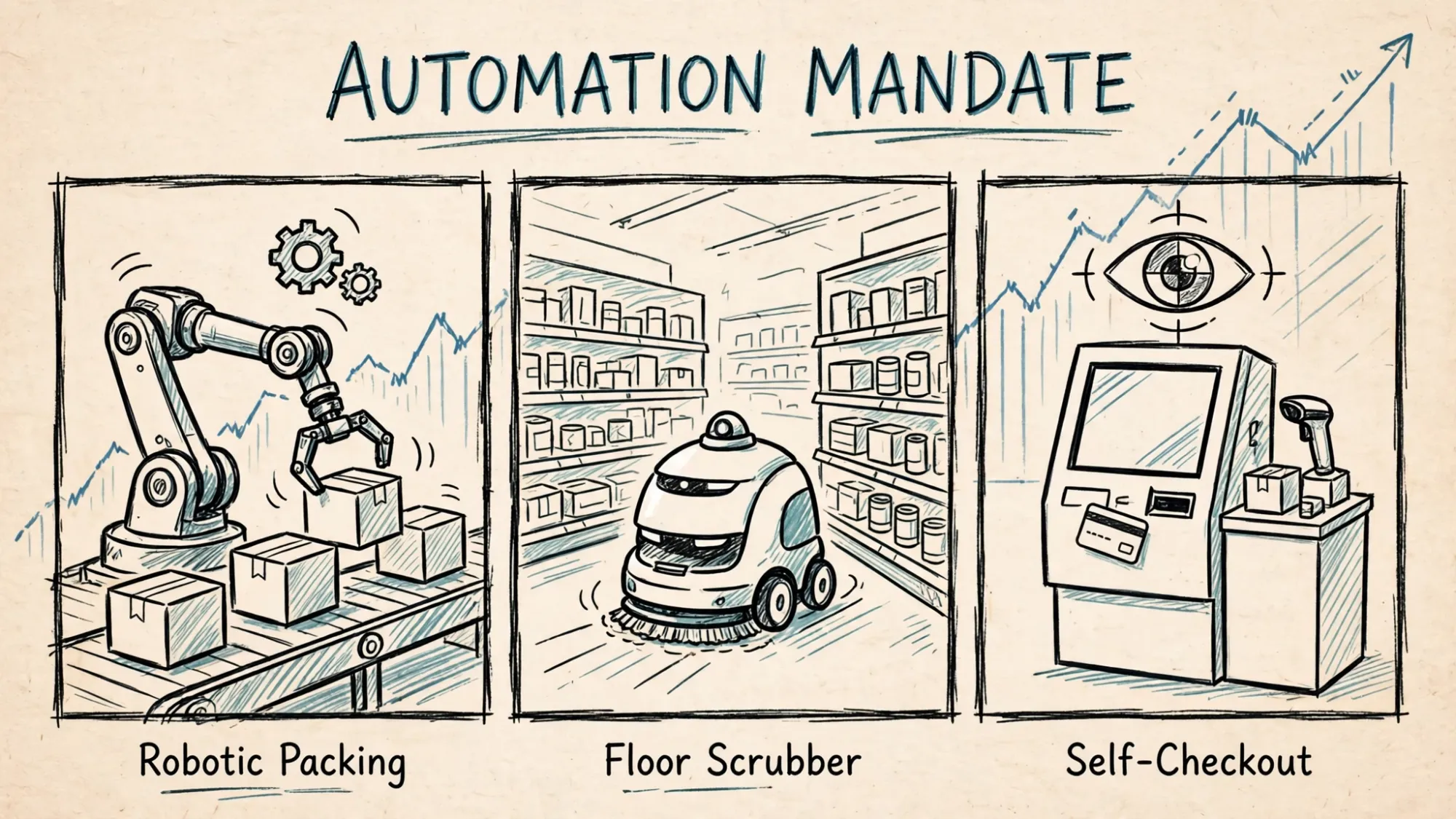
The Automation Mandate
This vital economic bridge is currently being dismantled at an unprecedented speed to protect corporate profit margins.
Major retailers are aggressively pivoting away from human labor and deploying advanced robotics to manage their physical footprints.
- Warehouse Logistics: Amazon is replacing human packers with specialized robotic arms that operate continuously without demanding healthcare benefits or overtime pay.
- Retail Maintenance: Grocery monopolies are utilizing autonomous floor scrubbers and automated inventory scanners to drastically reduce their hourly store payroll.
- The Checkout Bottleneck: The traditional cashier role is actively being phased out in favor of computer vision tracking and customer operated kiosks.
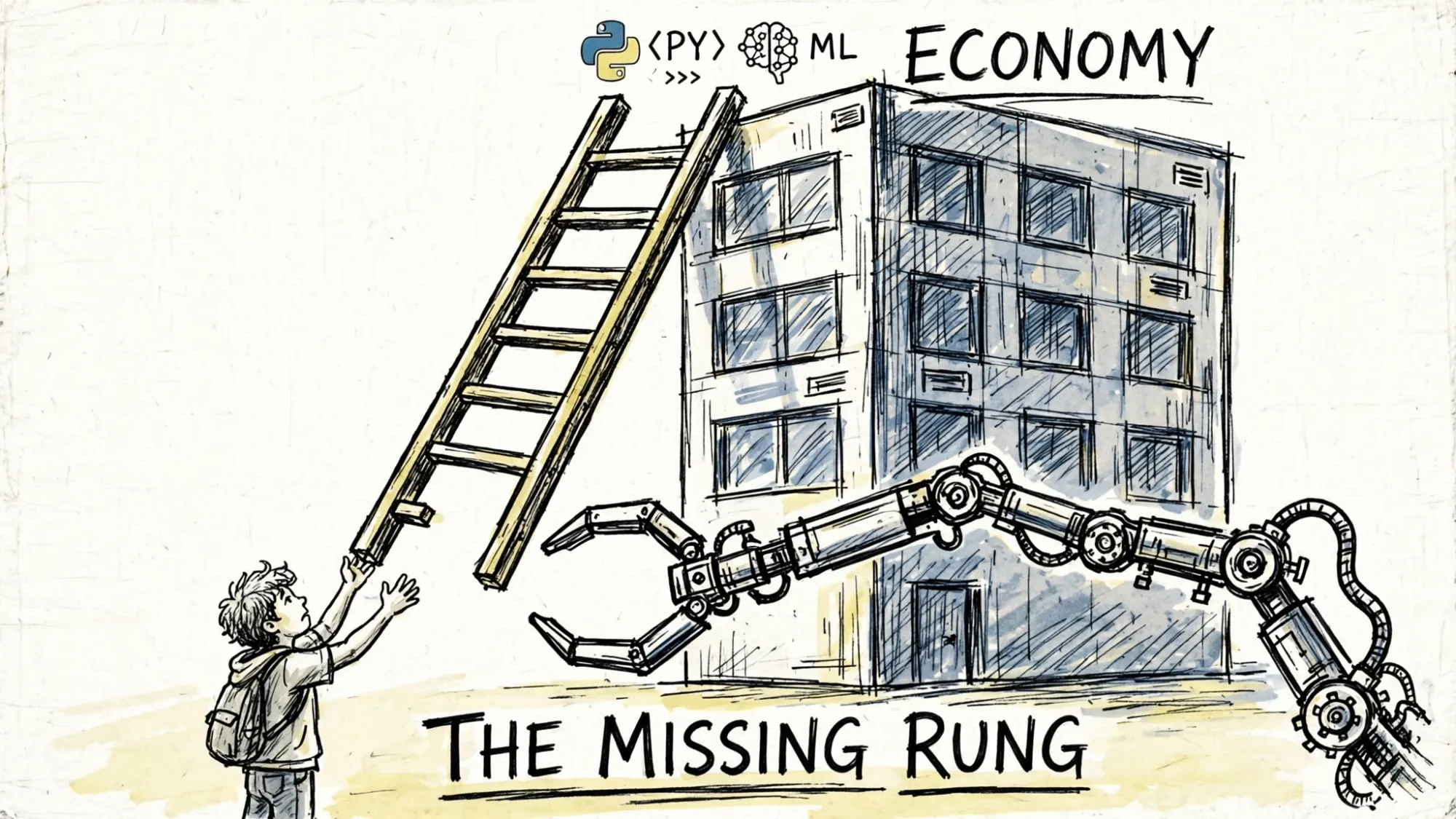
The Missing Rung
When you automate an entry level retail position you do not just eliminate a single job.
You completely remove the bottom rung of the economic ladder for an entire generation.
The people who historically filled these roles are not going to magically transition into managing machine learning pipelines or writing Python code.
They are simply going to be permanently locked out of the corporate labor market with no alternative path for upward mobility.
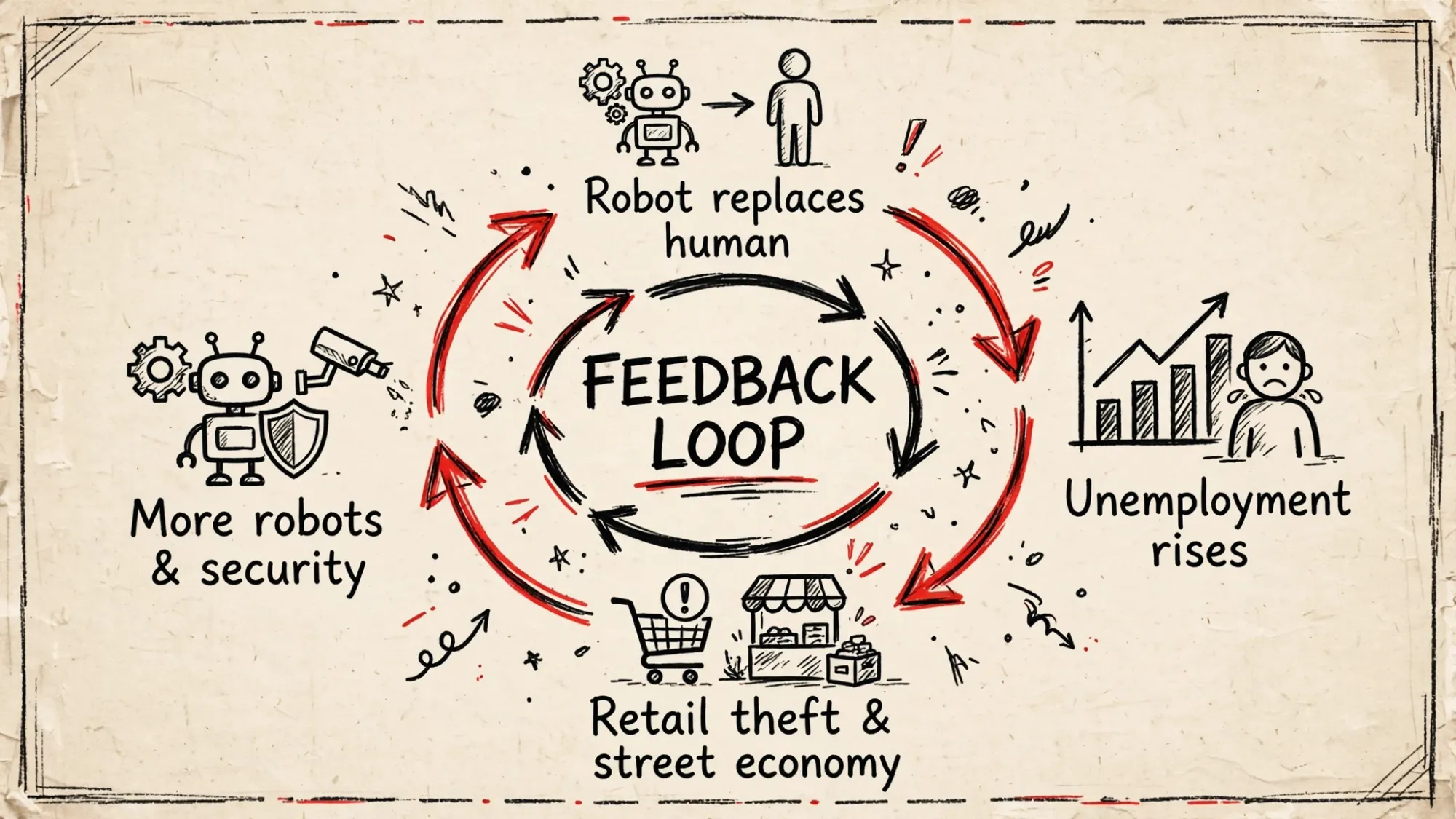
The Feedback Loop
As these basic retail positions evaporate the localized unemployment rate in vulnerable neighborhoods will inevitably spike.
Without access to legitimate wages the financial incentive to participate in organized retail theft and local drug markets increases exponentially.
We will see a direct and highly predictable correlation between the deployment of physical retail robotics and a sudden surge in urban crime.
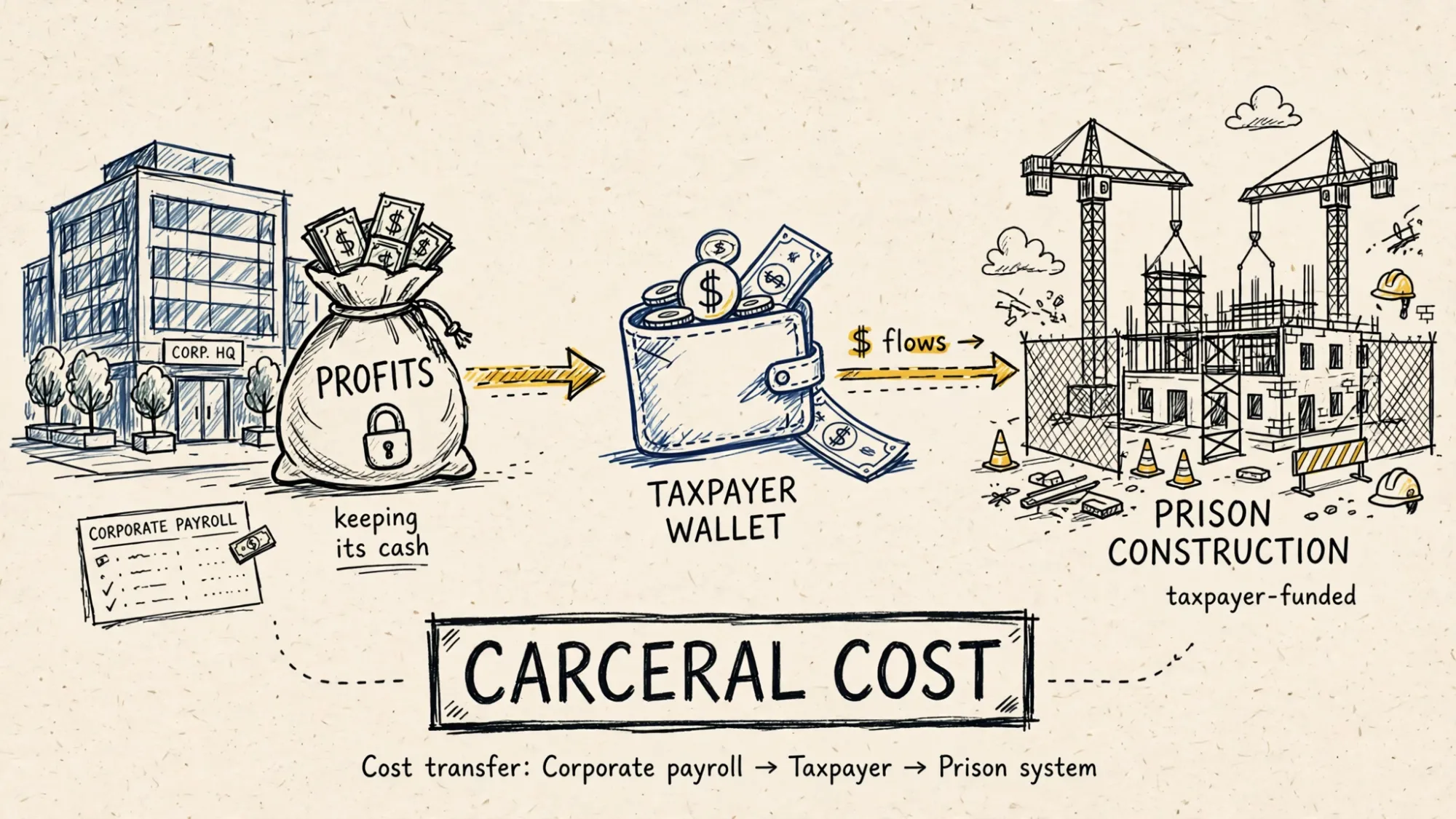
The Carceral Cost
The financial burden of this automation shift does not simply disappear from the broader economy.
It transfers directly from the corporate payroll to the taxpayer via the carceral system.
Corporations will successfully protect their quarterly earnings while the government is forced to spend billions expanding local jail capacity to house a population that can no longer find work.
We are essentially subsidizing corporate efficiency through the prison industrial complex.
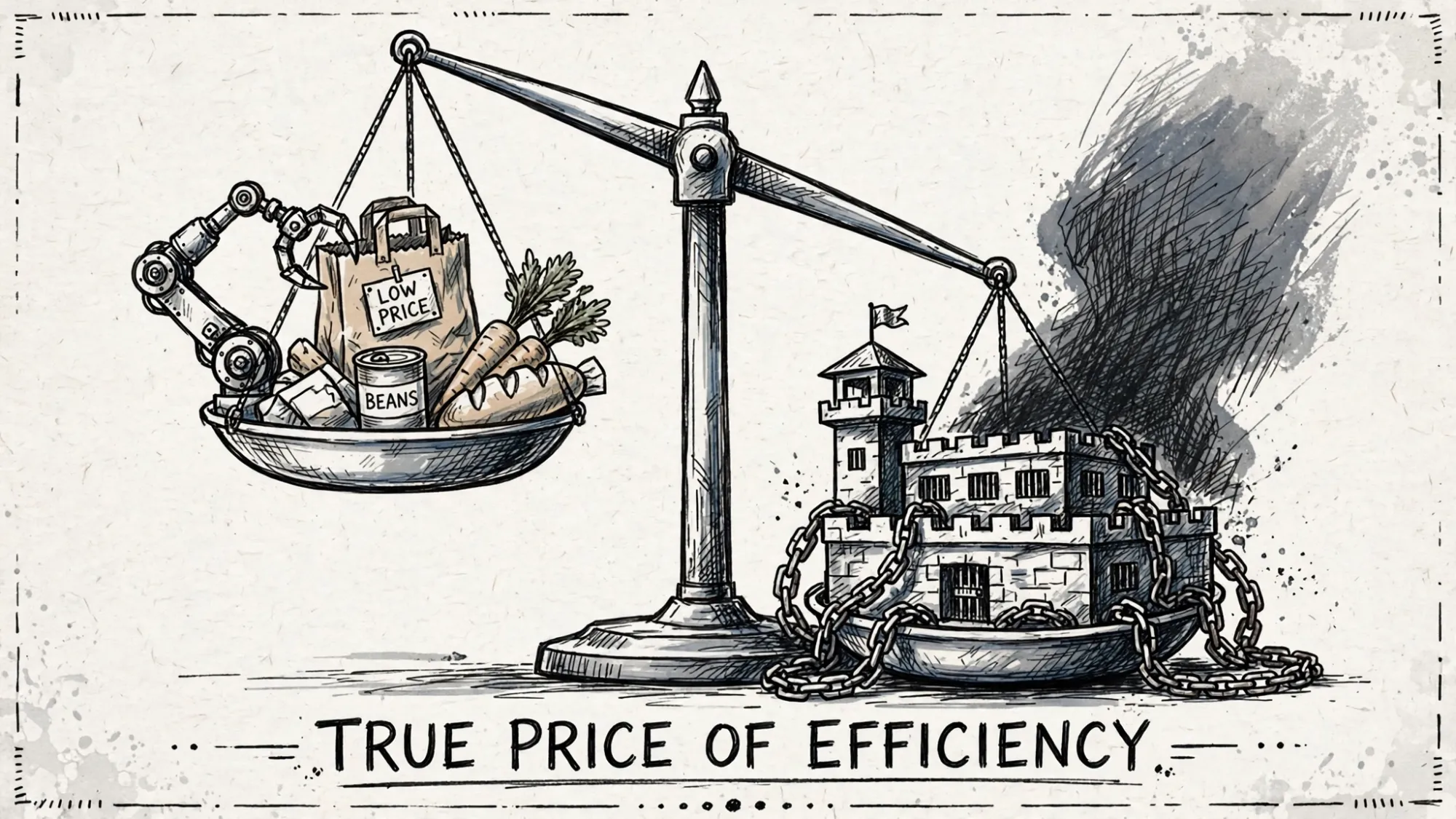
Conclusion: The True Price of Efficiency
We celebrate the deployment of retail robotics because it drives supply chain efficiency and lowers the cost of consumer goods.
We completely ignore the catastrophic social tax we will pay when millions of people realize the legal economy no longer has a place for them.