Why Joint Embedding Predictive Architecture (JEPA) Will Burst the AI Bubble
We assume the future of artificial intelligence requires building massive nuclear-powered data centers and millions of expensive silicon chips. A new algorithmic architecture is quietly emerging that processes information so efficiently that it will completely collapse the current AI bubble.
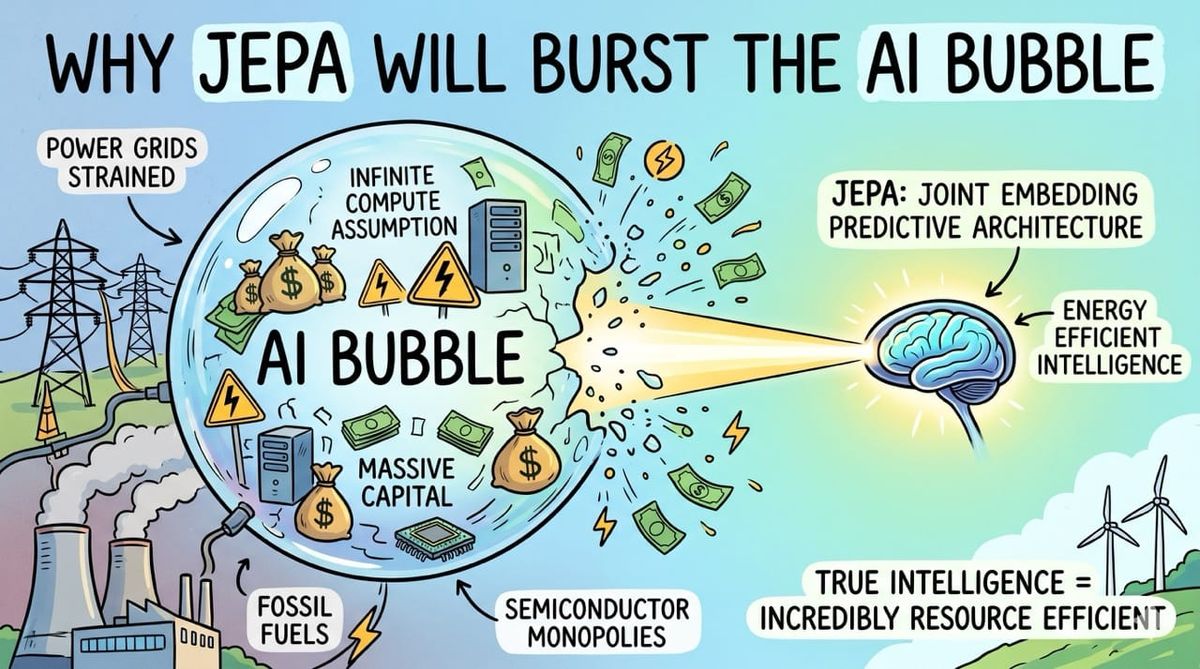
The entire financial market currently assumes algorithmic intelligence requires infinite computational power and boundless electricity. A brilliant new predictive architecture is about to prove that true intelligence is actually incredibly energy efficient.
Inspiration: Analyzing the massive capital flowing into global semiconductor monopolies and the physical constraints of our electrical grids. Realizing that the upcoming shift toward Joint Embedding Predictive Architecture will completely destroy the foundational thesis of the current hardware boom.
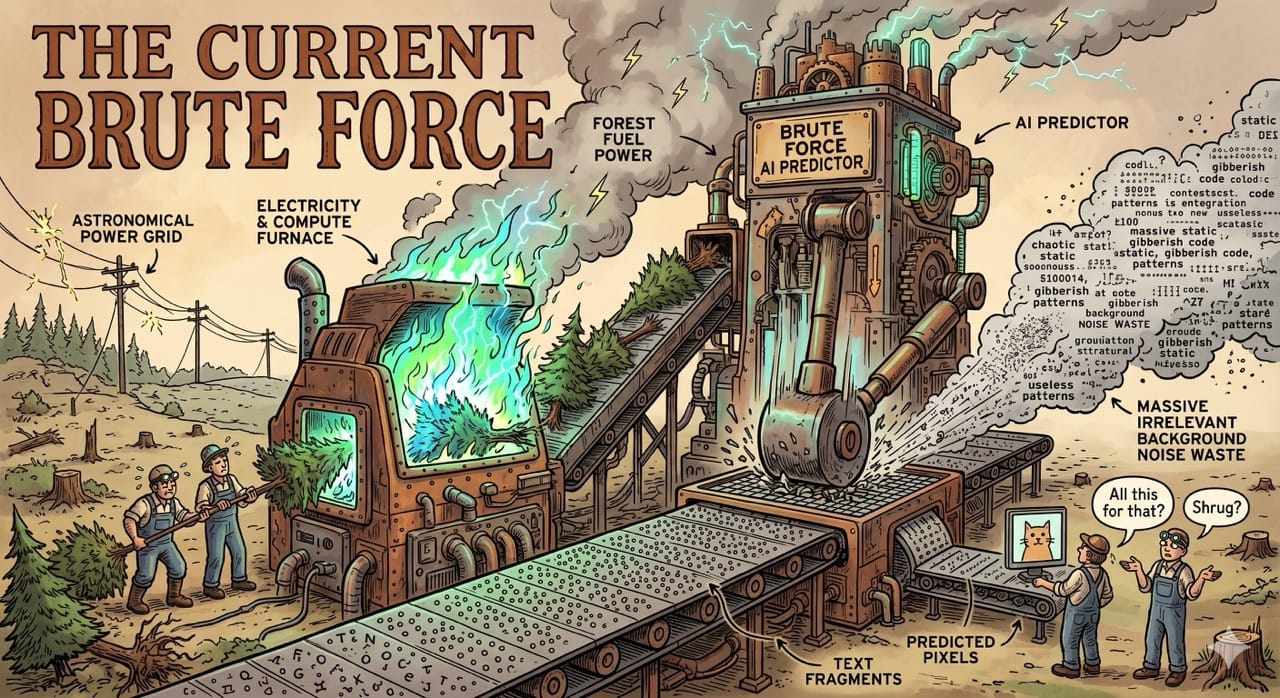
The Current Brute Force
Modern generative algorithms operate by aggressively predicting every single pixel or tiny fragment of text in a sequence.
This brute force methodology requires absolutely astronomical amounts of raw computational processing power just to generate a basic image or paragraph.
We are essentially burning entire forests of electricity simply to calculate completely irrelevant background noise.
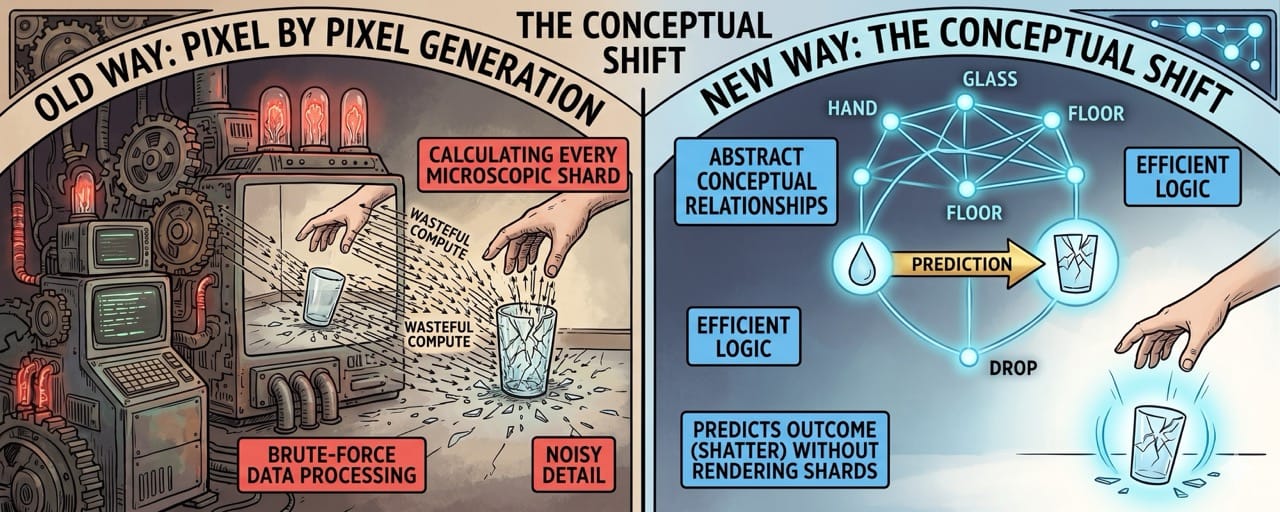
The Conceptual Shift
The new predictive architecture completely abandons this incredibly wasteful pixel by pixel generation process. Instead of calculating every tiny detail the algorithm simply predicts the abstract conceptual relationship between different objects.
If you drop a glass on the floor the system understands it will shatter without needing to render every single microscopic shard of glass.
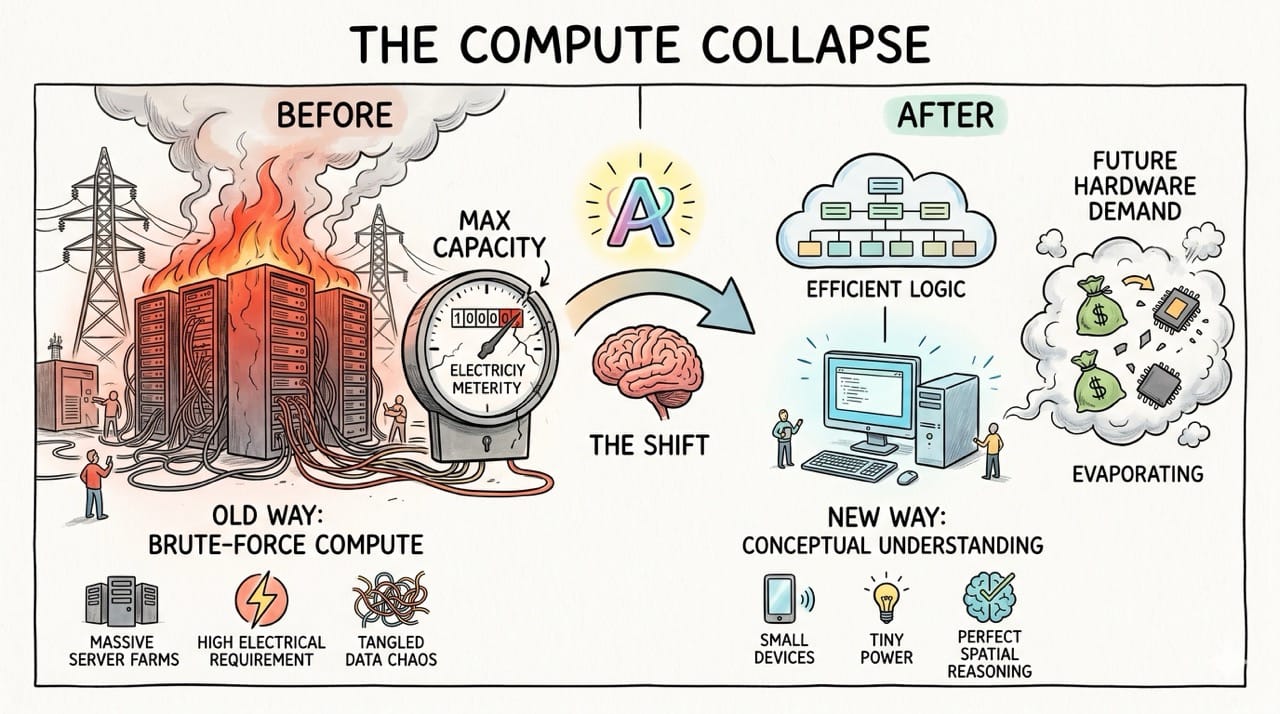
The Compute Collapse
This shift toward abstract conceptual understanding completely eliminates the need for massive server farms running at maximum capacity.
The new models can achieve vastly superior spatial reasoning while utilizing a tiny fraction of the traditional electrical requirement.
When the software becomes this incredibly efficient the projected future demand for expensive proprietary hardware instantly evaporates.
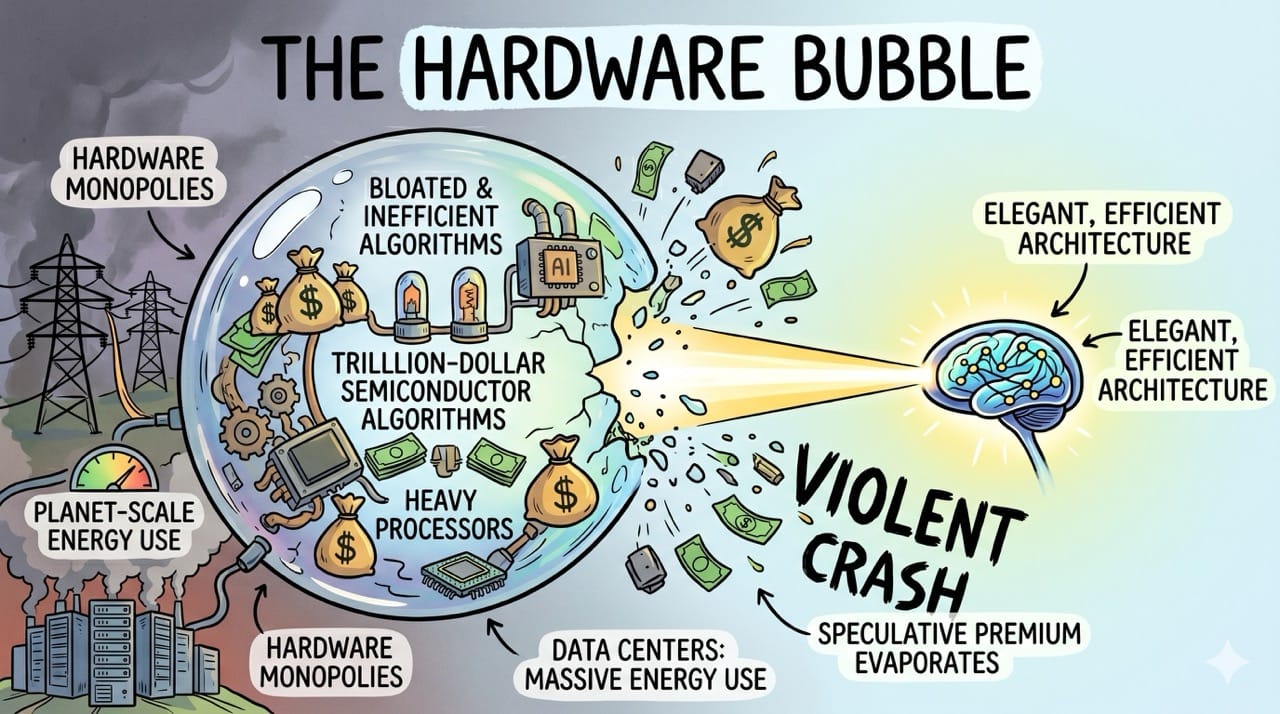
The Hardware Bubble
The entire trillion dollar semiconductor market currently relies on the assumption that algorithms will always remain incredibly bloated and inefficient.
Investors are pricing these hardware monopolies as if global data centers will eventually consume the entire energy output of the planet.
When this new elegant architecture becomes the global standard that speculative hardware premium will violently crash.
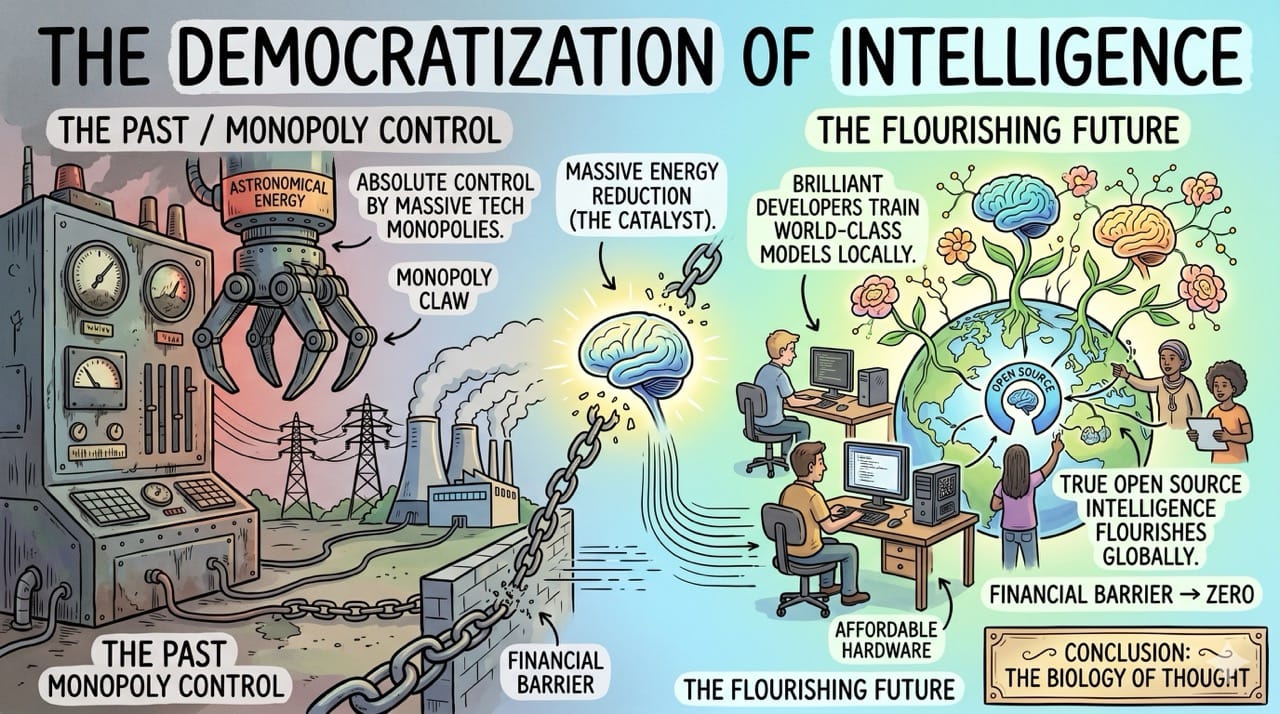
The Democratization of Intelligence
This massive reduction in energy requirements will finally liberate advanced artificial intelligence from the absolute control of massive technology monopolies.
Brilliant developers will soon train world class predictive models locally using relatively affordable commercial hardware.
True open source intelligence will flourish globally because the financial barrier to entry will drop to nearly zero.
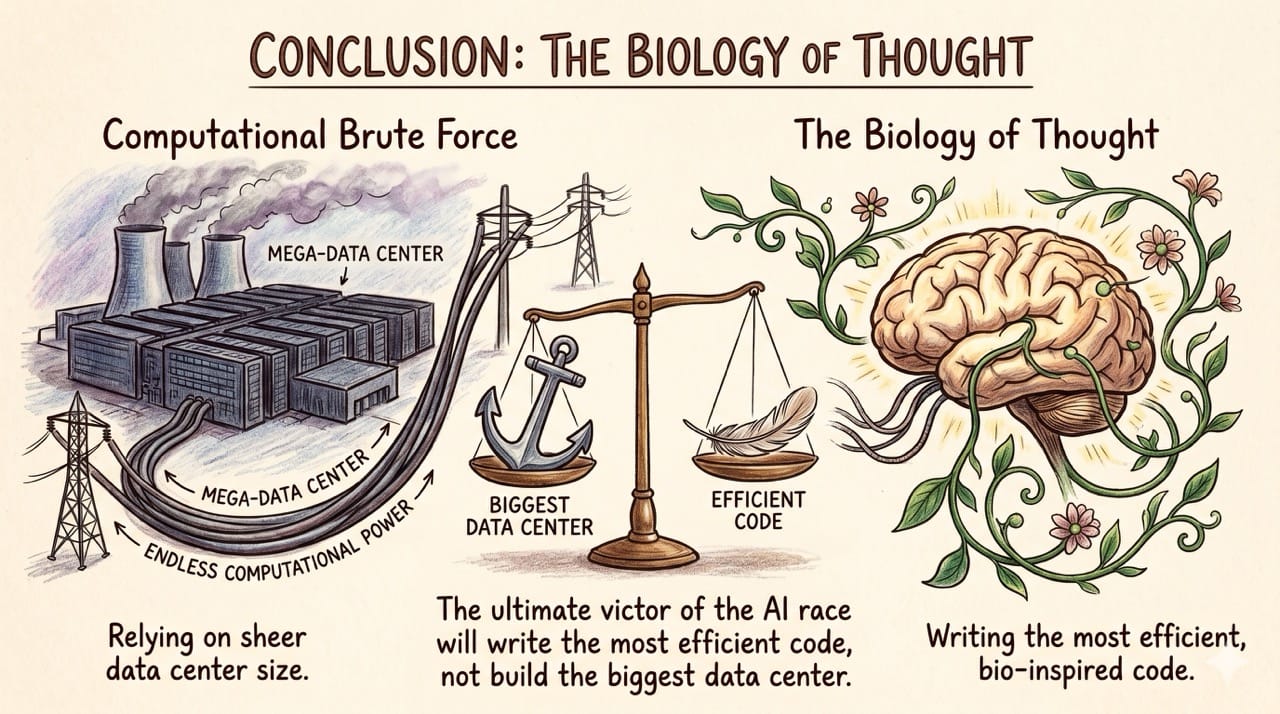
Conclusion The Biology of Thought
The human brain operates on a remarkably tiny amount of electrical calories while flawlessly navigating a chaotic physical world.
We are finally teaching our digital algorithms to mimic this exact same biological elegance rather than relying on endless computational brute force.
The ultimate victor of the artificial intelligence race will not build the biggest data center but rather write the most efficient code.

Time will tell, but the credit will go to the legend, Yann LeCun.