Why Giving Books Is the Ultimate Social Signal
We assume gifting a physical book is an outdated tradition in the modern digital era. The smartest operators realize it is actually the highest signal method of transferring a mental operating system to someone you deeply respect.
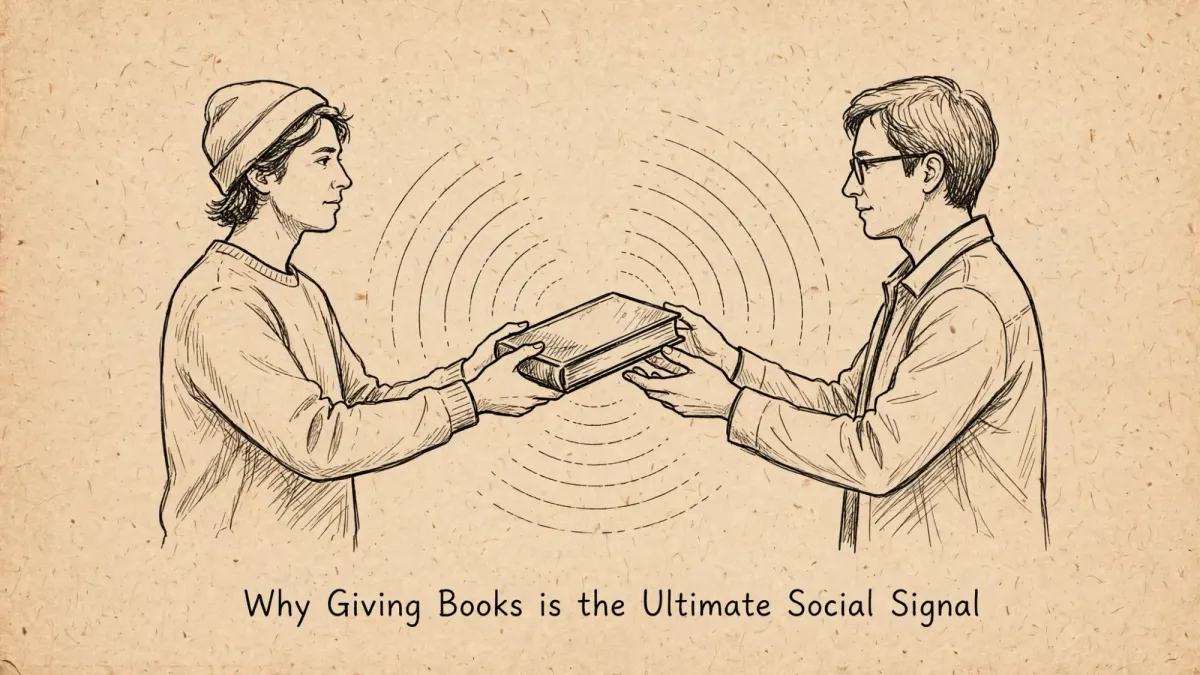
In an era of frictionless digital sharing, handing someone a physical book is the most profound asymmetric bet you can make on their intellectual trajectory.
Inspiration: Analyzing Naval Ravikant's metric for evaluating literature based entirely on how many copies he gives away. Realizing that people who habitually gift books are quietly acting as the intellectual architects of their social circles.
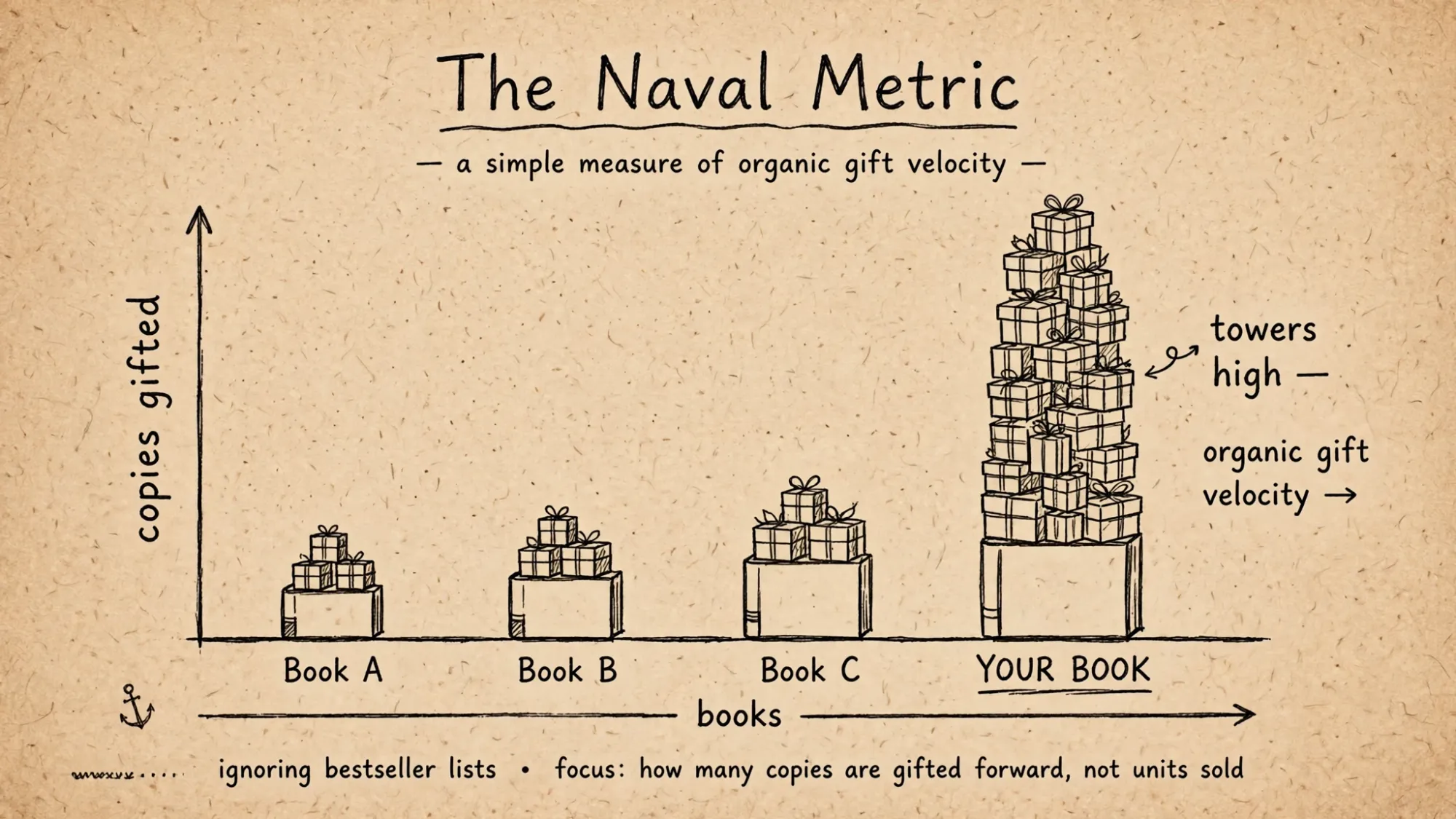
The Naval Metric
Naval Ravikant utilizes a brilliant framework for evaluating the true worth of a piece of literature.
He does not care about prominent bestseller lists or glowing online reviews.
He simply tracks how many physical copies of a specific title he has purchased to hand out to his friends and colleagues.
If a text compels you to spend your own money to actively distribute it across your network it has clearly altered your foundational worldview.
The ultimate metric of a great book is its organic gift velocity among highly intelligent operators.
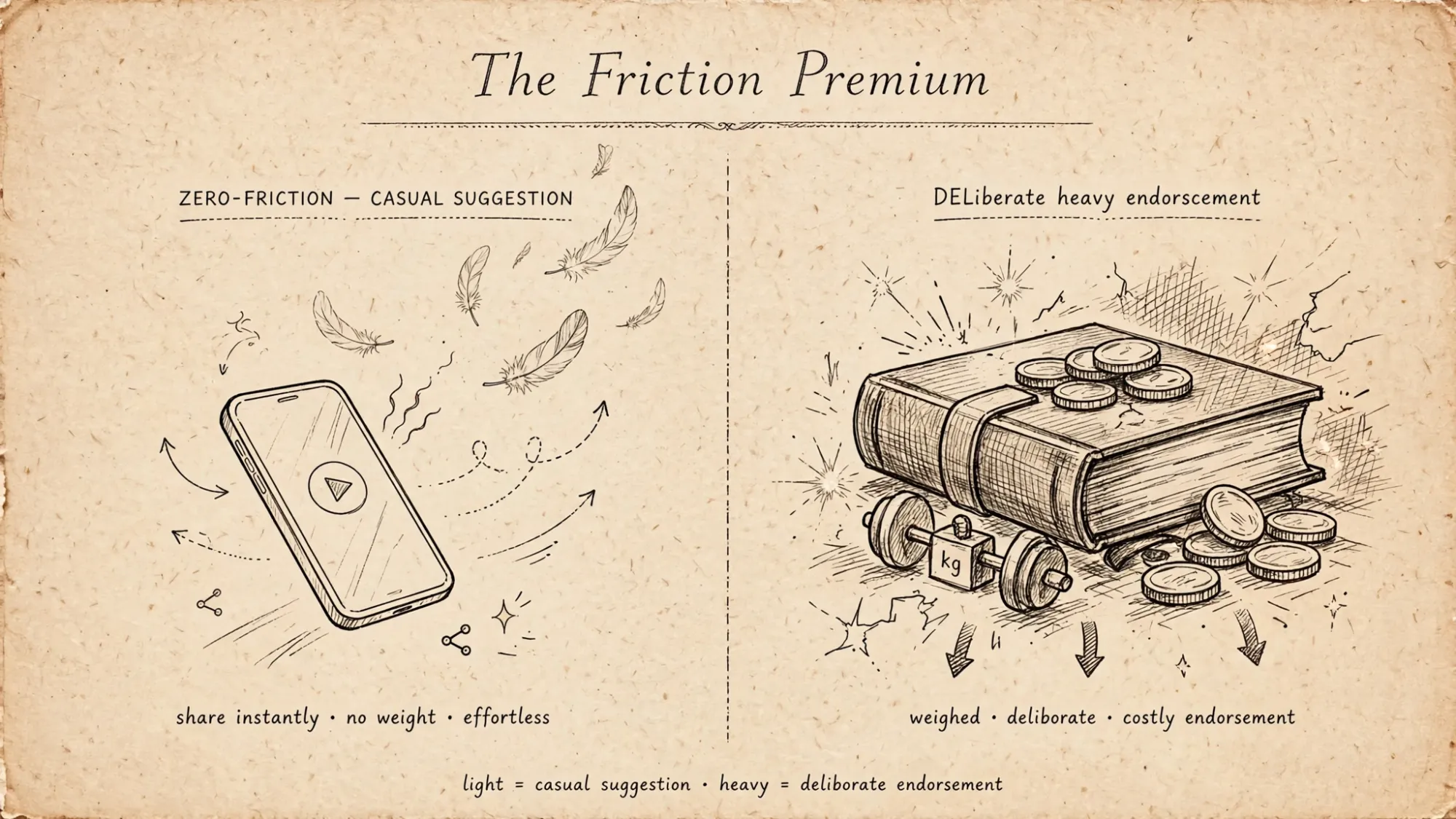
The Friction Premium
We currently live in a media environment defined entirely by zero friction sharing.
Texting a viral video or forwarding a podcast link takes a fraction of a second and carries practically zero social weight.
People who gift physical books intentionally introduce heavy friction back into a relationship.
They are spending real capital and implicitly asking the recipient to dedicate hours of their finite biological time to consume the material.
This deliberate friction immediately elevates the exchange from a casual suggestion to a highly serious endorsement.
Cognitive Synchronization
This heavy ask is exactly what makes the habitual gift giver so uniquely special.
They are not just trying to provide you with cheap weekend entertainment.
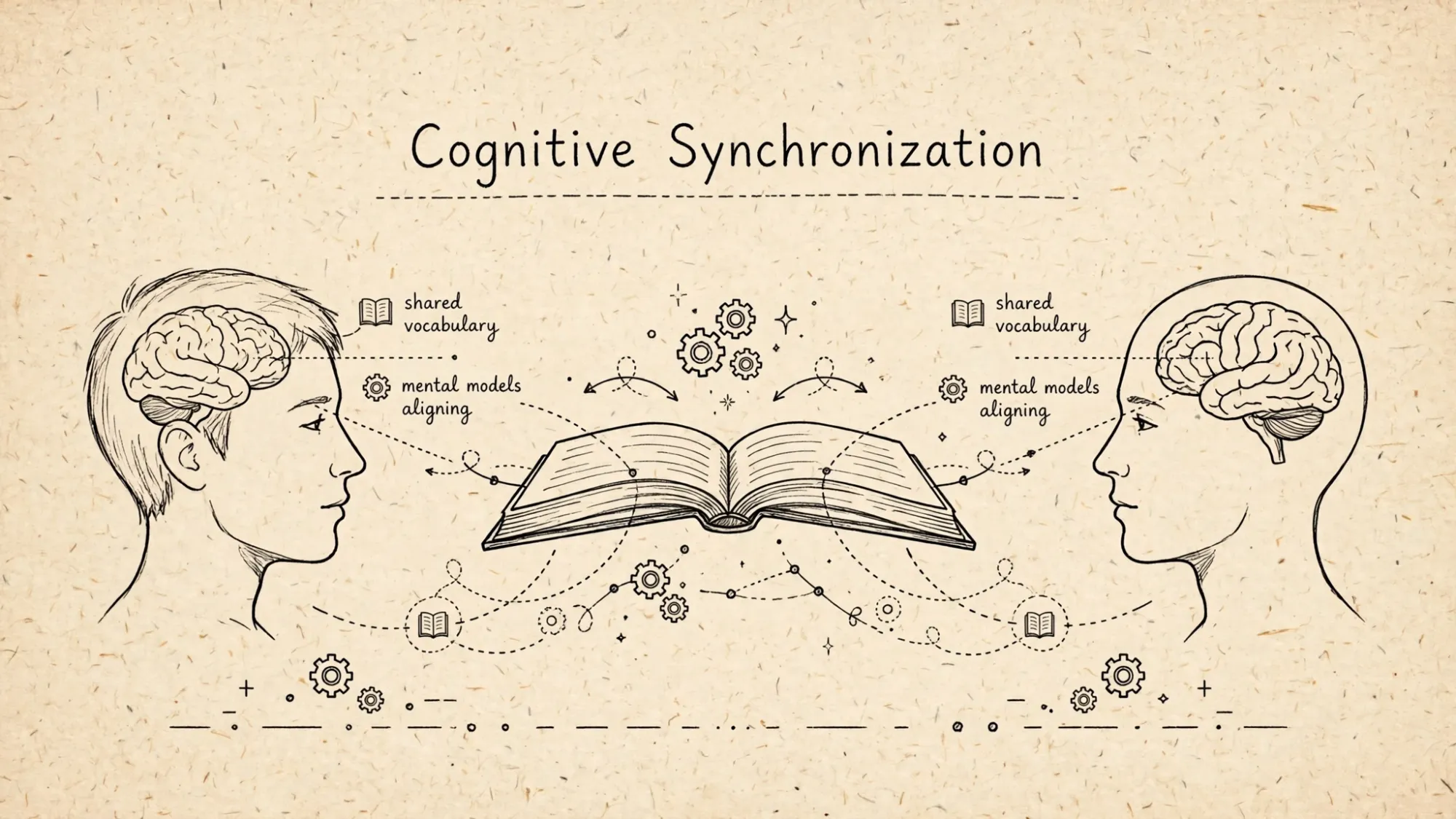
They are actively trying to download a highly specific cognitive framework directly into your brain.
When a mentor hands you a dense book on behavioral economics they are trying to synchronize your mental models.
They want to ensure that you can both navigate the business world using the exact same vocabulary and strategic baseline.
The Silent Behavioral Test
Gifting a book also functions as a highly effective filter for evaluating raw talent and ambition.
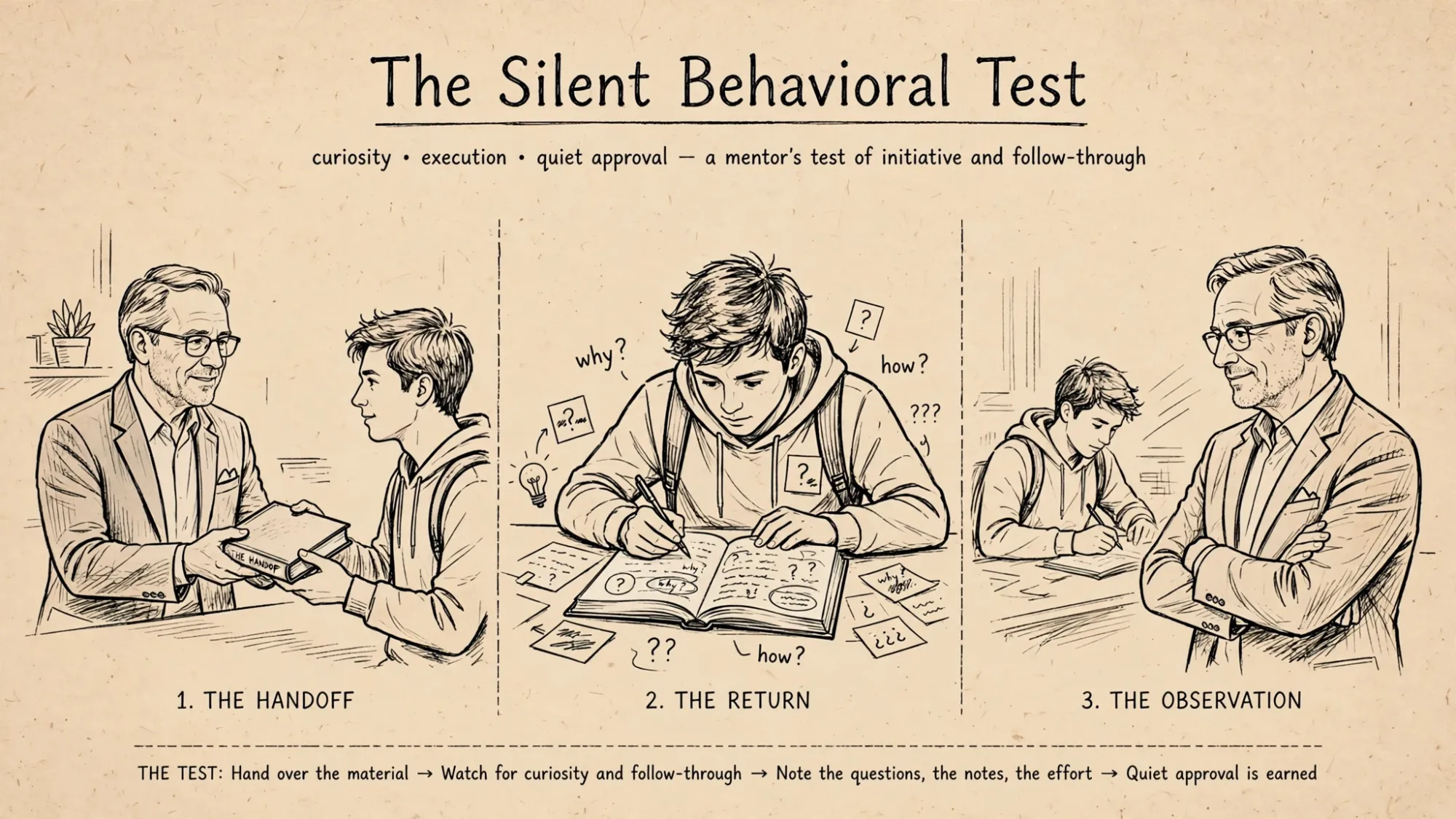
When a successful executive hands a recommended reading to a junior employee they are quietly running a behavioral test.
If that employee returns a week later with underlined pages and sharp questions the executive instantly knows they possess genuine curiosity.
It separates the people who just talk about growth from the people who actually execute on it.
The Persistent Anchor
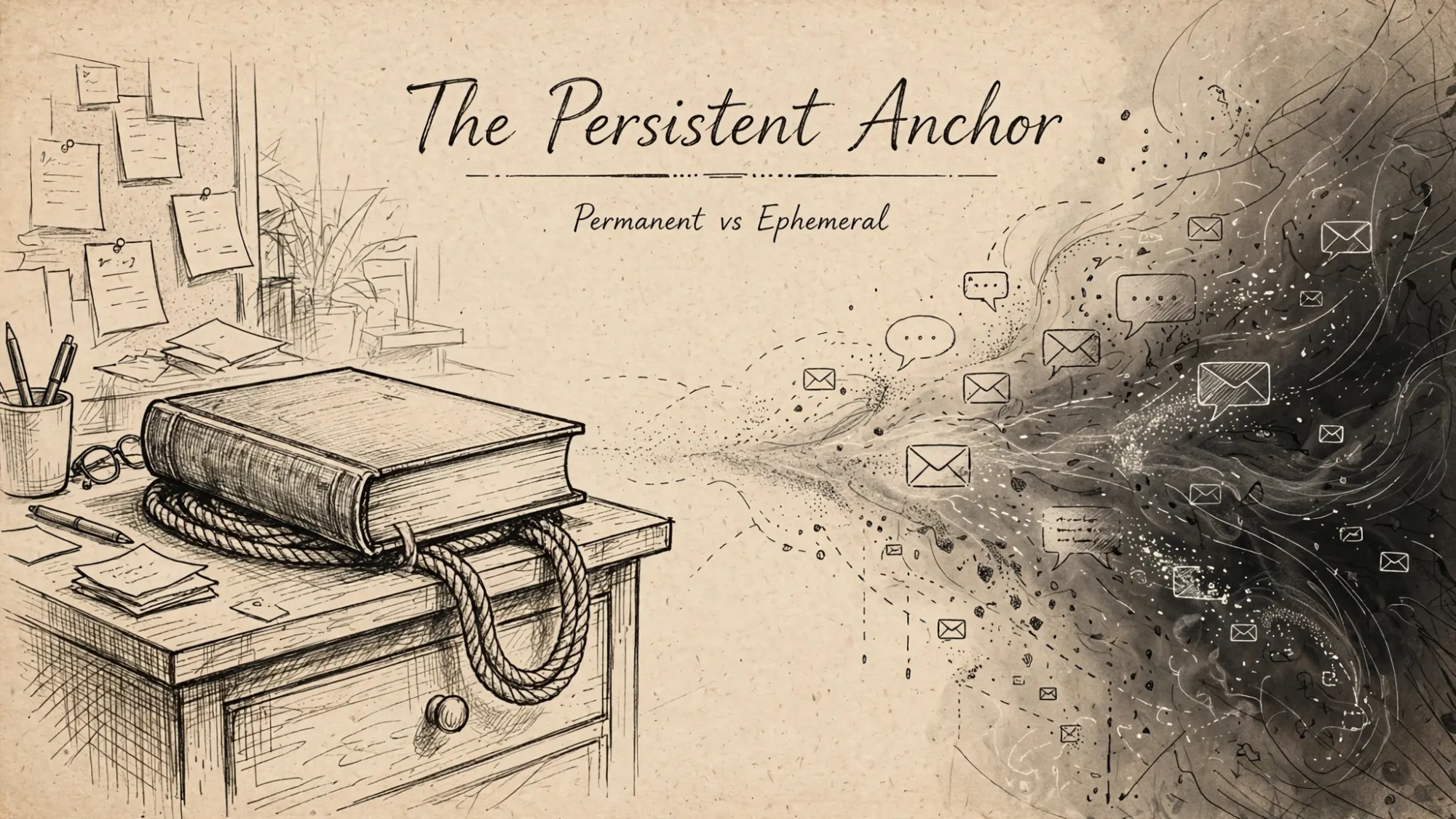
A physical book sitting on a nightstand is a permanent architectural anchor in a chaotic digital world.
A text message or a forwarded email disappears into the digital abyss in a matter of hours.
A gifted hardcover remains in your physical environment for decades.
It serves as a constant visual reminder of the specific person who genuinely invested in your intellectual development long before you were successful.
The Asymmetric Investment
People who consistently give books deeply understand the raw economics of personal development.
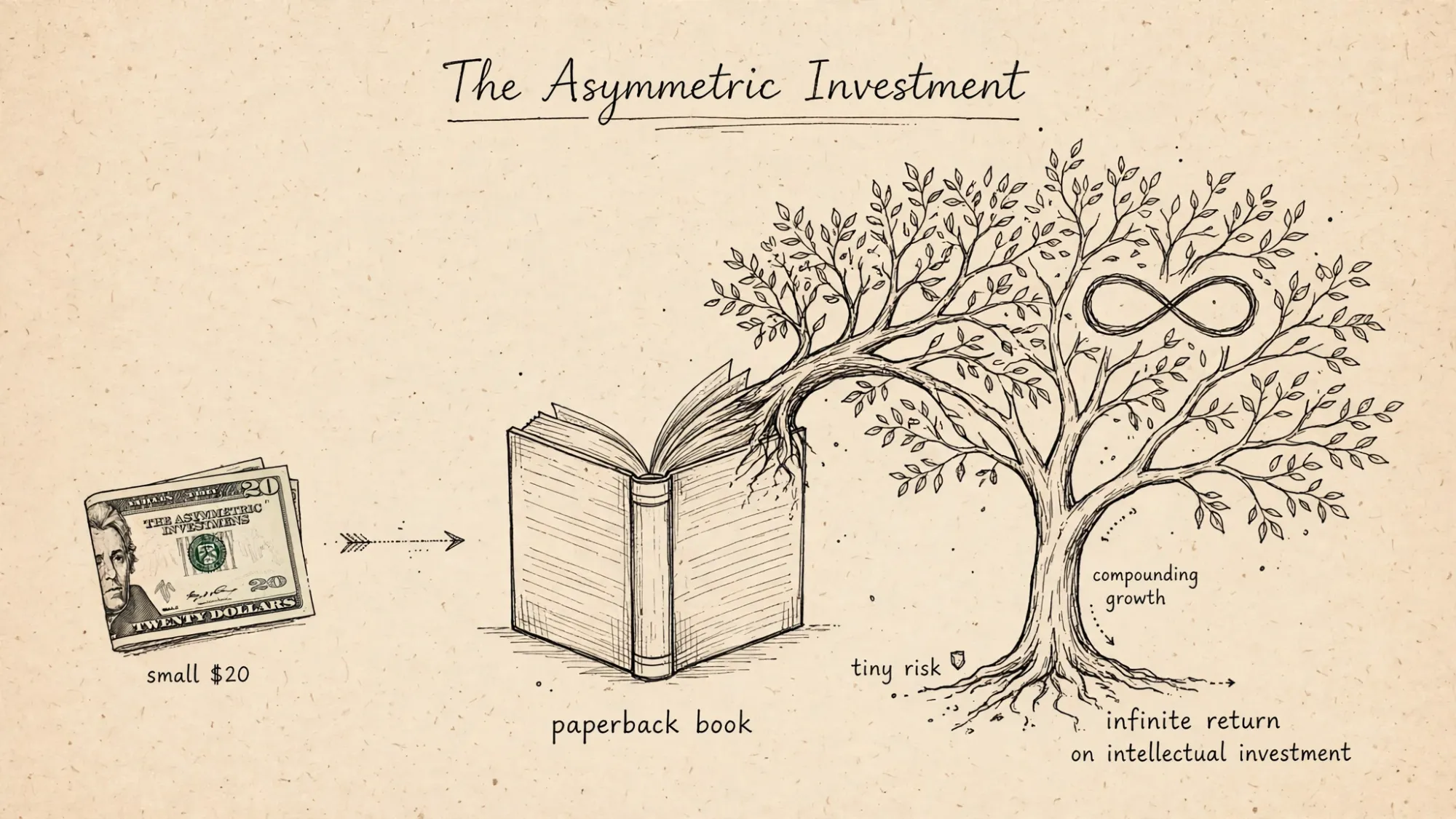
Spending twenty dollars on a paperback for a talented friend is arguably the most asymmetric investment you can possibly make.
You are risking a tiny fraction of your personal capital to potentially rewrite the entire professional or personal trajectory of someone you care about.
If the ideas in that book successfully take root the compound interest of that gift is effectively infinite.
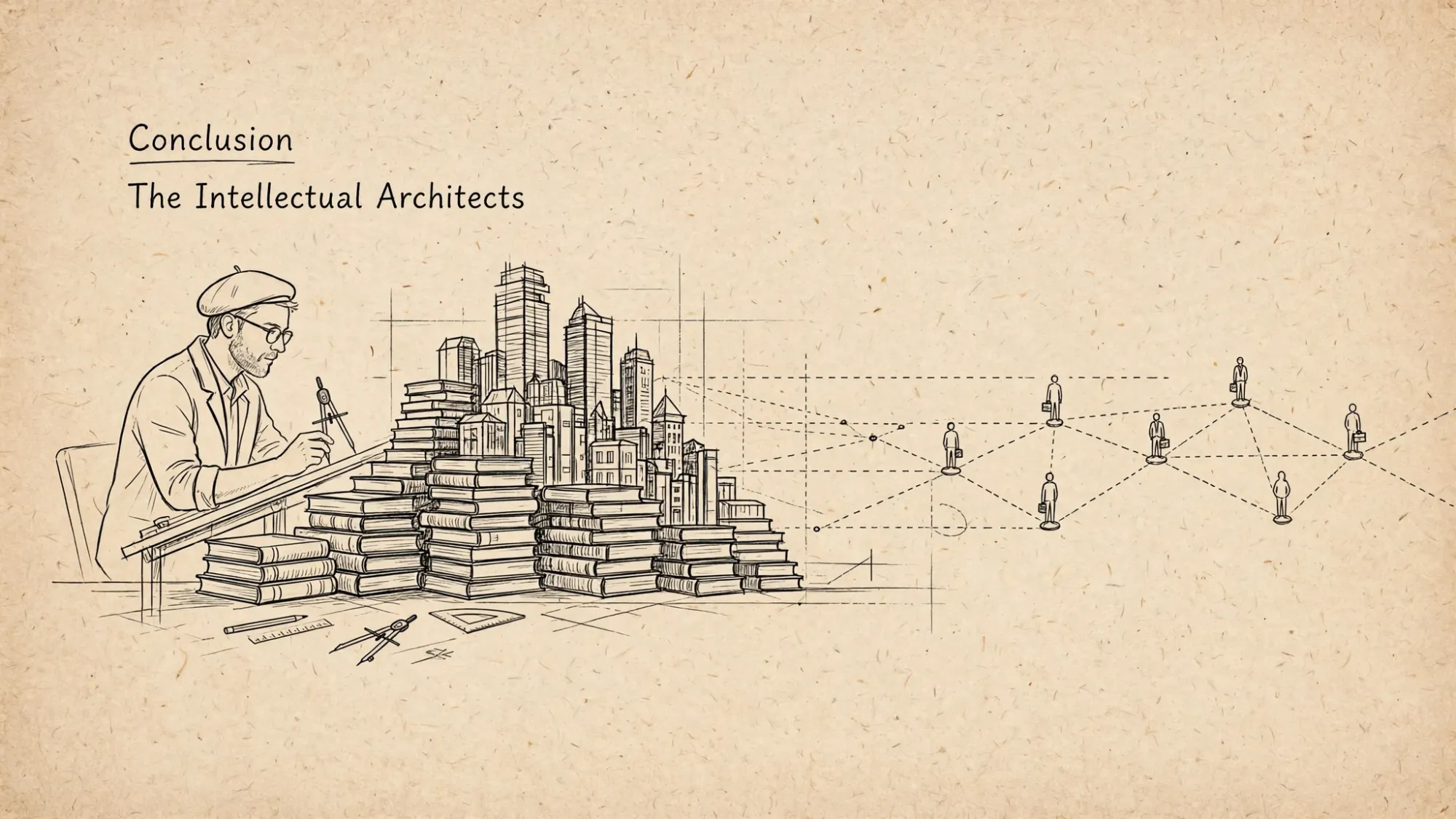
Conclusion: The Intellectual Architects
Anyone can easily forward a link to a trending digital article.
The rare individuals who actively curate and distribute physical books are quietly functioning as the intellectual architects of their entire community.