What Happens When the UAE Abandons OPEC: The Cartel Fracture
We assume global energy cartels are completely immune to internal economic fractures. In reality a single wealthy nation abandoning this alliance could trigger the most violent restructuring of the global energy market in modern history.
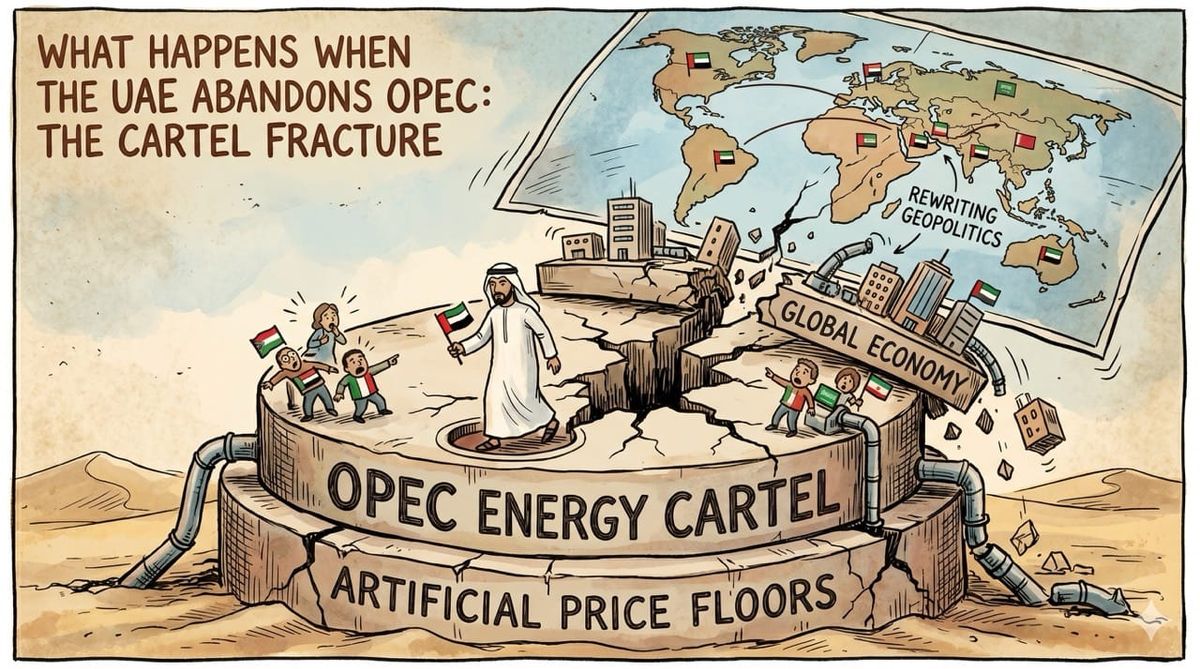
The global economy relies entirely on artificial price floors established by historical energy cartels. The sudden departure of a massive sovereign producer would immediately shatter this fragile equilibrium and completely rewrite international geopolitics.
Inspiration: Analyzing the massive geopolitical rumors regarding the United Arab Emirates officially exiting the global oil cartel. Realizing that the foundational architecture of the modern energy market is incredibly vulnerable to internal sovereign competition.
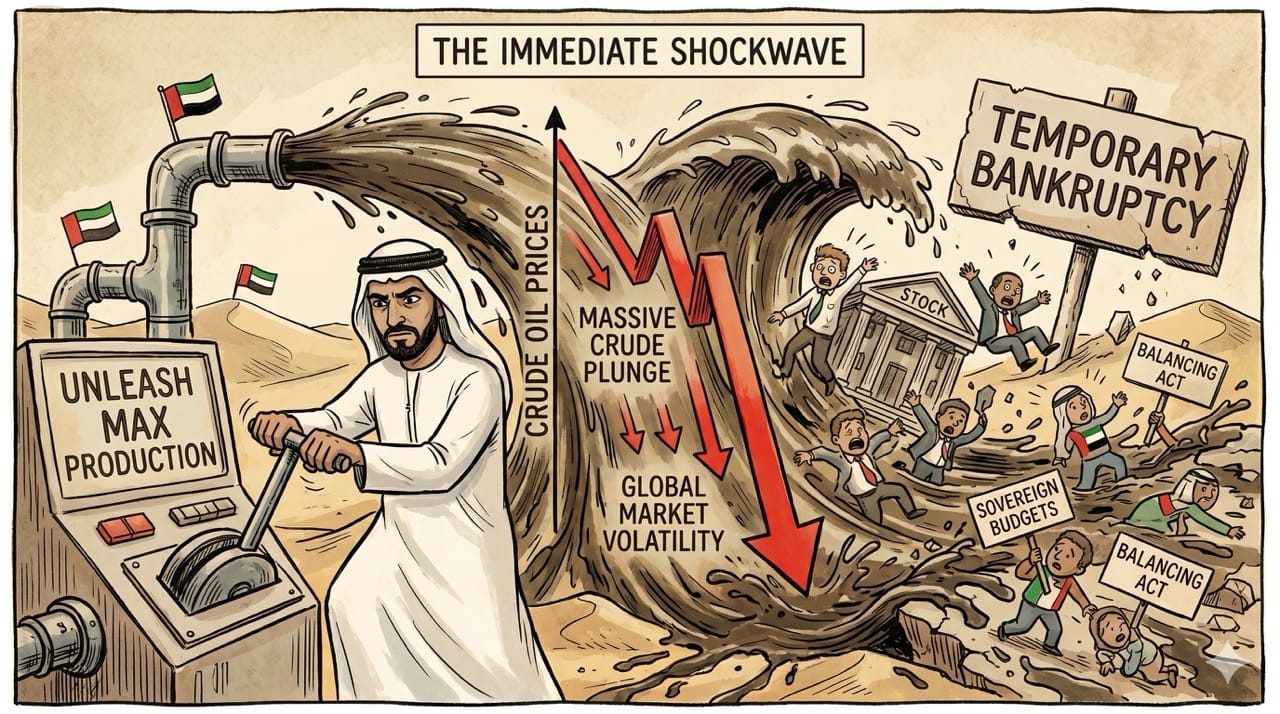
The Immediate Shockwave
The sudden departure of a massive producer would instantly trigger a terrifying wave of extreme volatility across global financial markets.
The immediate short term reaction would be a massive plunge in global crude prices as the departing nation unleashes its maximum production capacity.
This sudden flood of cheap energy would temporarily bankrupt smaller producing nations that rely heavily on artificially inflated prices to balance their sovereign budgets.
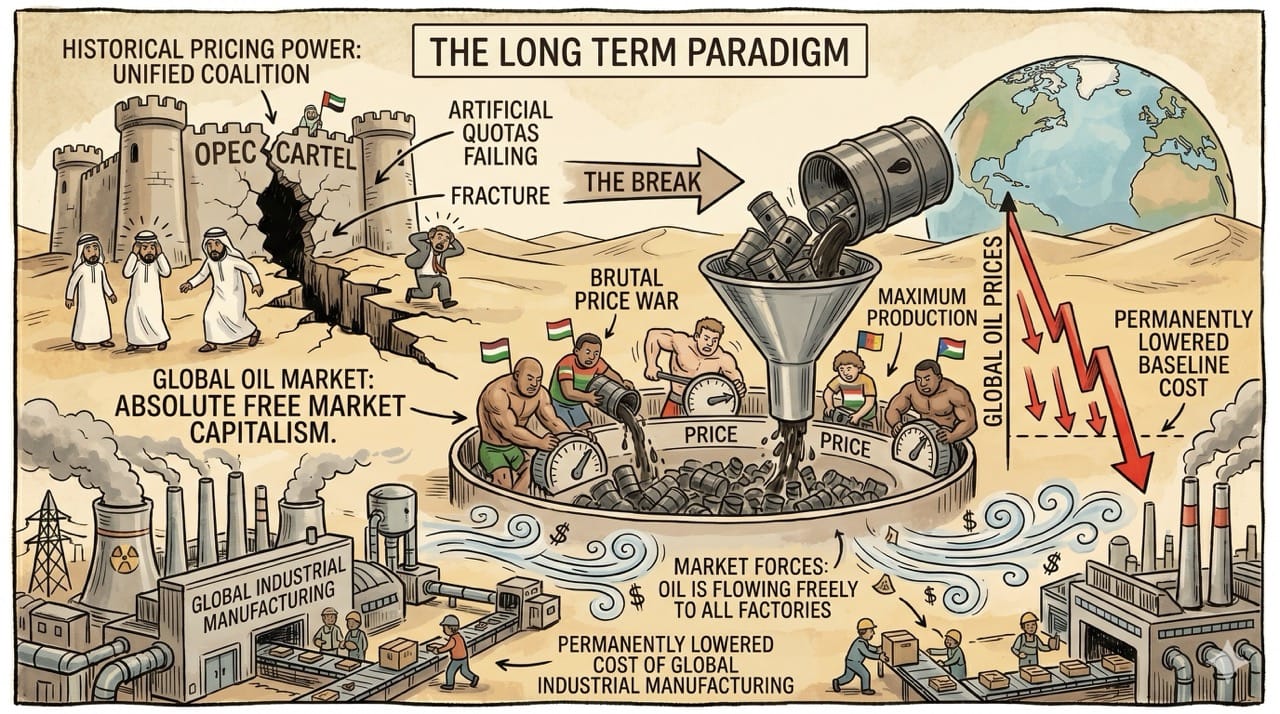
The Long Term Paradigm
Over a longer time horizon this fracture would completely destroy the historical pricing power of the entire cartel.
Without a unified coalition strictly enforcing artificial supply quotas the global oil market would revert entirely to absolute free market capitalism.
Massive producing nations would be forced into a brutal price war that permanently lowers the baseline cost of global industrial manufacturing.
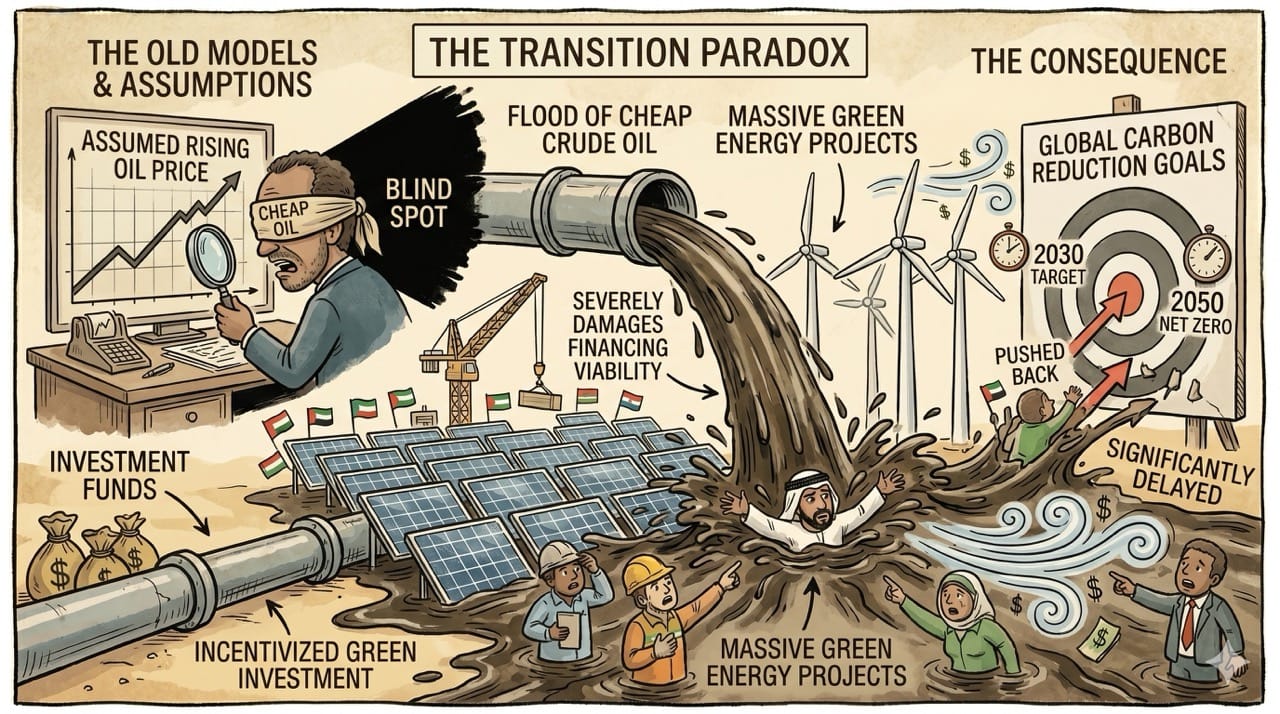
The Transition Paradox
This sudden era of incredibly cheap fossil fuels would create a massive blind spot regarding the global transition to renewable energy.
Most financial models assume oil prices will constantly rise and automatically incentivize heavy investments in solar and wind infrastructure.
An absolute flood of cheap crude oil would severely damage the financial viability of massive green energy projects and significantly delay global carbon reduction goals.
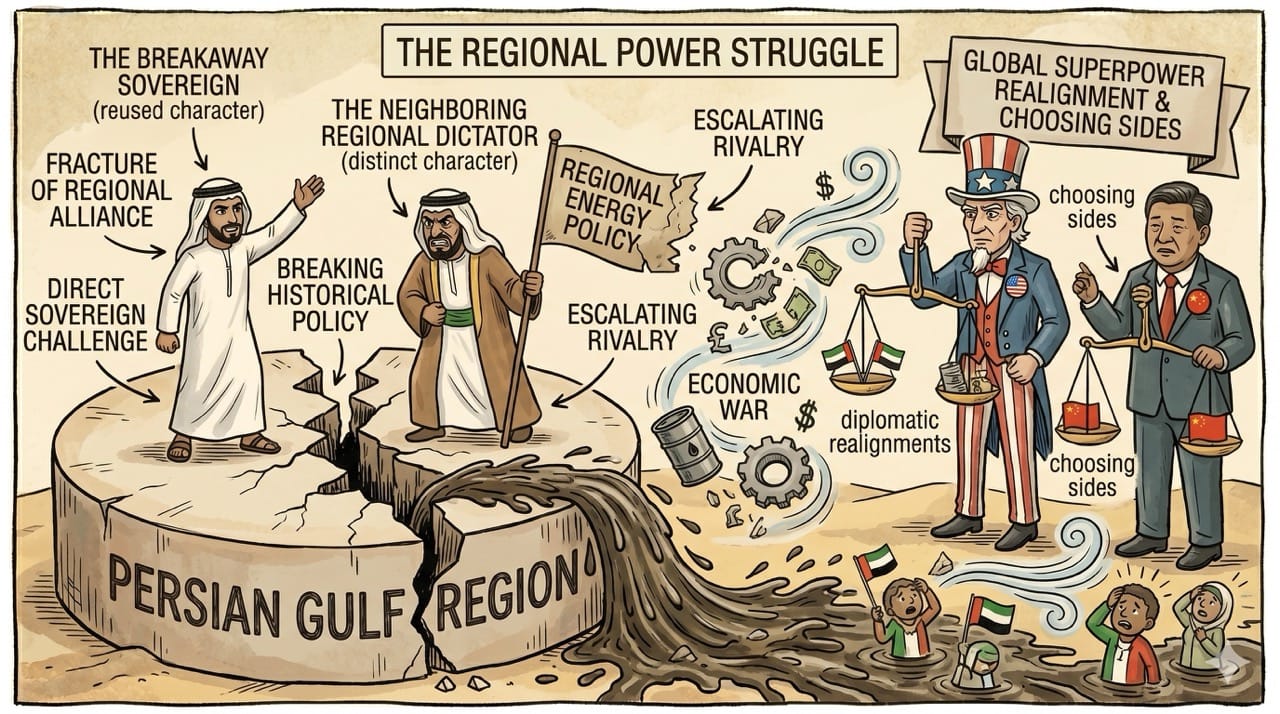
The Regional Power Struggle
This unprecedented economic maneuver would instantly trigger a massive geopolitical fracture between the wealthiest nations in the Persian Gulf.
Breaking the alliance represents a direct sovereign challenge to neighboring powers who historically dictated regional energy policy.
This escalating rivalry would force global superpowers to completely realign their diplomatic relationships and carefully choose sides in a bitter economic war.
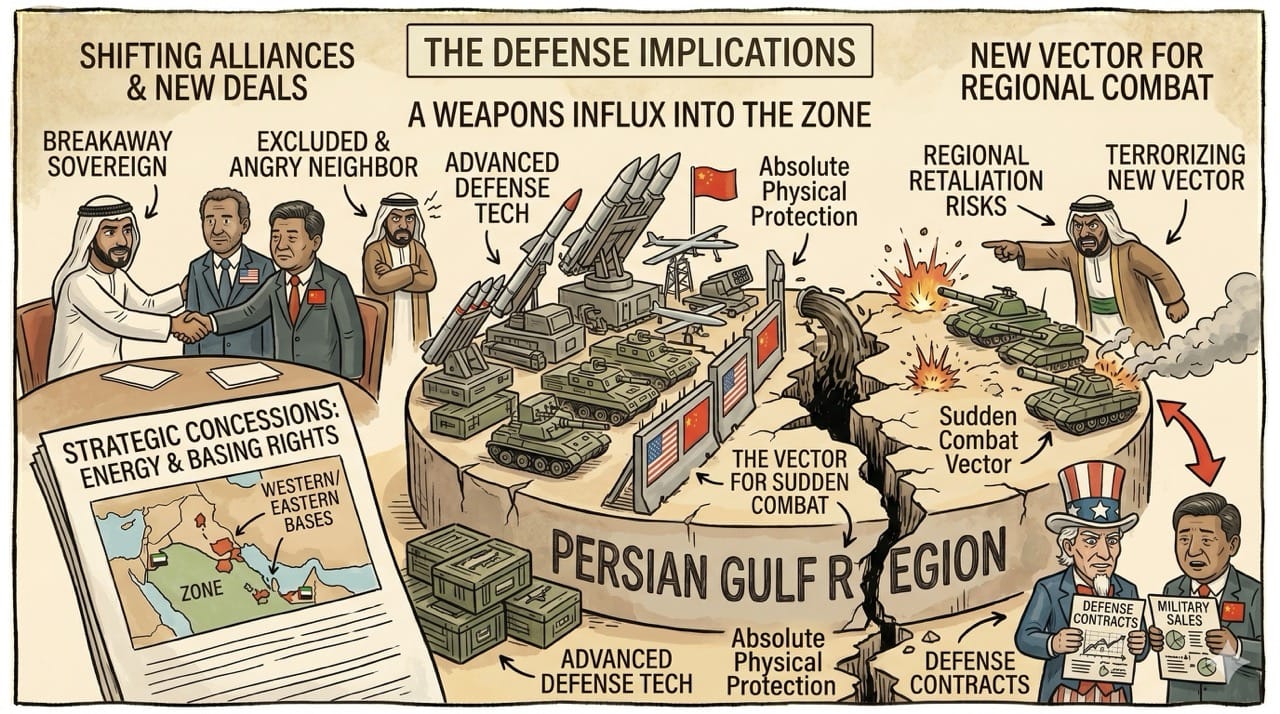
The Defense Implications
A fundamental shift in regional alliances carries absolutely massive implications for global military contracts and physical defense infrastructure.
Nations departing the cartel would likely offer massive strategic concessions to Western military powers in exchange for absolute physical protection against regional retaliation.
The influx of advanced weaponry into a highly destabilized economic zone creates a terrifying new vector for sudden regional combat.
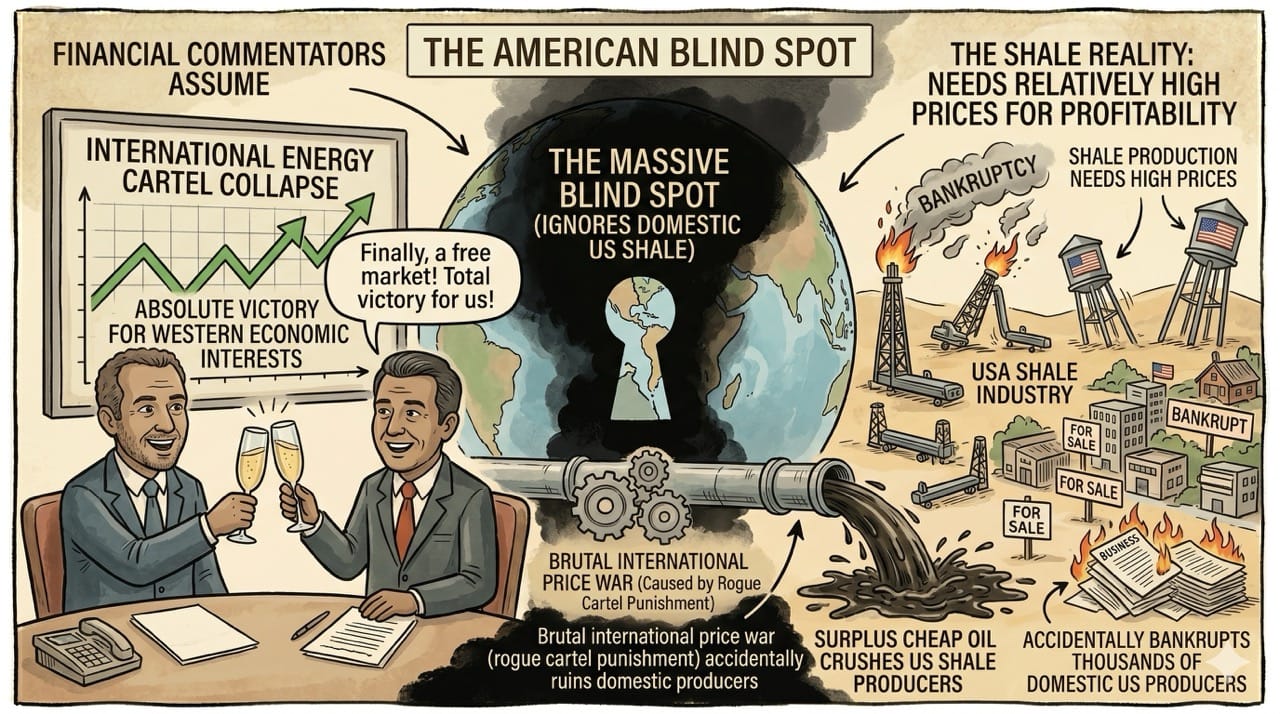
The American Blind Spot
Financial commentators often assume that collapsing international energy cartels represents an absolute victory for Western economic interests.
This completely ignores the massive blind spot regarding the domestic American shale industry which requires relatively high prices to remain profitable.
A brutal international price war designed to punish rogue cartel members would accidentally bankrupt thousands of domestic American energy producers in the process.
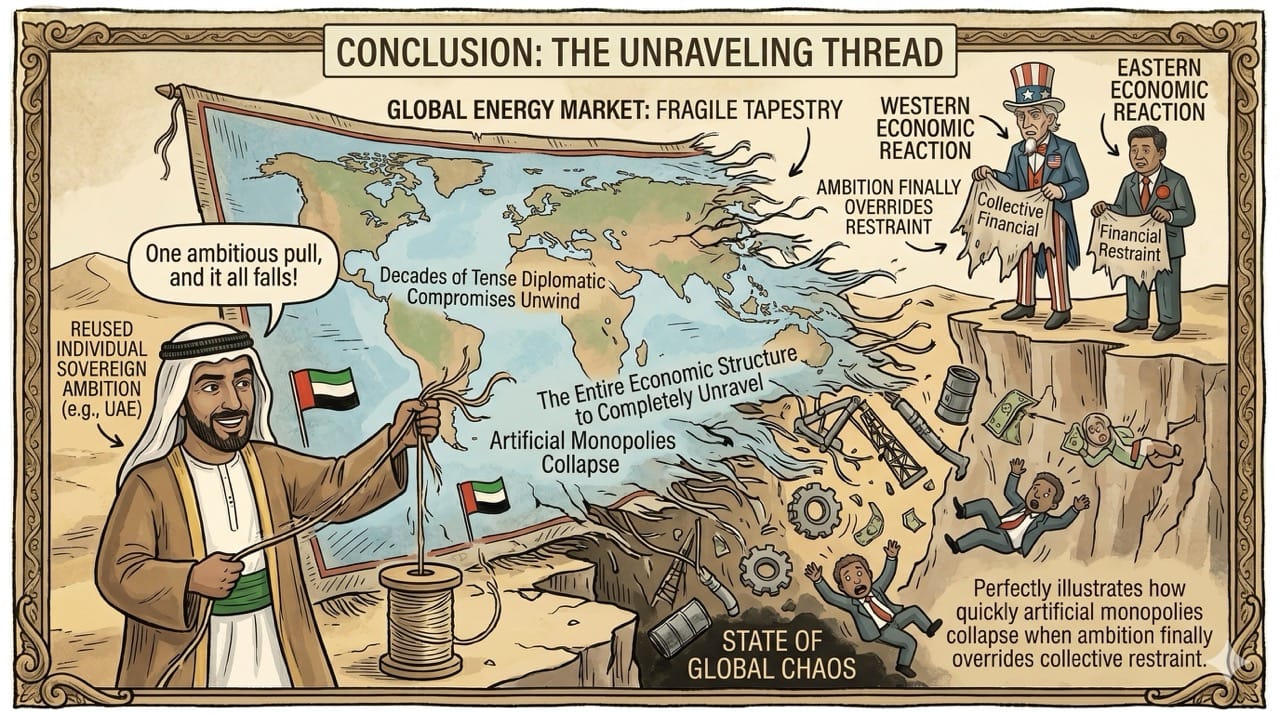
Conclusion: The Unraveling Thread
The global energy market is an incredibly fragile tapestry woven together by decades of tense diplomatic compromises.
Pulling a single massive thread like the United Arab Emirates will inevitably cause the entire economic structure to completely unravel.
The resulting chaos will perfectly illustrate how quickly artificial monopolies collapse when individual sovereign ambition finally overrides collective financial restraint.