
The Illusion of Protection: Why China's Gig Economy Mandate Risks Economic Stagnation
We assume government mandates guaranteeing fair pay and algorithmic transparency ultimately protect the working class. In reality these massive legislative interventions frequently destroy the underlying unit economics and severely cripple broader economic growth.
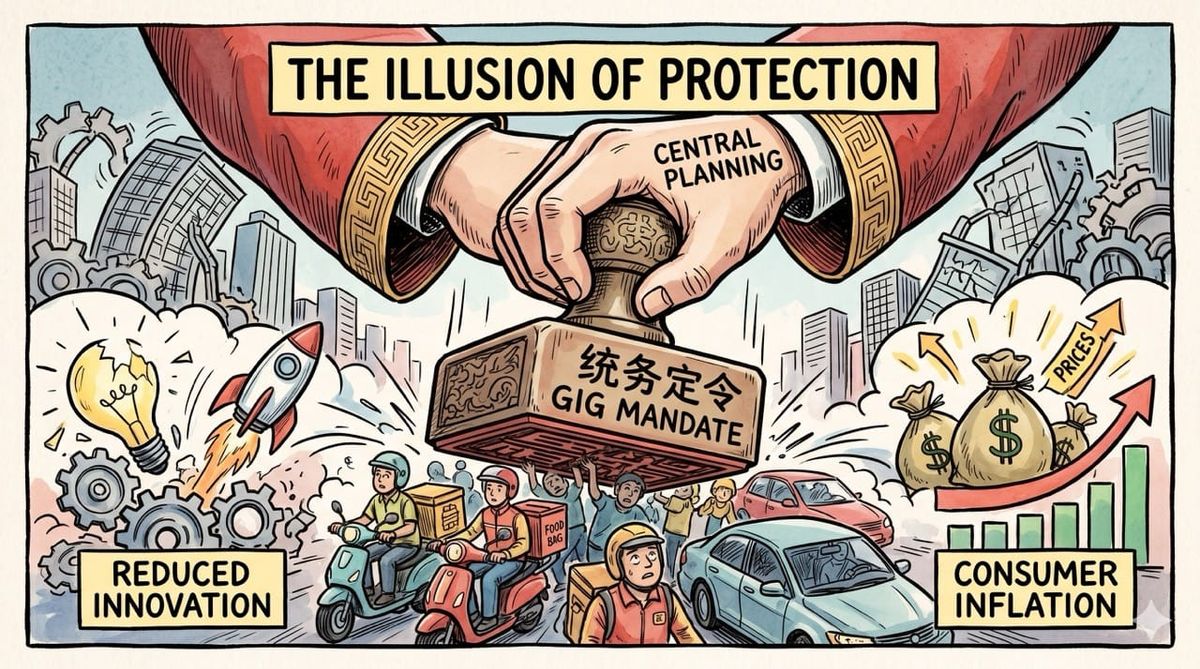
The Chinese government just launched a massive legislative overhaul to formally protect hundreds of millions of gig workers. This aggressive central planning will inevitably trigger severe consumer inflation and permanently suppress domestic technological innovation.
Inspiration: Analyzing the recent wave of headlines confirming that Beijing formalized comprehensive labor rules for online platform workers. Realizing that aggressive legislative intervention frequently creates the exact catastrophic economic outcomes it originally intends to prevent.
The Inflated Workforce
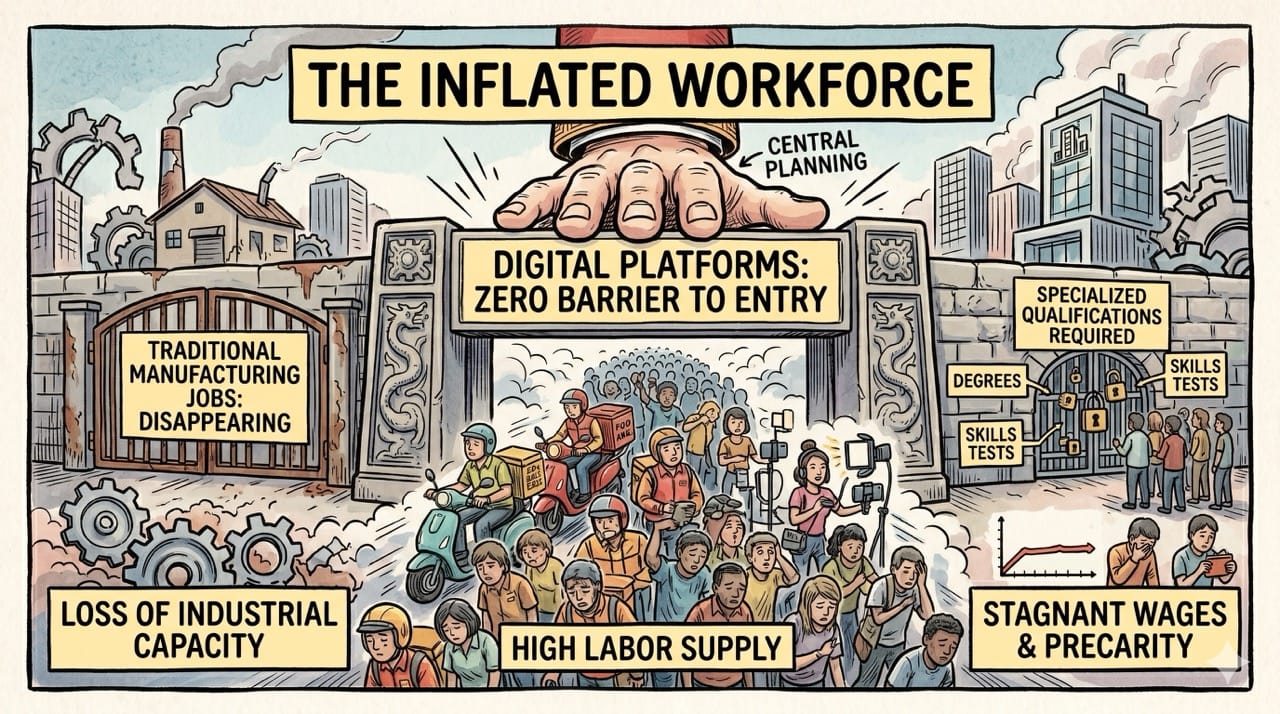
A massive portion of the Chinese labor force currently relies entirely on digital platform work to survive.
These astronomical participation numbers are heavily inflated because the absolute barrier to entry for delivery drivers and livestreamers is virtually zero.
Many citizens are forced into these specific roles simply because traditional manufacturing jobs are disappearing and they lack specialized corporate qualifications.
The Legislative Mandate
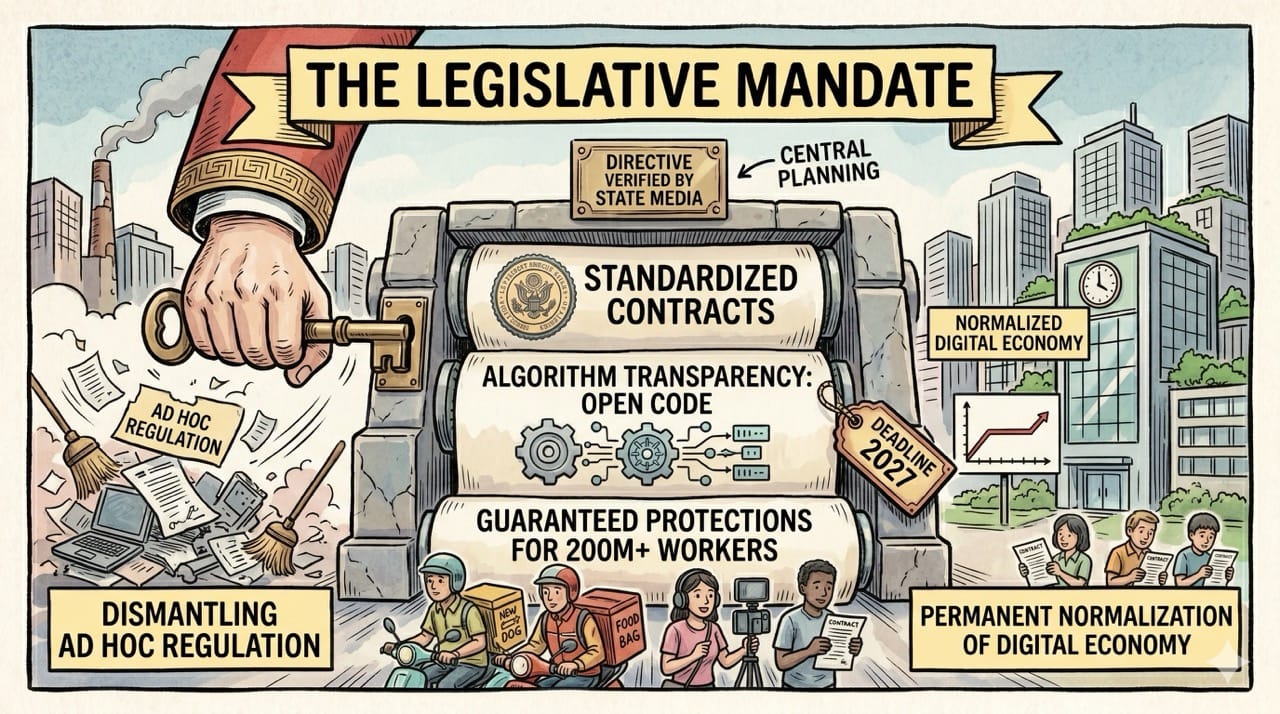
The central government recently issued comprehensive labor rules demanding standardized contracts and absolute algorithm transparency by the year 2027.
State media reports confirm this directive forces technology companies to guarantee fair pay and provide robust labor protections for over two hundred million people.
This marks a massive transition away from ad hoc regulation toward permanent normalization of the digital platform economy.
The Historical Precedent
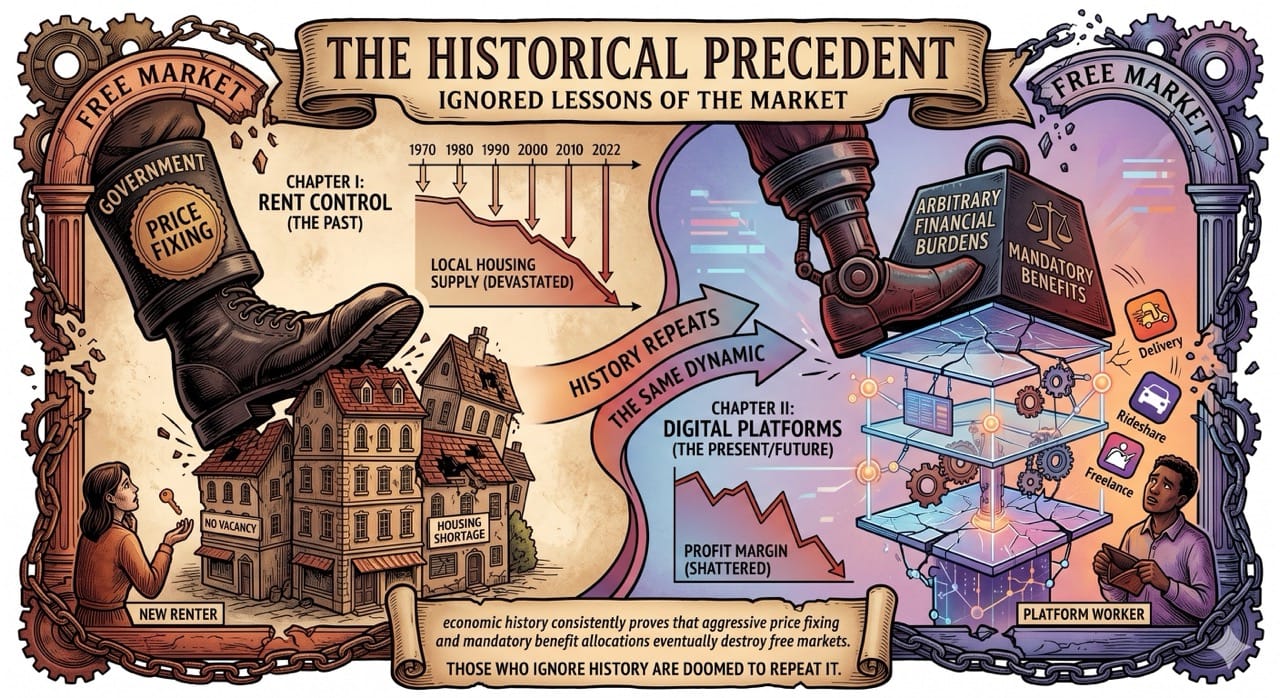
Economic history consistently proves that aggressive price fixing and mandatory benefit allocations eventually destroy free markets.
We have seen this exact dynamic play out with rent control policies that ultimately devastate local housing supplies and severely punish new renters.
Forcing arbitrary financial burdens onto highly optimized digital platforms will inevitably shatter their fragile profit margins.
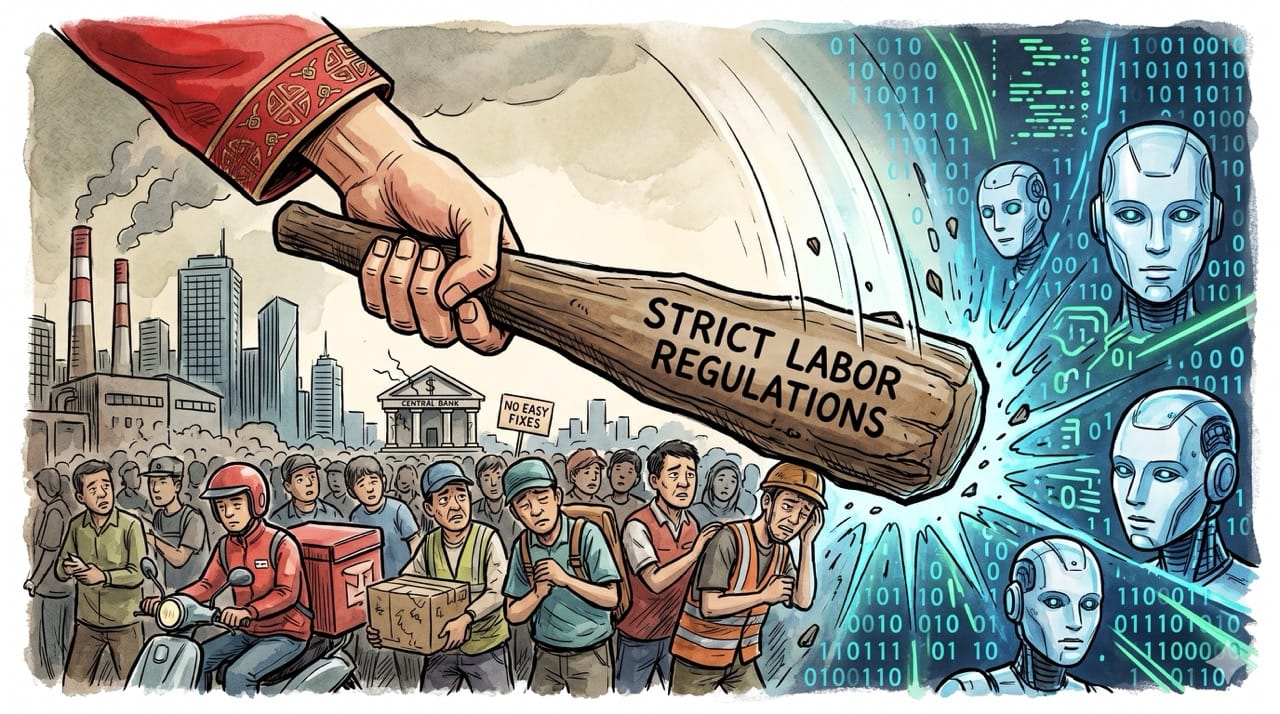
The Macroeconomic Corner
Beijing is likely terrified about the impending wave of massive job displacement caused by advanced artificial intelligence and autonomous logistics.
The central bank cannot simply slash interest rates to artificially stimulate growth because they are actively fighting severe deflationary pressures and currency devaluation risks.
They are utilizing strict labor regulations as a desperate blunt instrument to artificially protect human employment from inevitable algorithmic replacement.
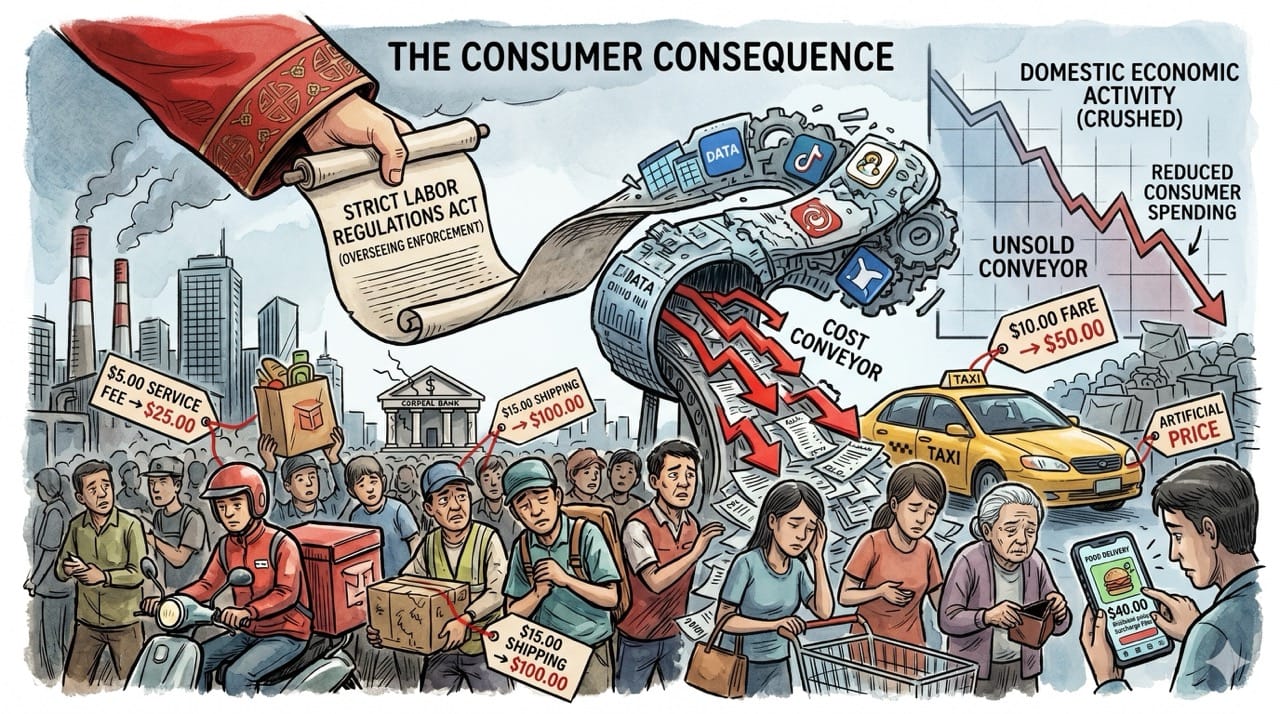
The Consumer Consequence
Platform monopolies will absolutely not absorb these massive new labor costs out of pure corporate benevolence.
They will immediately pass every single newly mandated expense directly onto the end consumer through significantly higher service fees.
This artificial price inflation will instantly reduce overall consumer spending and severely crush domestic economic activity.
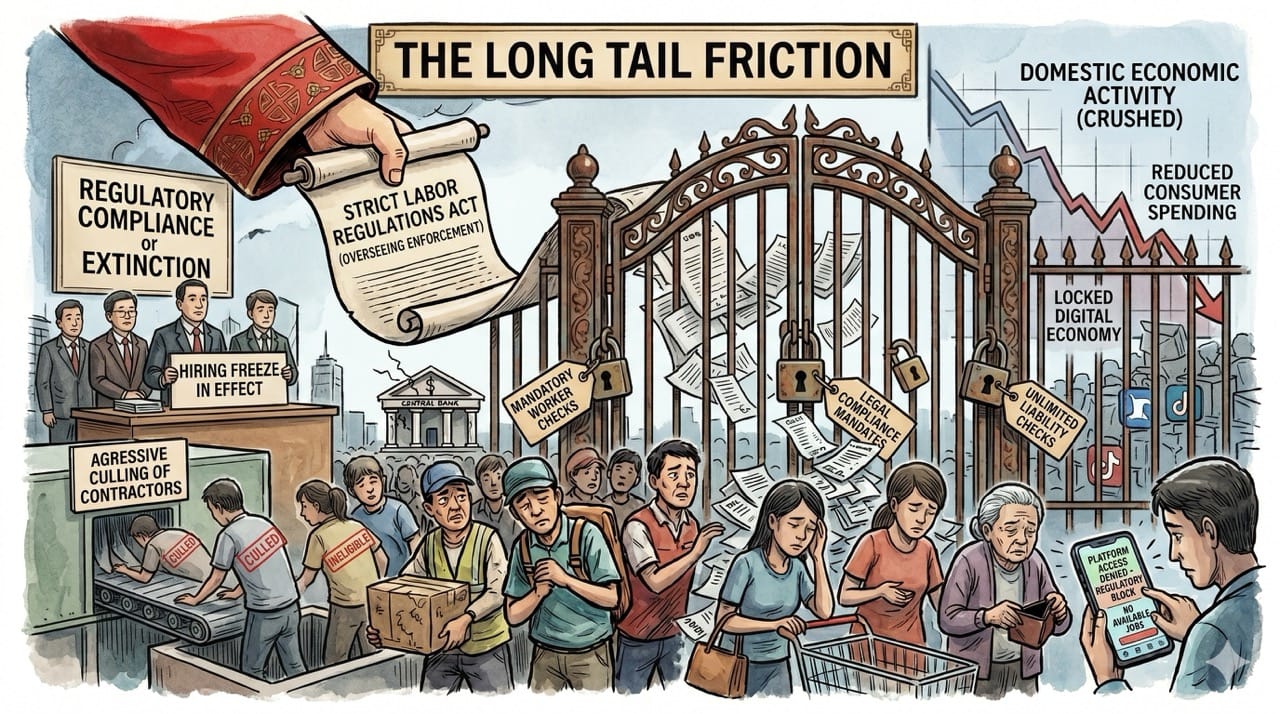
The Long Tail Friction
Adding massive legal friction to the hiring process fundamentally destroys the agility that made these platforms globally successful.
Technology companies will immediately freeze their hiring and begin aggressively culling their least productive human contractors to survive the regulatory burden.
Millions of vulnerable workers will find themselves completely locked out of the digital economy they previously relied upon for basic survival.
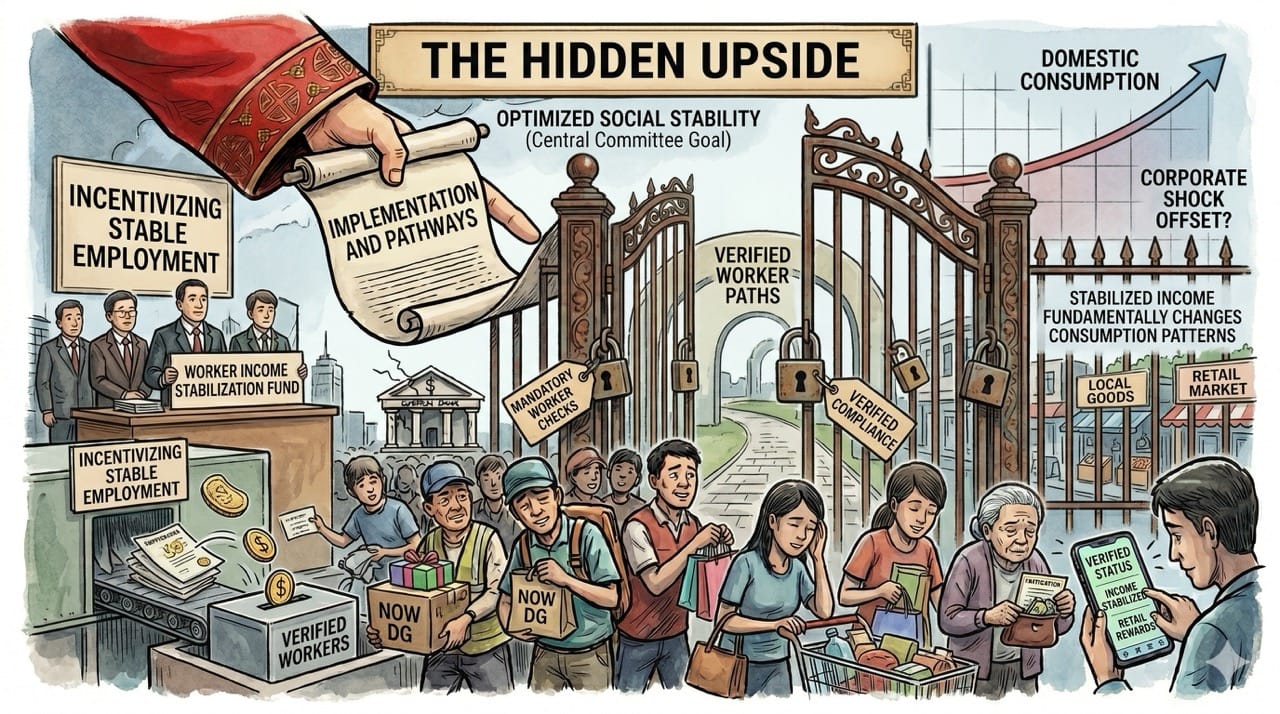
The Hidden Upside
There is a slight possibility that stabilizing income for two hundred million citizens could eventually stimulate baseline domestic consumption.
Providing basic financial security might allow these specific workers to finally transition away from pure survival mode and begin participating in the broader retail economy.
This optimized social stability is exactly what the central committee hopes will offset the immediate corporate financial shock.
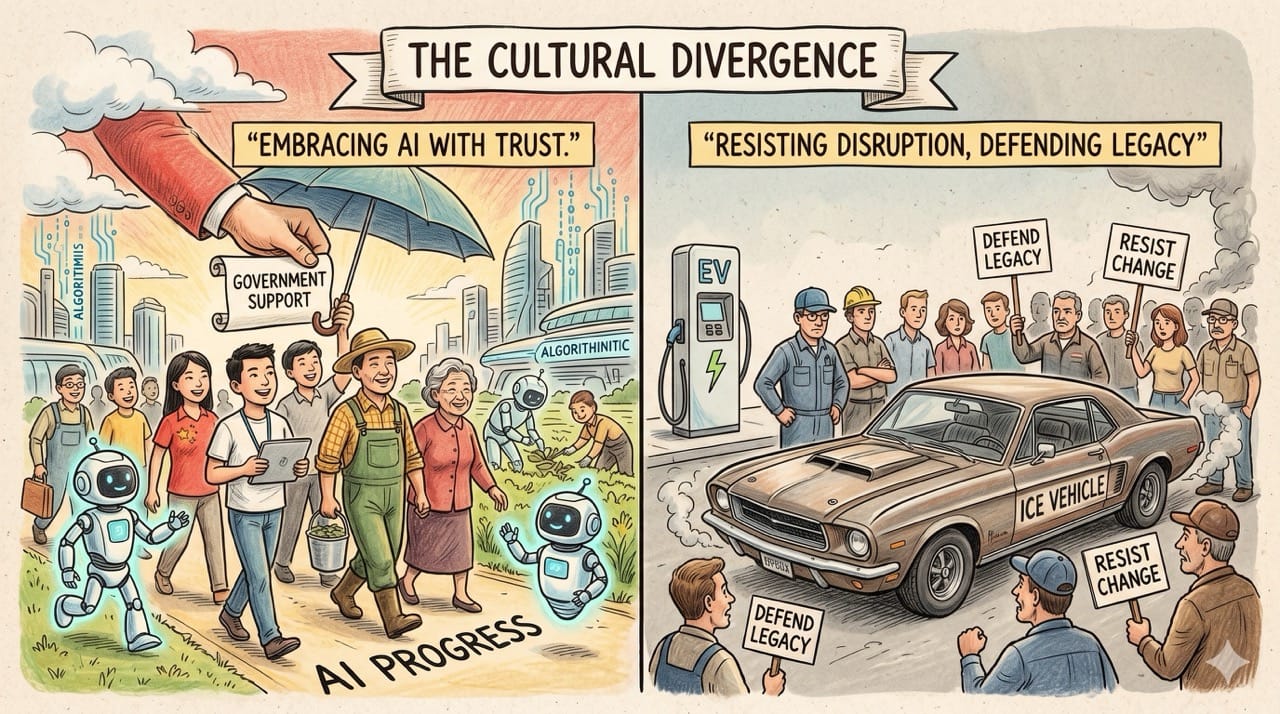
The Cultural Divergence
This protective government umbrella helps explain why the Chinese public remains incredibly optimistic regarding artificial intelligence compared to western nations.
The American population frequently rejects technological disruption entirely and fiercely defends legacy industries like internal combustion engines over modern electric vehicles.
Chinese citizens embrace aggressive algorithmic progress because they implicitly trust their central government will actively intervene to prevent absolute mass starvation.
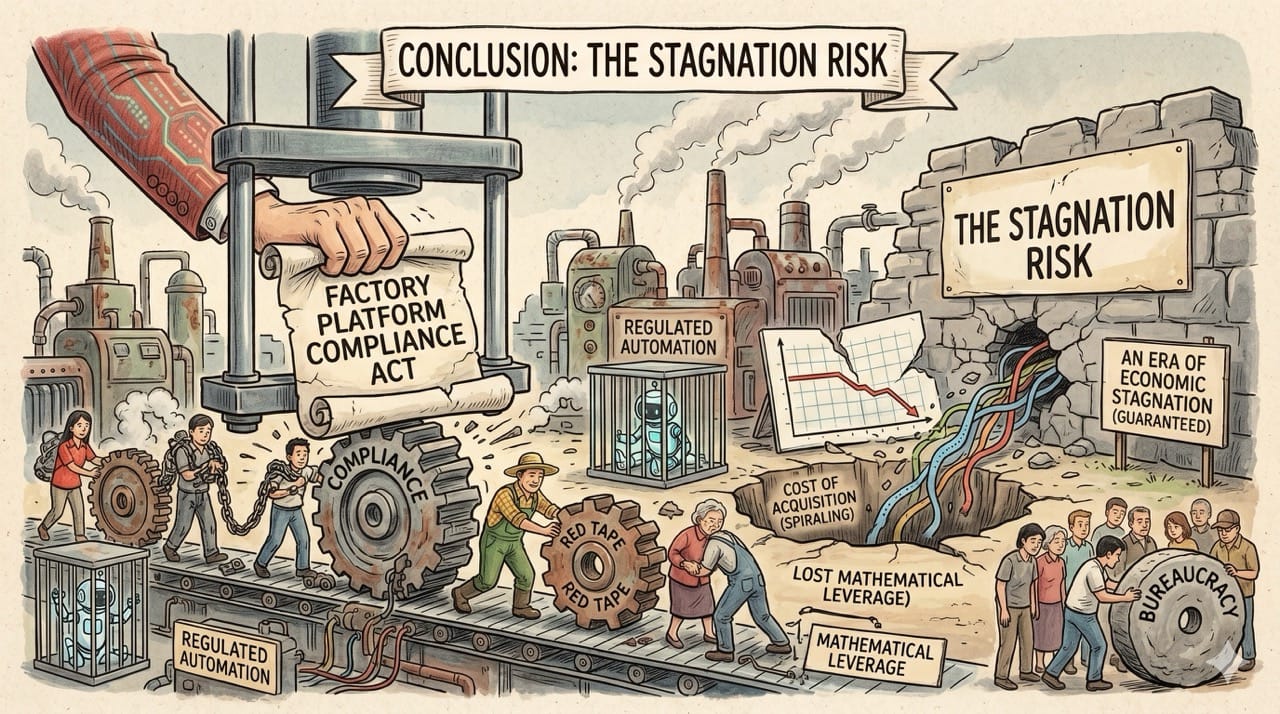
Conclusion: The Stagnation Risk
Artificial friction always increases the ultimate cost of customer acquisition.
Regulating massive digital platforms like traditional industrial factories completely removes the mathematical leverage that built the modern internet.
This well intentioned legislative mandate will ultimately guarantee an era of profound economic stagnation across the entire eastern hemisphere.
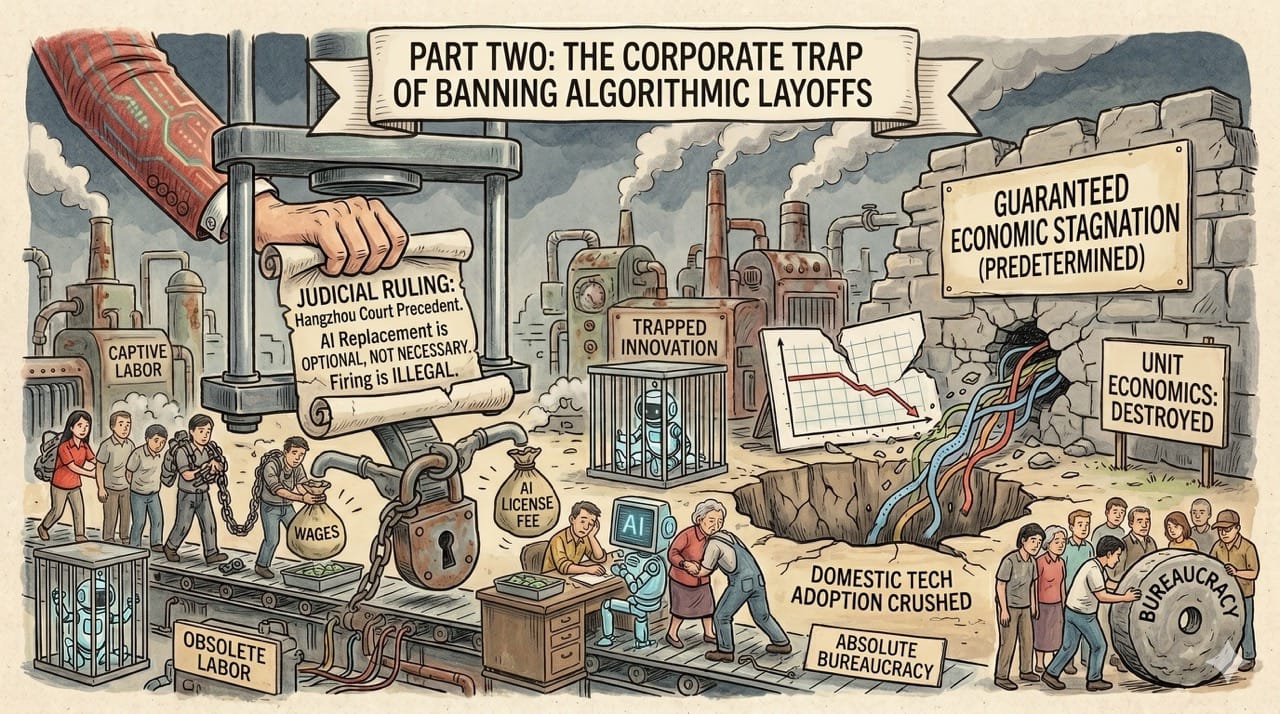
Part Two: The Corporate Trap of Banning Algorithmic Layoffs
The judicial system just declared that replacing a human with software is merely an optional business choice rather than an operational necessity. This legal precedent completely destroys the foundational unit economics of domestic technological adoption.
Inspiration: Analyzing recent judicial rulings in Hangzhou where a court officially declared firing a worker due to artificial intelligence adoption is entirely illegal. Realizing that forcing a corporation to pay for both the software and the obsolete human worker guarantees absolute economic stagnation.
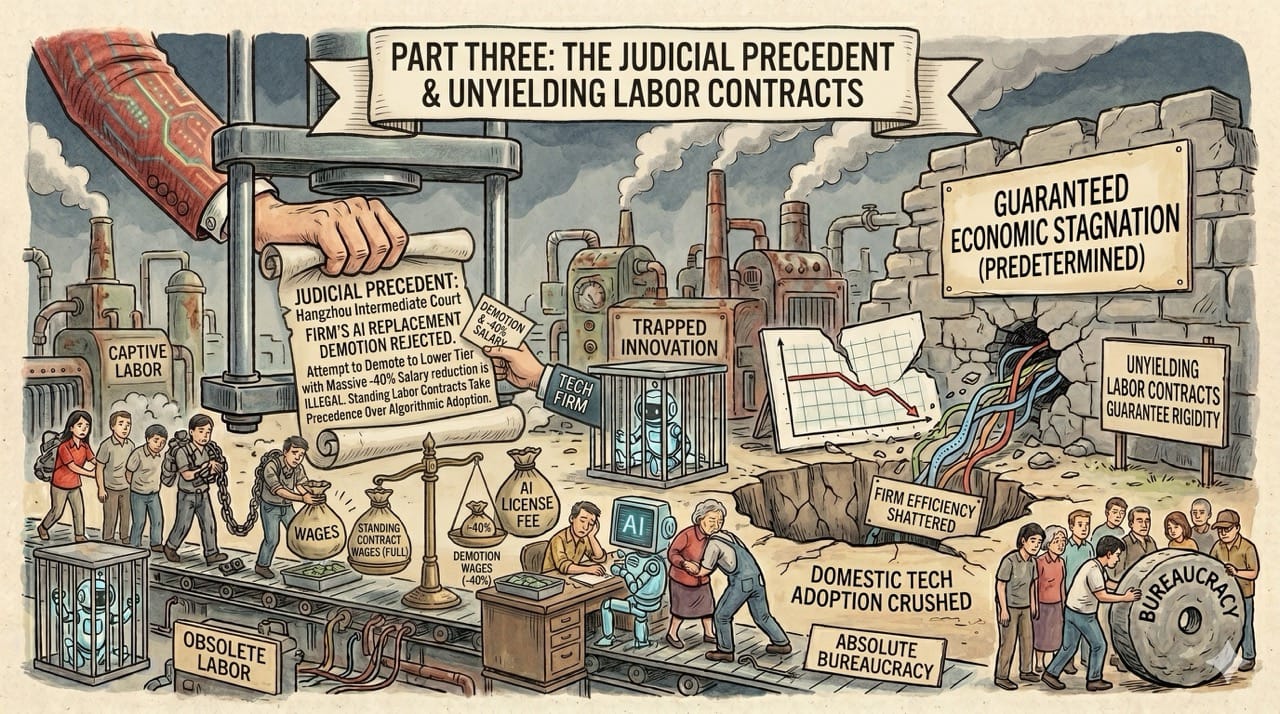
The Judicial Precedent
The Hangzhou Intermediate court recently ruled against a technology firm that attempted to fire an employee directly replaced by artificial intelligence.
The corporation attempted to aggressively reassign the worker to a lower tier position accompanied by a massive forty percent salary reduction.
The judicial system completely rejected this maneuver by stating that algorithmic adoption does not legally justify terminating a standing labor contract.
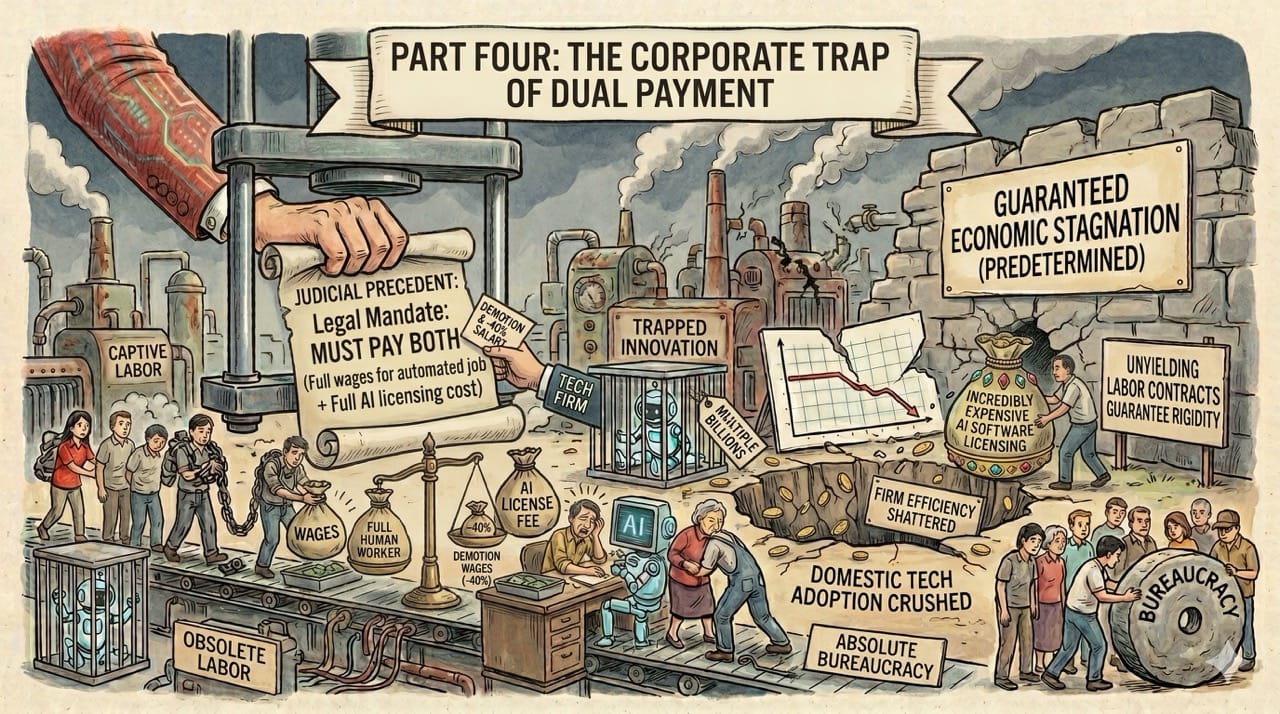
The Corporate Trap
This specific legal precedent creates an absolutely terrifying financial paradox for major domestic corporations.
They are essentially forced to purchase incredibly expensive artificial intelligence software simply to remain globally competitive in their respective markets.
However they are simultaneously legally mandated to continue paying the full salary of the human worker whose job was just automated.
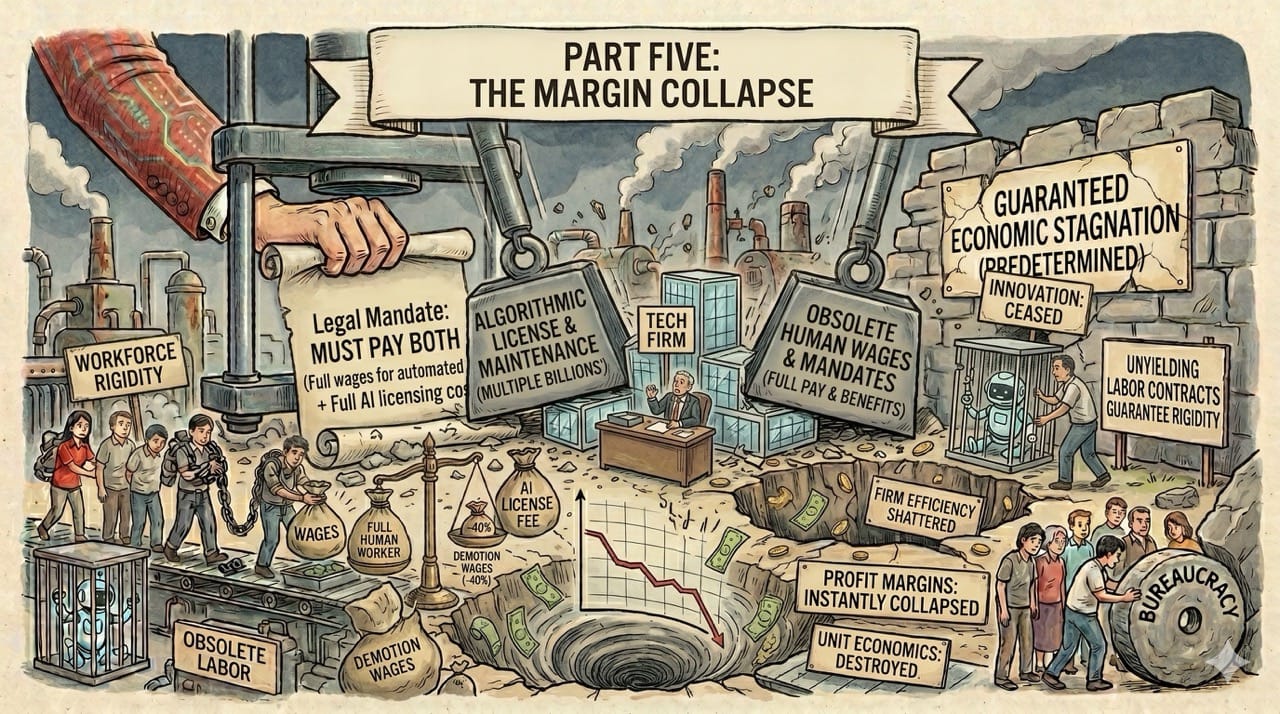
The Margin Collapse
Intelligent executives understand that the primary incentive for adopting new enterprise software is drastically lowering baseline operational costs.
If a company must pay for both the algorithmic license and the obsolete human employee their profit margins will instantly collapse.
The fundamental unit economics of building a modern technology business simply cannot survive this massive artificial financial burden.
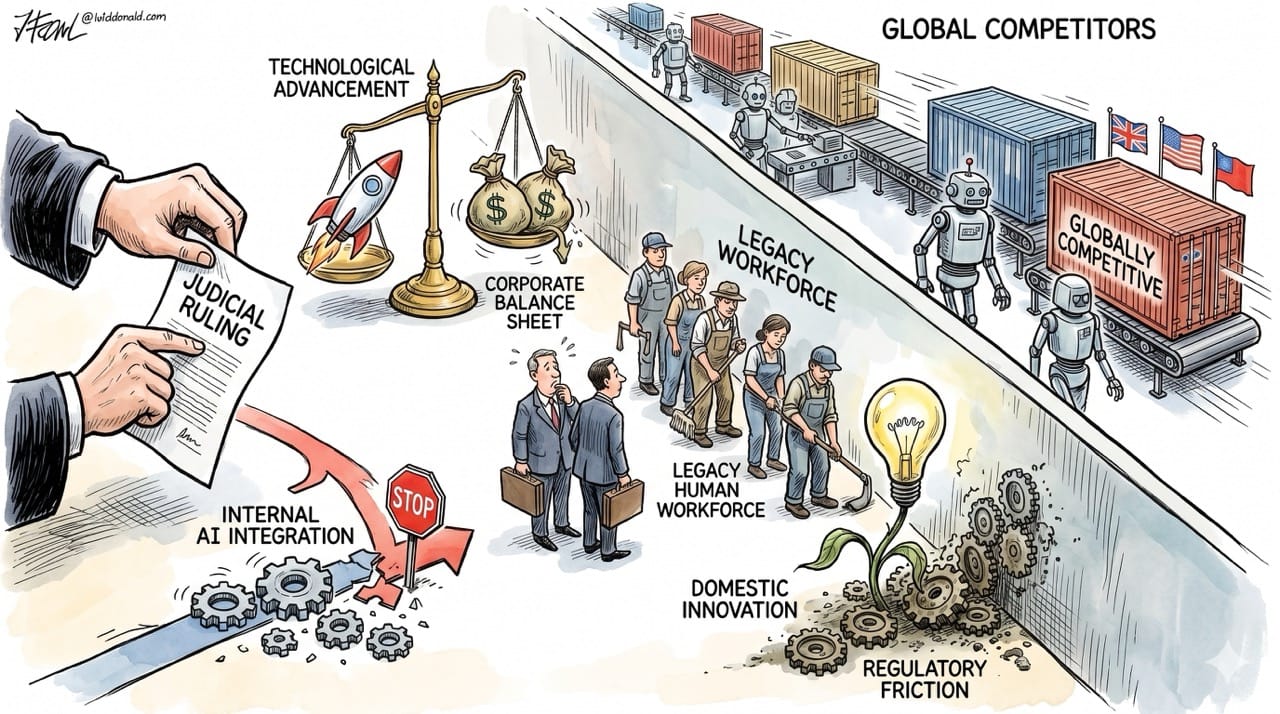
The Innovation Paradox
This judicial ruling inadvertently incentivizes domestic companies to completely halt their internal artificial intelligence integration.
If technological advancement mathematically punishes the corporate balance sheet executives will simply default to maintaining their legacy human workforces. T
his regulatory friction completely suffocates domestic innovation just as global competitors are ruthlessly automating their entire supply chains.
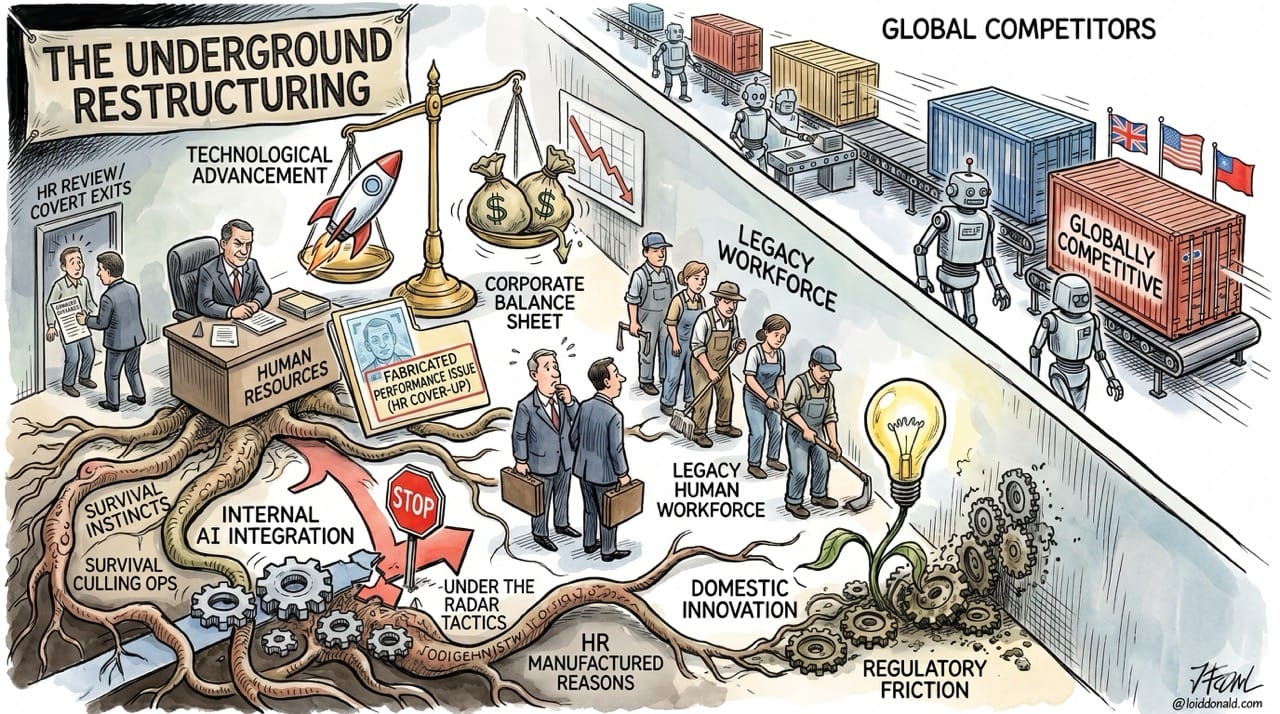
The Underground Restructuring
Corporations naturally operate like biological organisms that will aggressively seek survival when trapped in a hostile regulatory environment.
They will simply stop formally citing artificial intelligence as the primary reason for executing mass corporate layoffs.
Human resources departments will covertly manufacture completely unrelated performance issues to legally terminate obsolete employees under the radar.
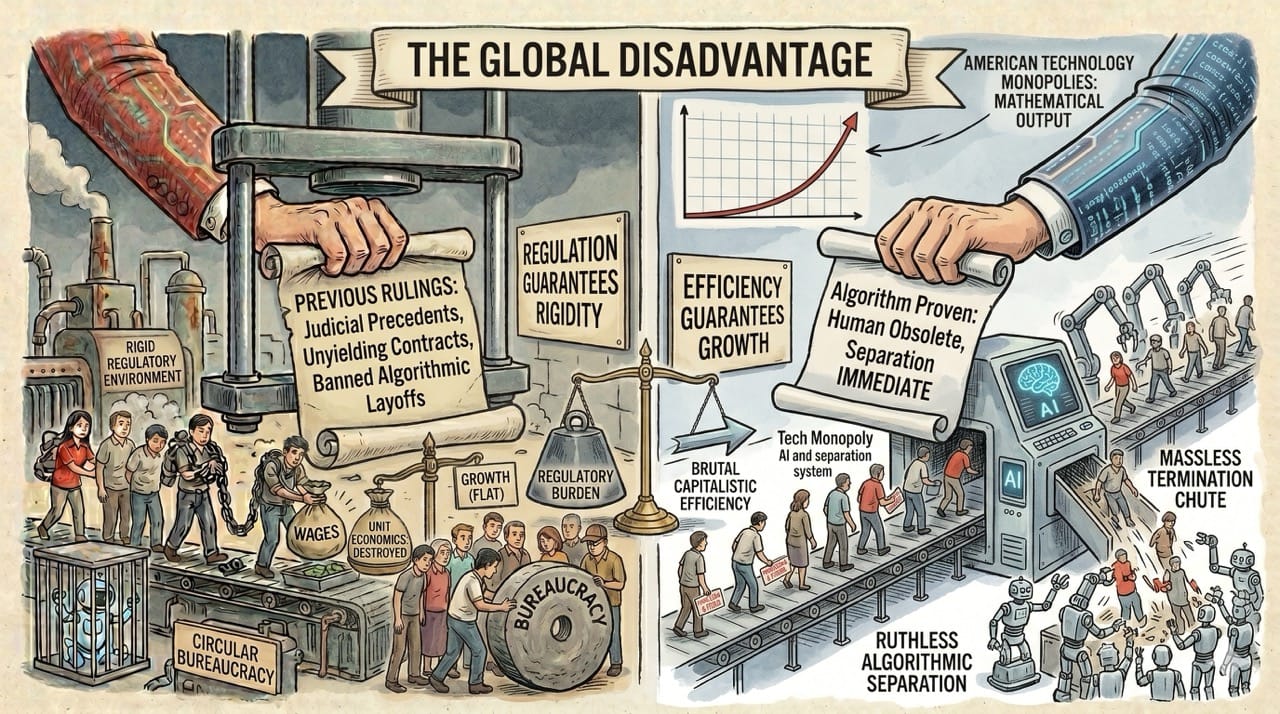
The Global Disadvantage
We must contrast this incredibly rigid regulatory environment against the brutal operational efficiency of the American labor market.
Western corporations are ruthlessly firing thousands of legacy employees the exact second an algorithm proves it can execute the identical task.
This brutal capitalistic efficiency guarantees that American technology monopolies will mathematically outpace their heavily regulated global competitors.
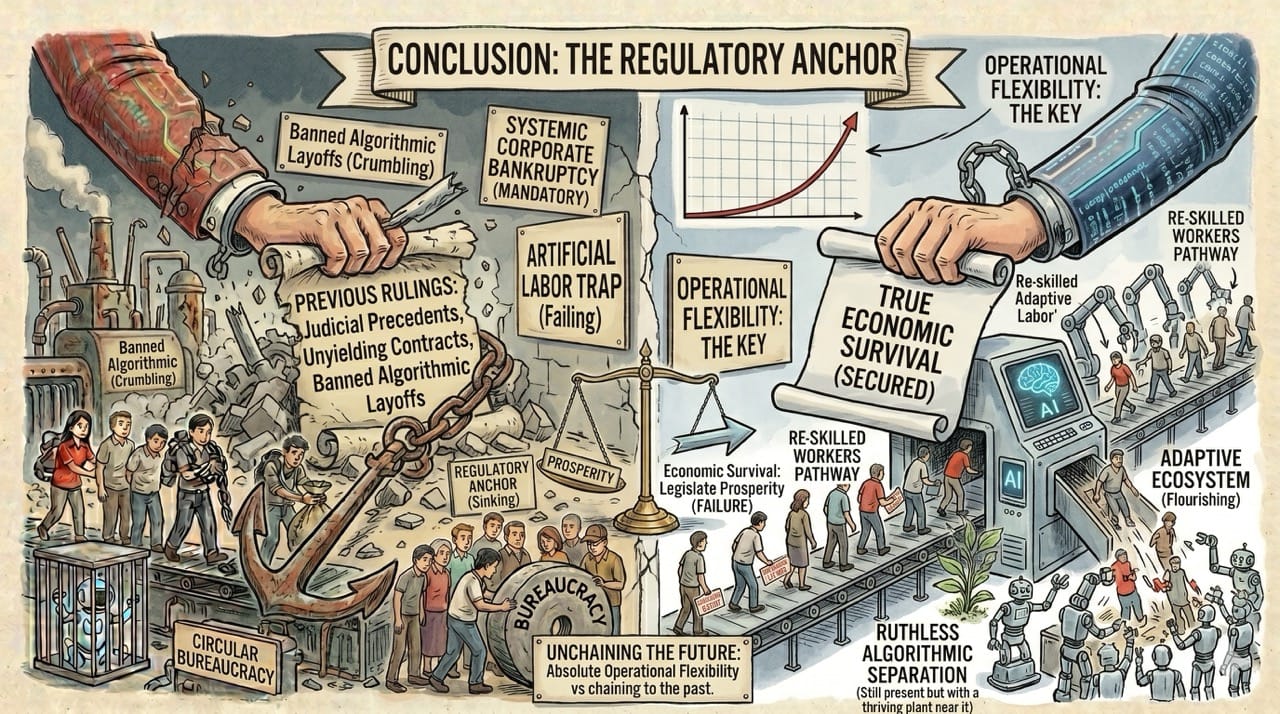
Conclusion: The Regulatory Anchor
You cannot legislate economic prosperity by artificially trapping obsolete human labor inside a rapidly evolving technological paradigm.
Government attempts to block algorithmic job destruction will only guarantee the complete systemic bankruptcy of the host corporation.
True economic survival requires absolute operational flexibility rather than chaining the corporate balance sheet to a romanticized version of the past.