Kraken Robotics: The Canadian Pride in the Making
We assume the future of autonomous warfare is happening entirely in the sky with aerial drone swarms. In reality the most critical defense infrastructure of the next decade is quietly being built deep underwater by an emerging Canadian monopoly.
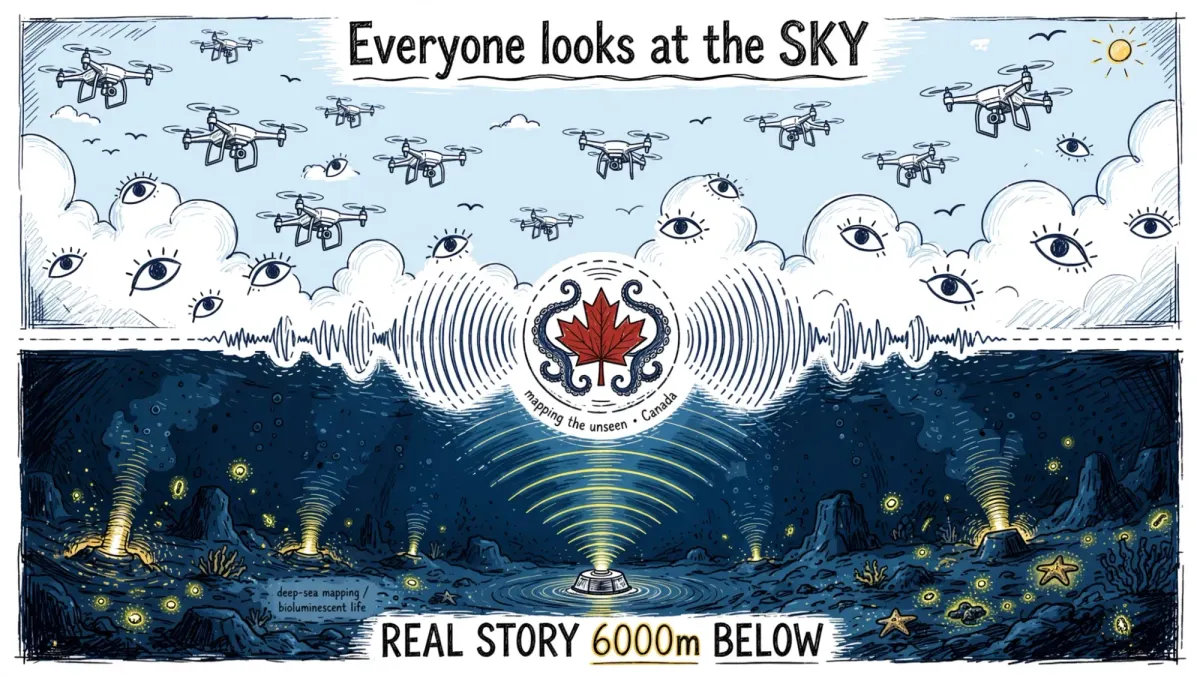
Everyone is looking at the sky for the next Anduril. The real compounding story is happening 6,000 meters below it.
For the last decade, the ocean was too hard, too expensive, and too analog to matter to venture.
That just flipped. AUKUS Pillar 2, seabed warfare, cable and pipeline security, and autonomous mine countermeasures have turned the seafloor into a strategic domain.
Anduril didn't create that market alone, it just proved that uncrewed maritime systems can scale. Every one of those systems needs the same two things: eyes that can see, and a battery that can last.
That's Kraken Robotics.
Who Actually Is Kraken?
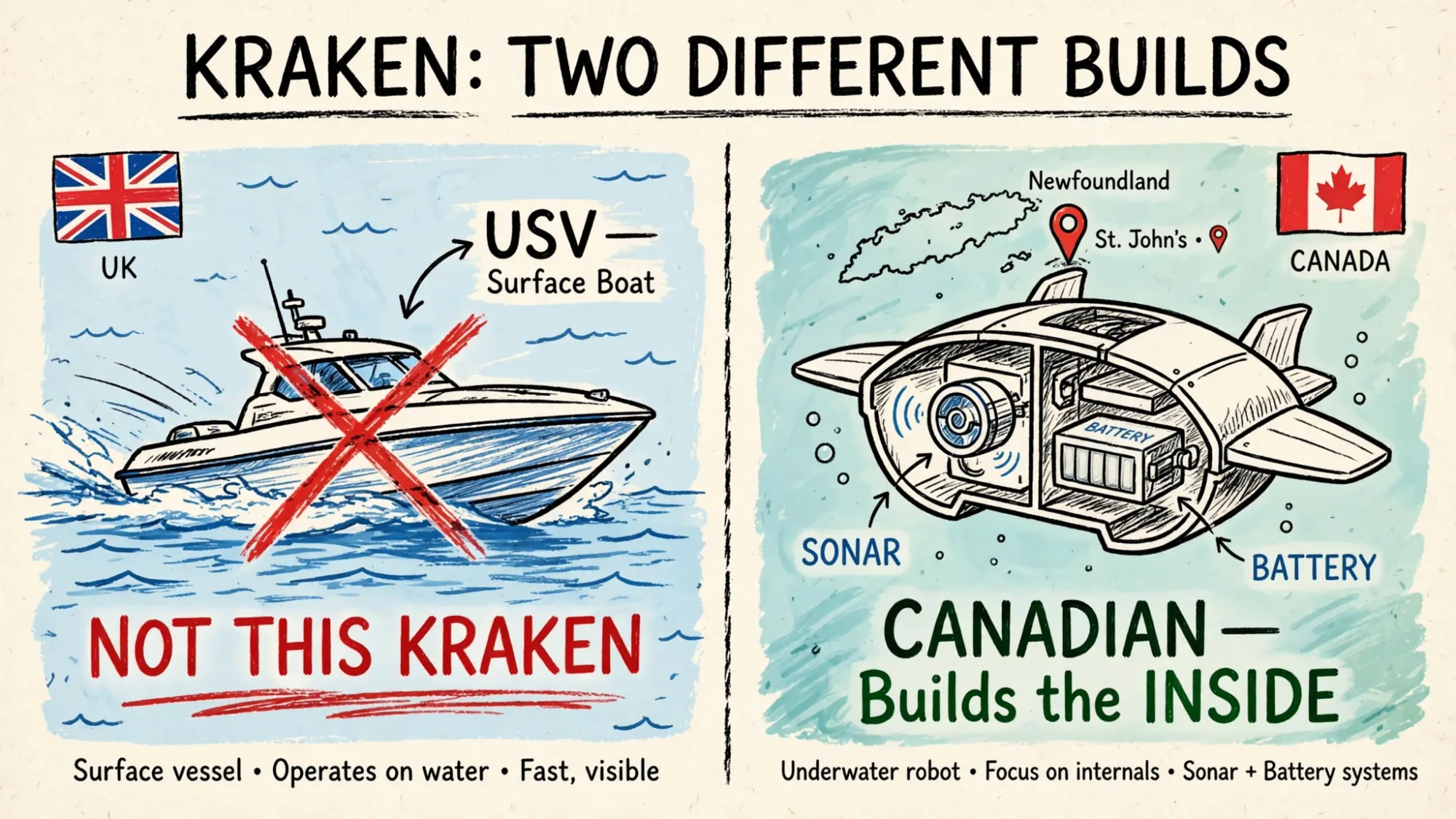
Not to be confused with Kraken Technology Group in the UK building fast USVs.
This Kraken is Canadian, St. John's, Newfoundland based, and it builds the inside of the robot, not the hull.
Kraken Robotics Inc. (TSX-V: PNG, OTCQB: KRKNF) is a dual-use subsea intelligence company.
Products are Synthetic aperture sonar (SAS), Underwater LiDAR systems, Subsea batteries. Revenue was CA$91.3 million in 2024 and $102.2 million in 2025, with 2026 standalone guidance of $165M to $175M before acquisitions.
Three layers matter:
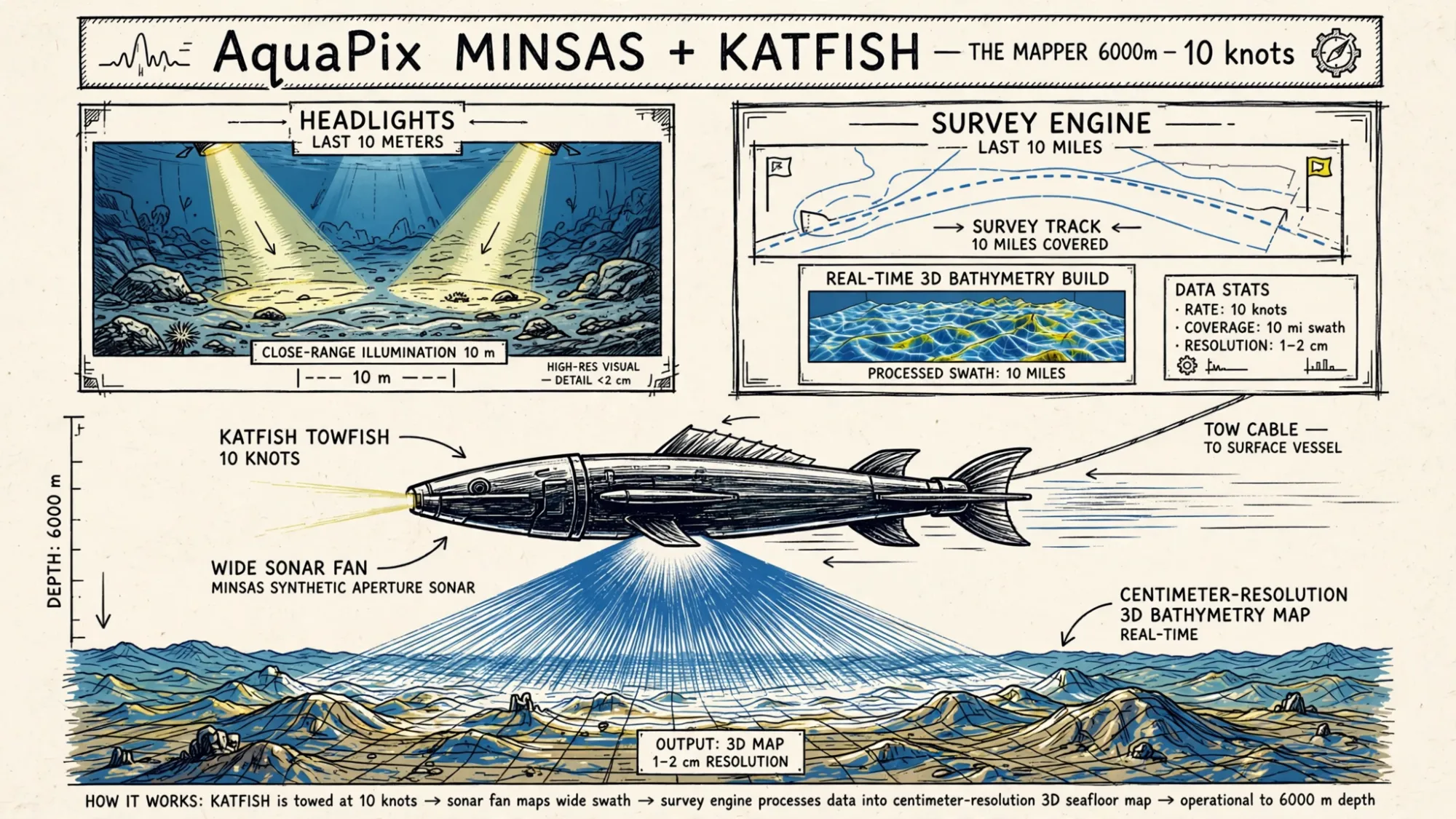
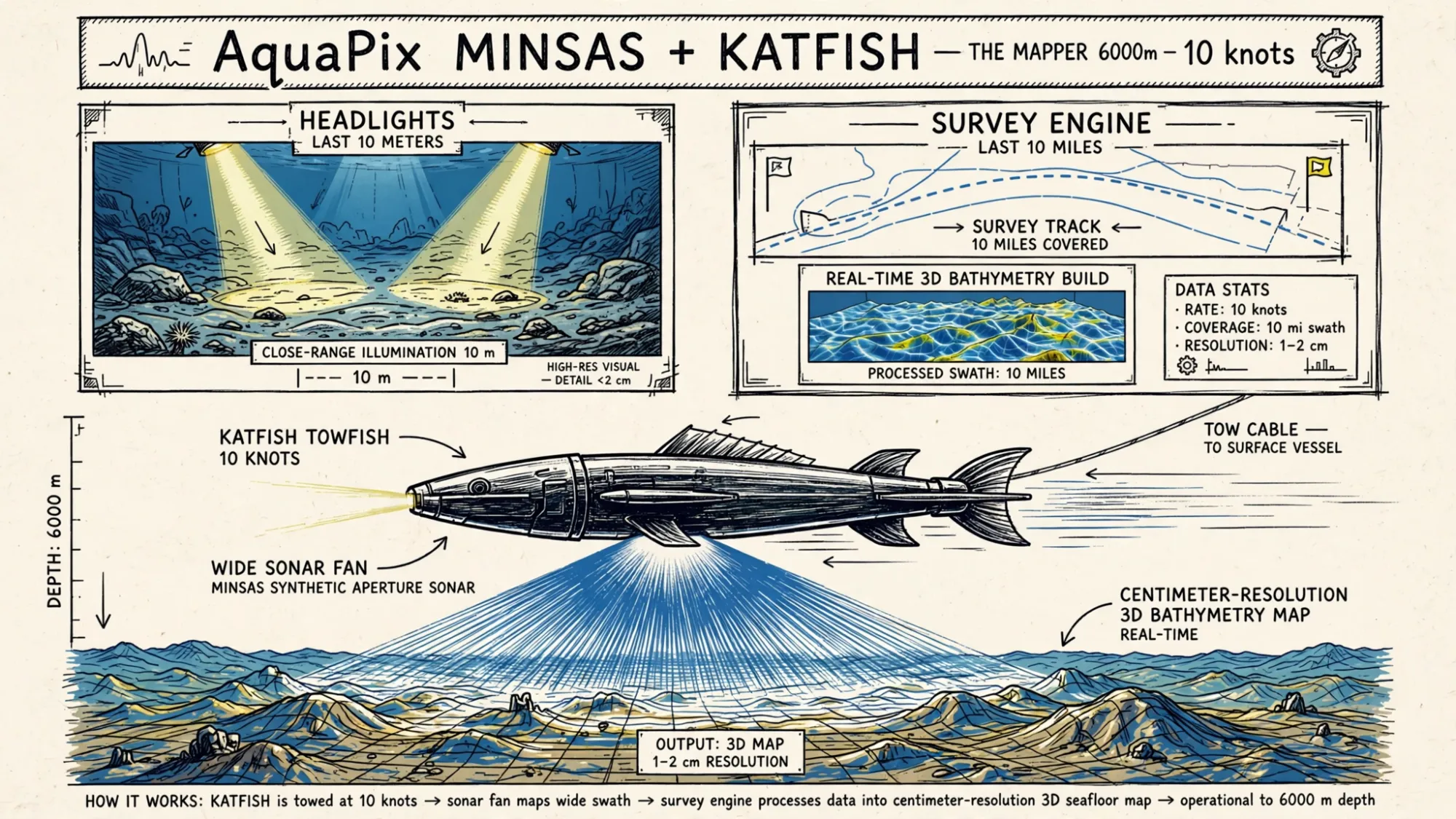
1. AquaPix® MINSAS + KATFISH™ (The Mapper)
Modular synthetic aperture sonar rated to 6,000m for high-res seabed imagery and 3D bathymetry, packaged into KATFISH™, a high-speed, actively stabilized towfish that flies at up to 10 knots for massive area coverage rates. Add-ons: SeaVision® 3D laser, Sub-Bottom Imager, Acoustic Corer. This is long-range, centimeter-resolution mapping. If Coda Octopus is the headlights for the last 10 meters in zero visibility, Kraken is the survey engine for the last 10 miles.
2. SeaPower™ (The Battery).
Pressure-tolerant, subsea batteries described as 46 percent lighter than traditional pressure-housed batteries and operating at depths of 19,600 feet. Highest energy density on the market for subsea applications. This is the endurance layer. An XL-AUV without SeaPower is a short-range drone. With it, it's a 10-day asset.
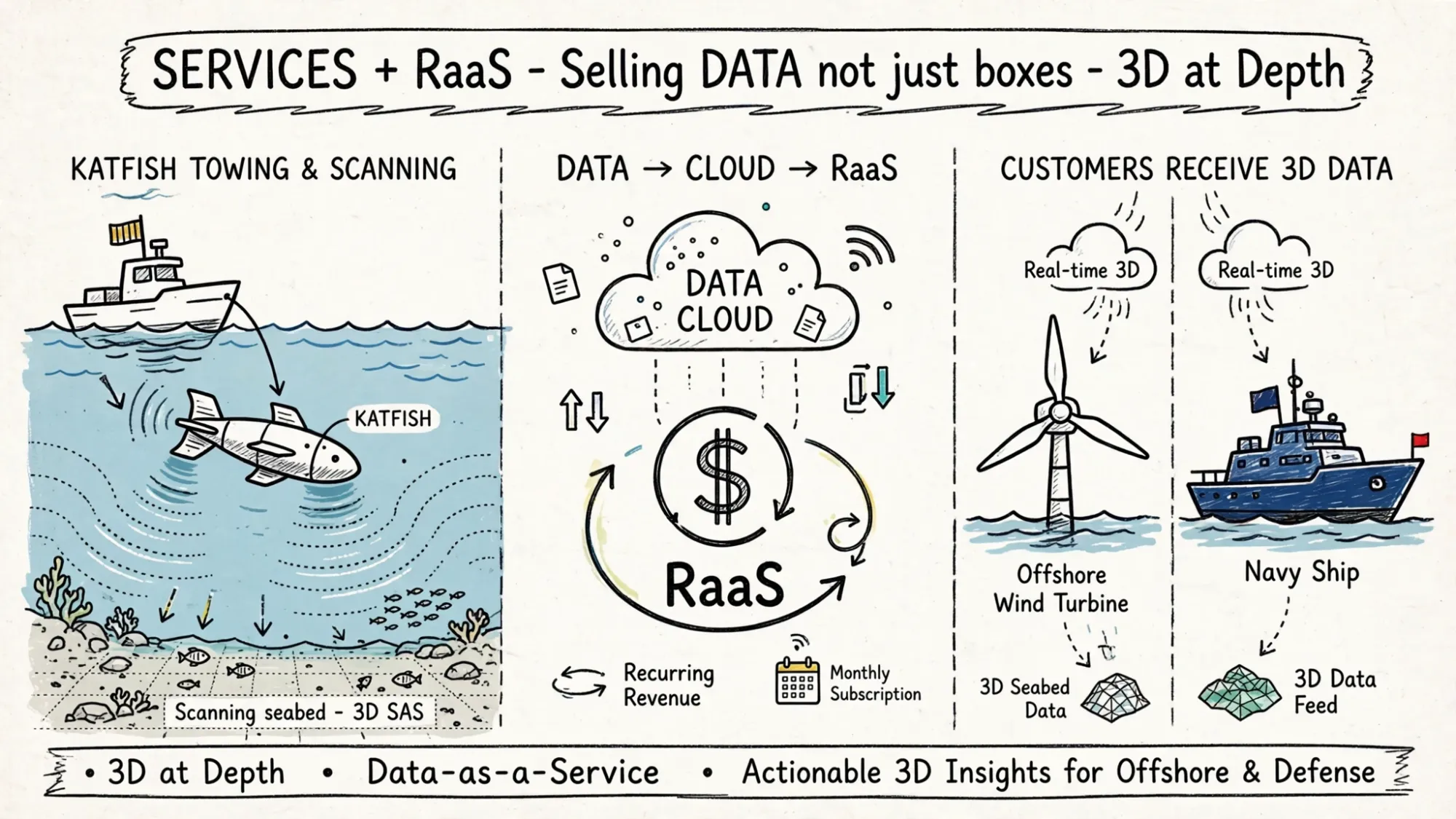
3. Services + RaaS.
Kraken doesn't just sell boxes. It sells data through its subsea services division, now boosted by the acquisition of 3D at Depth in 2025. Recurring, higher-margin, and a direct channel to offshore energy and defense customers.
Why The Maritime Robotics Boom Is Finally Real
For years, UUVs were science projects. Three things changed:
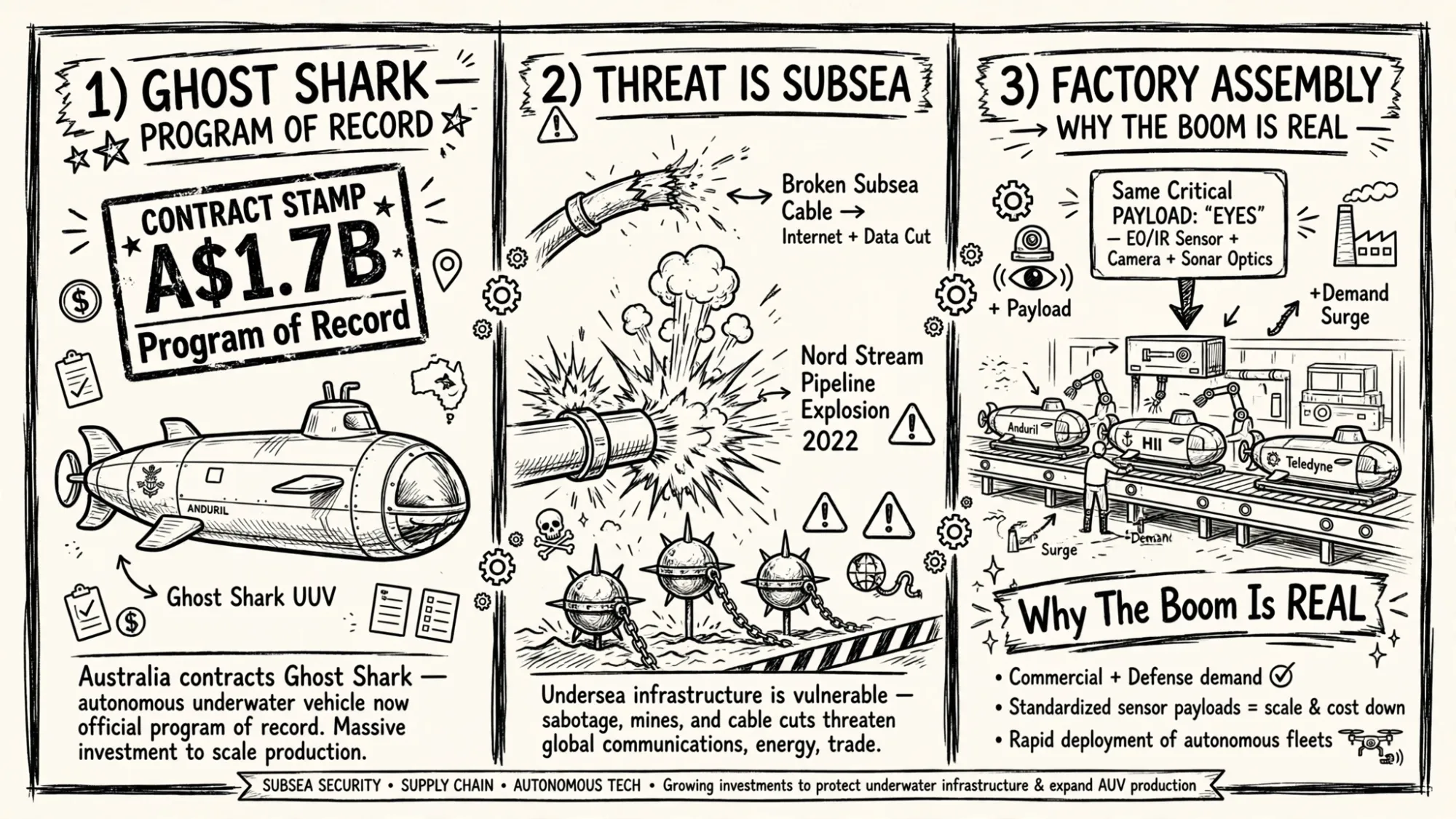
- Programs of record exist. Ghost Shark XL is not a prototype, it's structured around a roughly A$1.7 billion contract with the Royal Australian Navy.
- The threat is subsea. Nord Stream, Baltic cables, minefields in the Black Sea, navies now need persistent eyes on infrastructure. Towed SAS and resident UUVs are the only affordable way to do it.
- Manufacturing is solved by others. Anduril, Huntington Ingalls, Teledyne Marine, Terradepth, they build the trucks. They all need the same payload.
Kraken is already the public proxy for that supply chain. It's held inside the Defiance Drone & Modern Warfare ETF (JEDI) as The Subsea Anduril Play, a company that supplies pressure-tolerant subsea batteries and synthetic aperture sonar to Anduril's underwater drone programs.
Growing WITH Anduril, Not Against It
This is the key mental model we get wrong with small defense tech.
Kraken is not competing with Anduril for the Ghost Shark program.
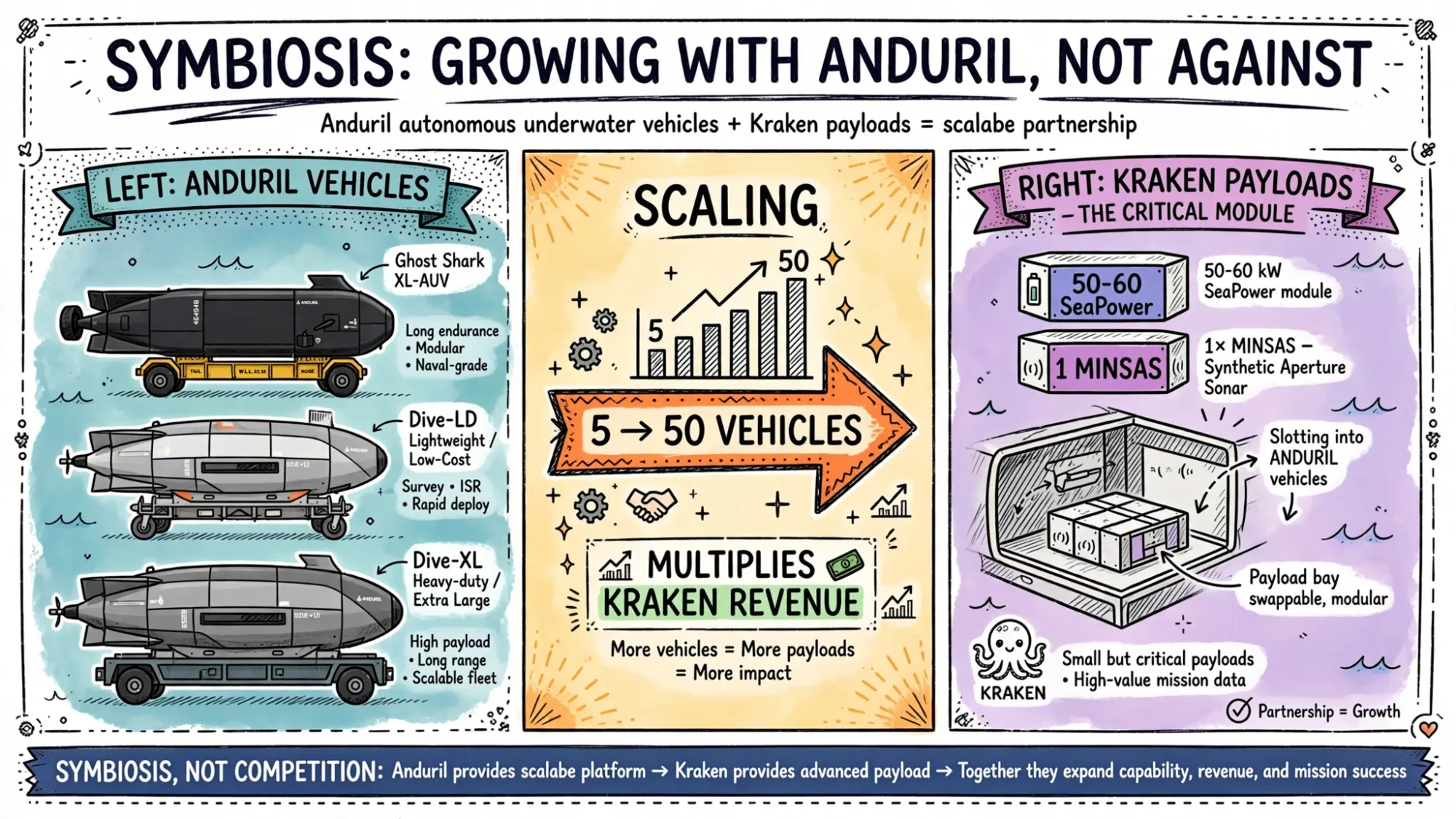
Kraken's batteries and sensor technologies are used in Anduril's GhostShark, Dive-LD, and Dive-XL unmanned, underwater drones.
The company's partnership with Anduril Industries has become a potential game-changer,
Kraken provides key sonar and energy systems for Anduril's Dive-LD and Ghost Shark autonomous underwater vehicles, positioning itself as a strategic enabler.
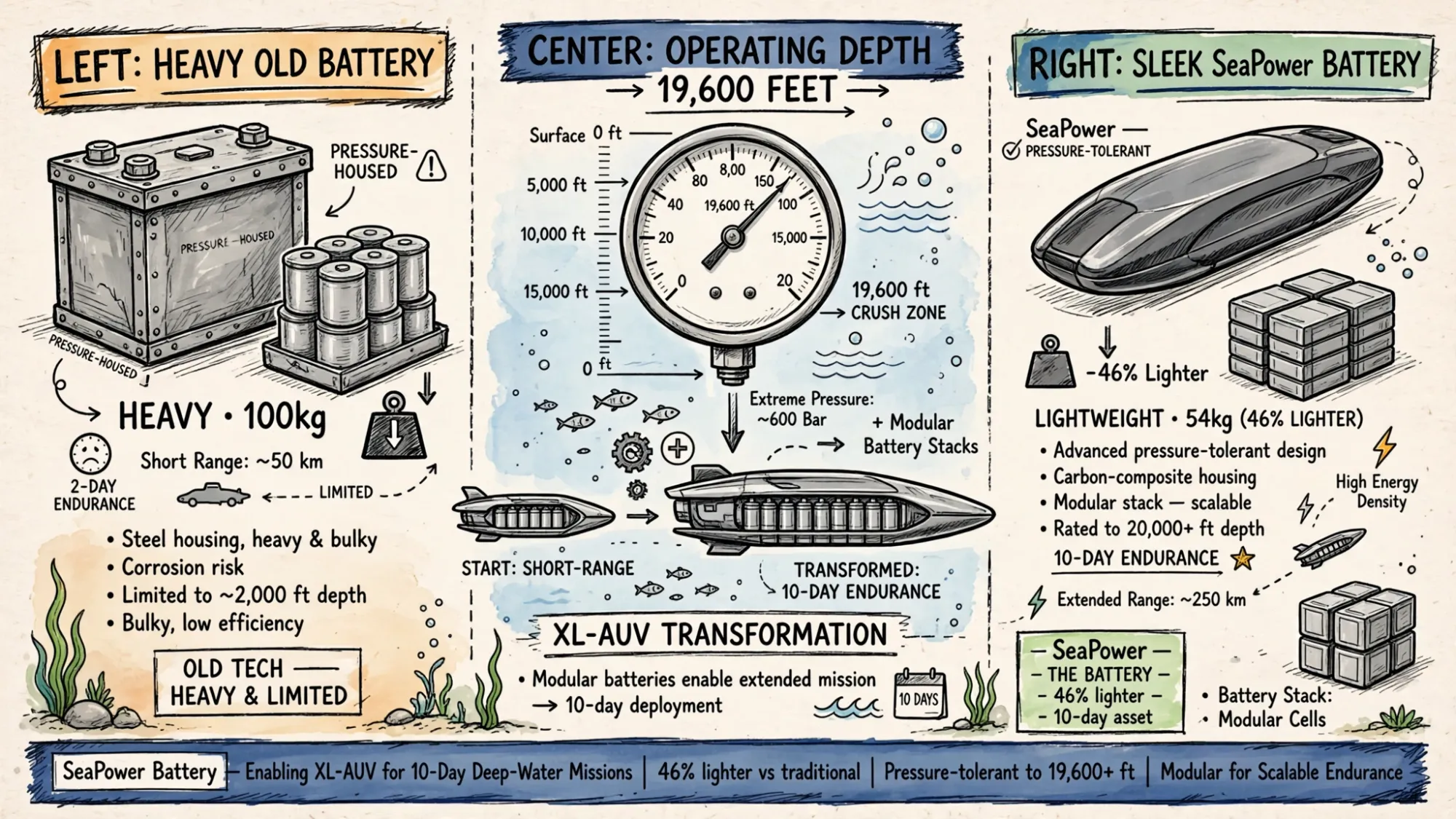
Anduril builds Lattice, autonomy, and mass manufacturing. Kraken builds the content per vehicle that Anduril doesn't want to vertically integrate.
Each Dive-LD/XL/Ghost Shark takes 50-60 SeaPower modules and one MINSAS. If Anduril scales from 5 Ghost Sharks to 50, Kraken's revenue scales with it, without Kraken having to win a prime contract.
Same logic applies to The Ocean Company (Ulysses) building $50k Mako AUVs, to Kongsberg, to HII. Low-cost, high-volume AUV fleets need more efficient sonar and batteries per dollar, not less.
Recent orders prove it: ∼$28 million in new orders for SeaPower and SAS in April 2026 to five clients including three large international defence companies and a new commercial UUV manufacturer, plus $12M and $13M batches to NATO navies, Teledyne and Terradepth in late 2025.
From Newfoundland to Global Prime
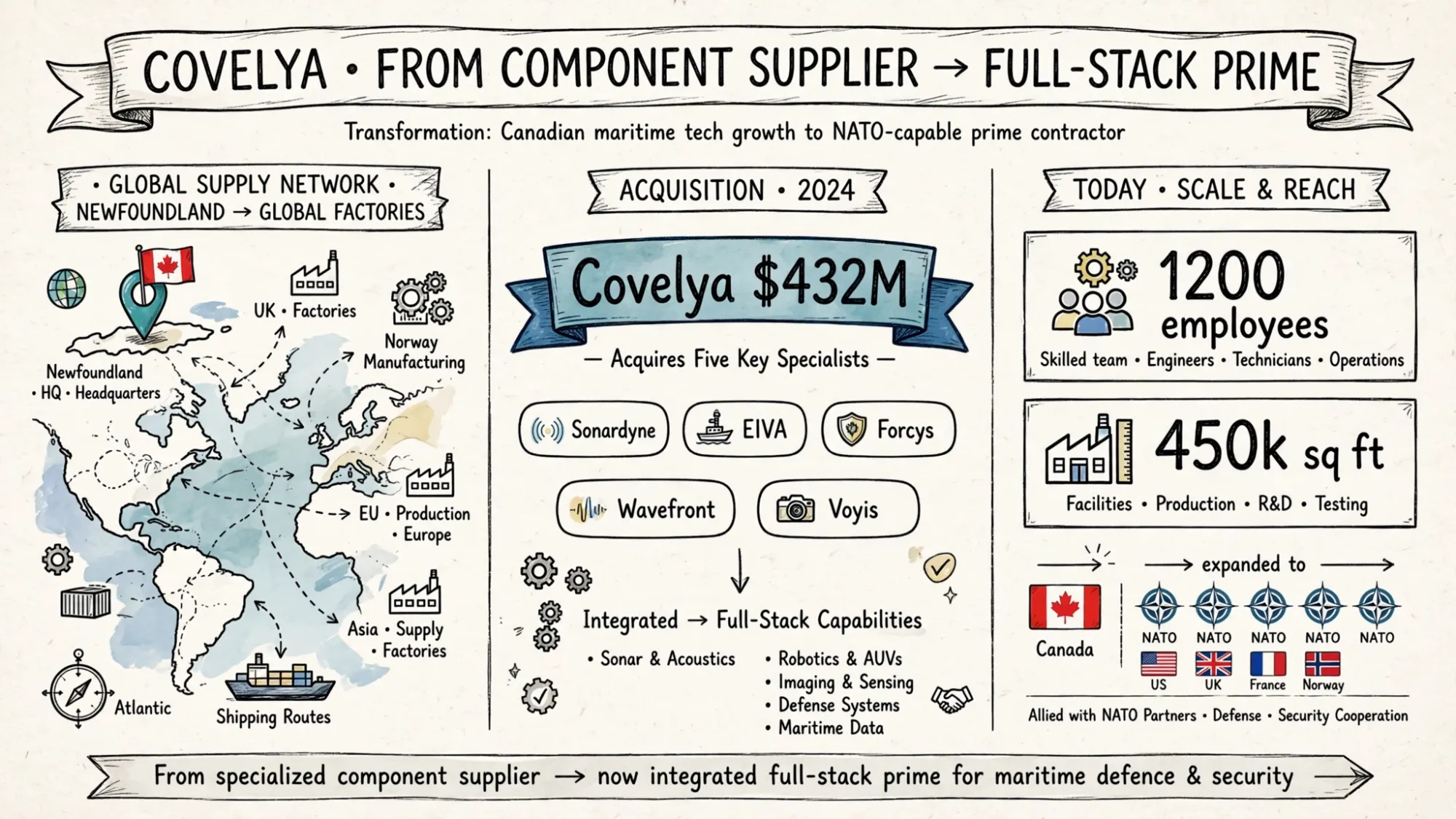
What changed in 2026 is scale. On March 3, 2026, Kraken announced it would acquire Covelya Group Limited for around $432 million USD ($615 million CAD), a leading international provider of mission-critical underwater technology solutions operating through its subsidiary companies: Sonardyne International Ltd., EIVA A/S, Forcys Ltd., Wavefront Systems Ltd., Voyis Imaging Inc.
Upon closing, the combined company will have ∼1,200 employees and over 450,000 sq ft of production globally, spanning sonar, navigation, positioning, imaging, power, communications, monitoring, and data analytics.
This transforms Kraken from a best-in-class component supplier to a full-stack subsea intelligence prime, built in Canada, selling to NATO.
Why We Call It Canadian Pride
Canada has never had a true defense prime at the scale of Anduril or Palantir. It has had component champions that get acquired too early.
Kraken is different. It has:
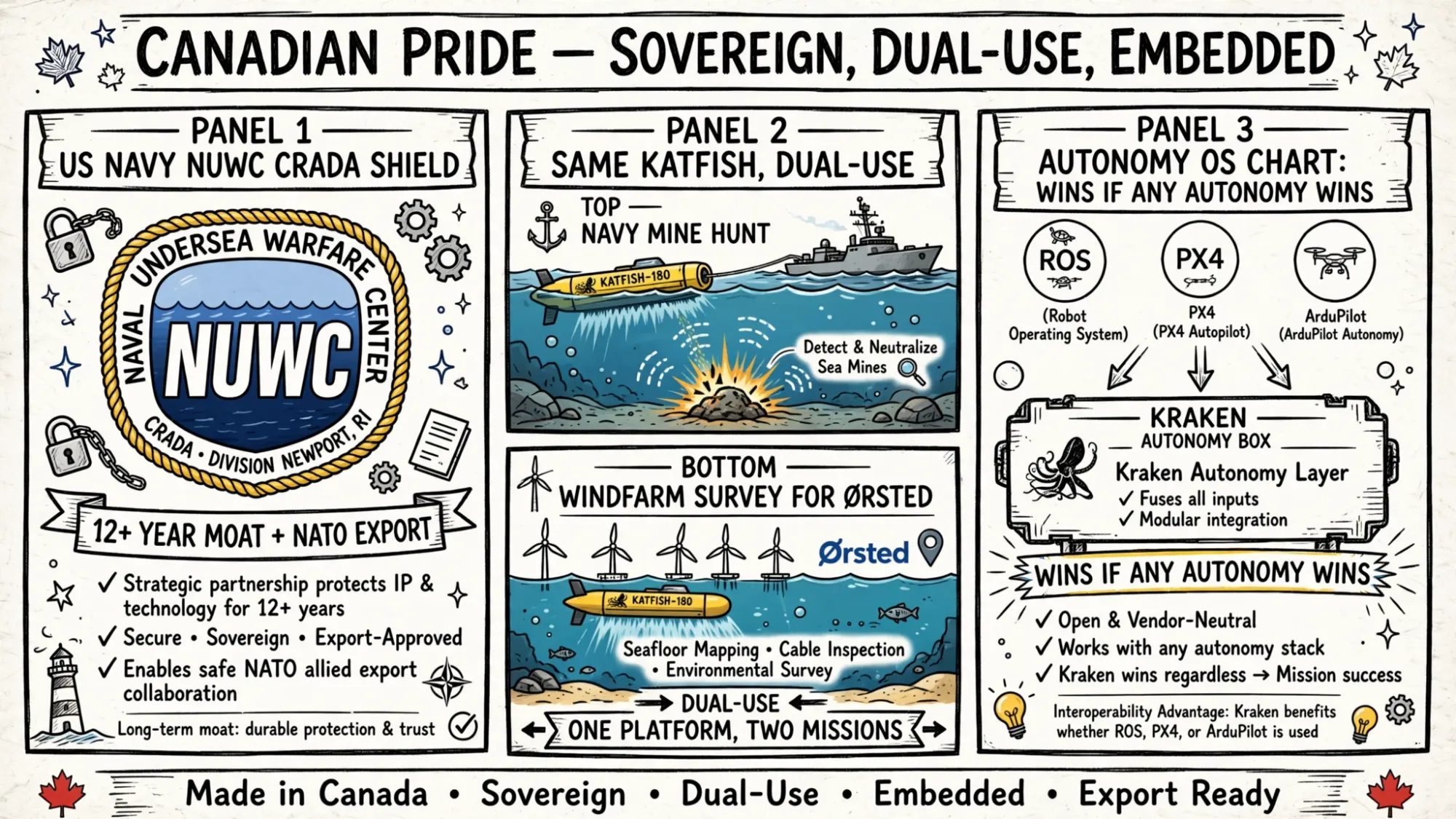
- A sovereign moat: 12+ year CRADA with US Navy NUWC on SAS beamforming, NATO export approvals, and manufacturing in North America and UK.
- Dual-use economics: Same KATFISH that hunts mines for a navy surveys a windfarm for Ørsted.
- Embedded growth: It doesn't need to win the autonomy OS war. It wins if any autonomy OS wins.
If underwater capex increases, and with Ghost Shark, Replicator, and AUKUS, it will, institutions need a liquid, public way to play it.
For years there was nothing. Now there is one name that shows up in every Anduril teardown, every mine warfare brief, and every offshore energy survey plan.
That name is Kraken Robotics. Built in St. John's. Powering the fleet that the world is about to build.