How WhatsApp Plus Risks Destroying Digital Simplicity: The Monetization of Attention
We assume the ultimate global messaging application will remain permanently free and beautifully simple forever. In reality Meta is launching a paid subscription tier that will completely destroy the minimalist architecture of the platform.
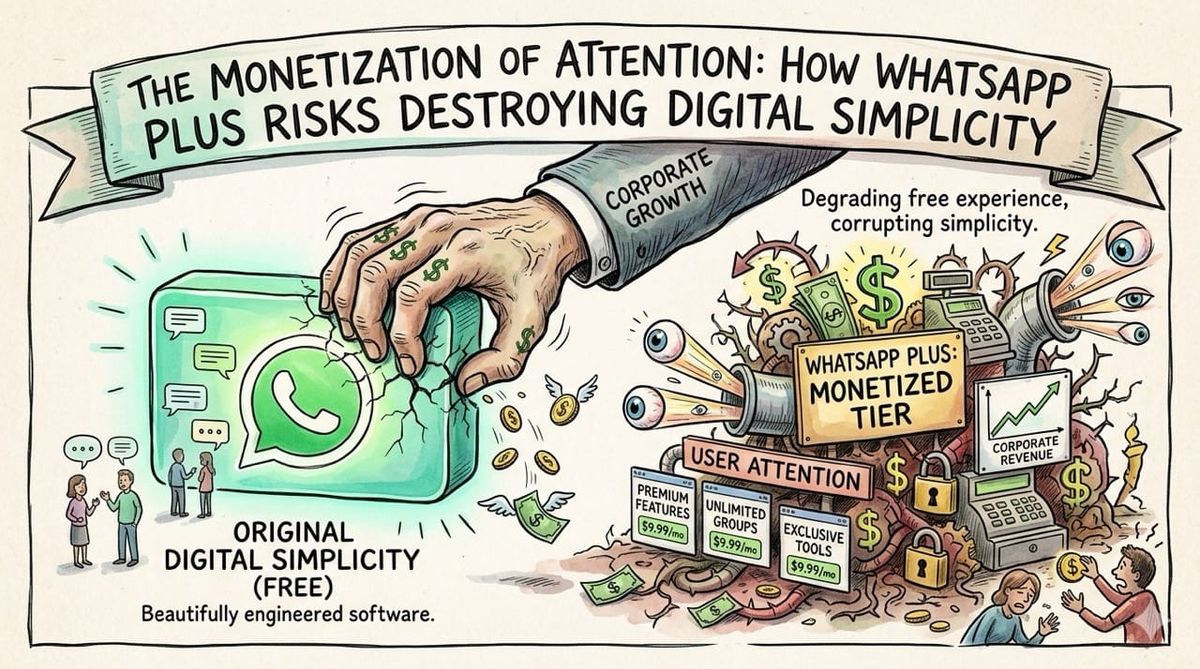
The introduction of a premium consumer tier signals a massive shift in global monetization strategy. The platform will inevitably degrade the free experience to force billions of users into a monthly recurring subscription.
Inspiration: Analyzing the recent beta patches revealing a paid consumer subscription called WhatsApp Plus. Realizing that the pursuit of infinite corporate growth eventually corrupts even the most beautifully engineered software.
The Premium Playground
WhatsApp Plus represents a newly discovered premium subscription tier designed specifically for everyday consumers rather than massive commercial enterprises. Recent beta software patches reveal this tier includes exclusive features like highly complex animated emojis and premium visual reactions.
Subscribers will gain access to specialized animated stickers with massive visual effects that completely dominate the chat interface.
This also aligns with paid stickers and other products that are popular on communication tools popular in Asia, such as WeChat, Zalo, and Line.
The Death of Simplicity
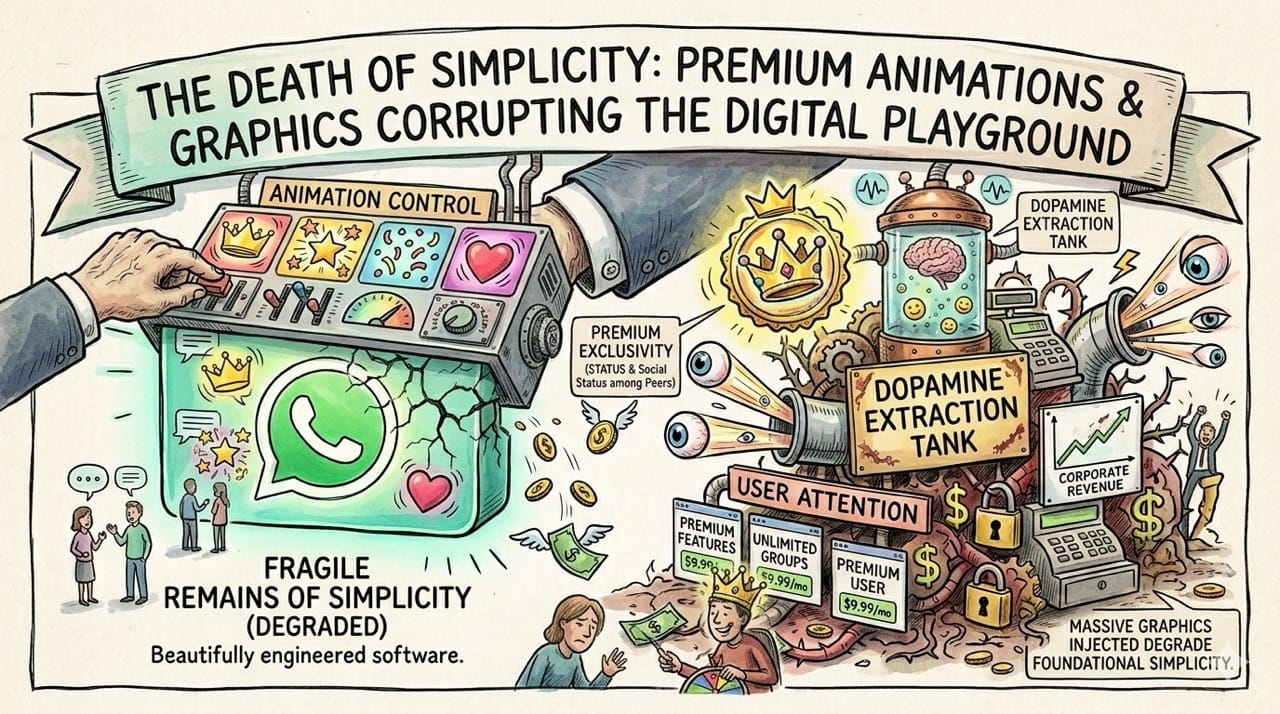
These premium animations technically grant the paying user a profound sense of digital exclusivity and social status among their peers.
However injecting massive colorful graphics into a previously minimalist interface will completely degrade the foundational simplicity of the application.
The pristine and highly efficient communication channel will rapidly transform into a cluttered digital playground optimized strictly for dopamine extraction.
The Advertising Trojan Horse
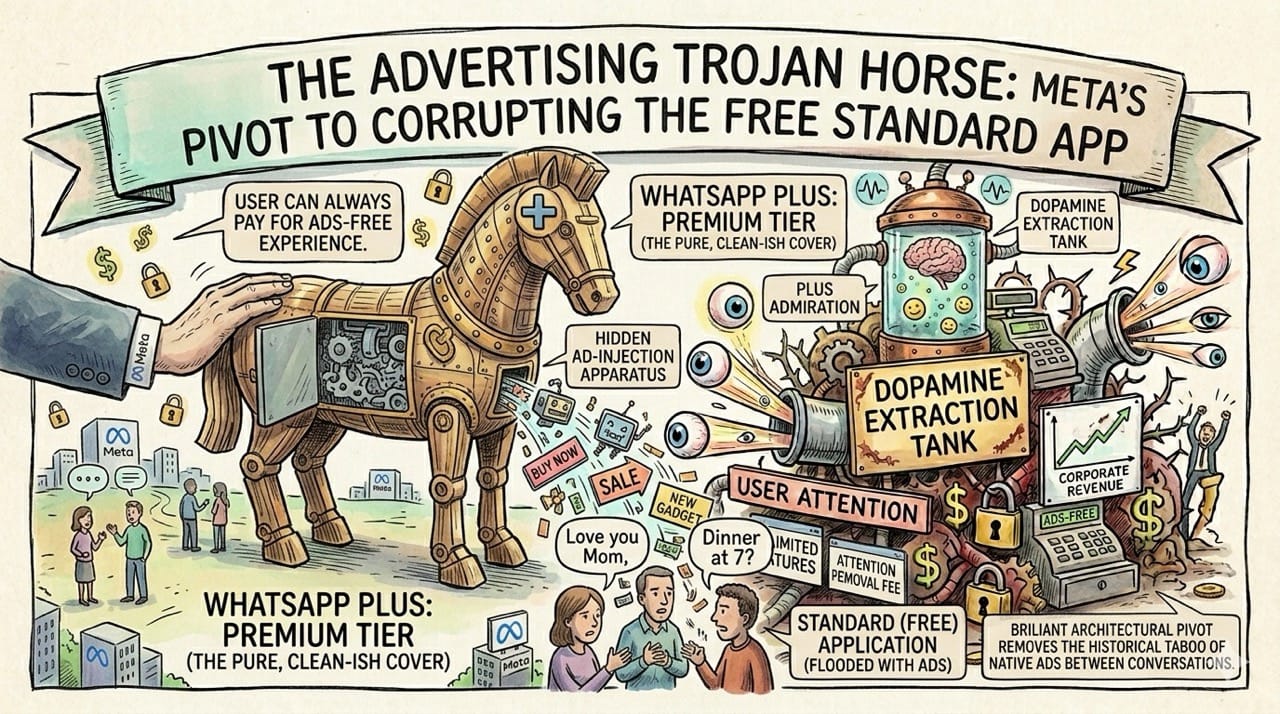
Introducing a paid consumer tier creates the perfect psychological cover for Meta to finally inject massive advertising into the free version.
The corporation can now flood the standard application with commercial interruptions while claiming users always have the option to pay for an ad free experience.
This brilliant architectural pivot completely removes the historical taboo of placing native advertisements directly between your most intimate family conversations.
The Geographic Arbitrage
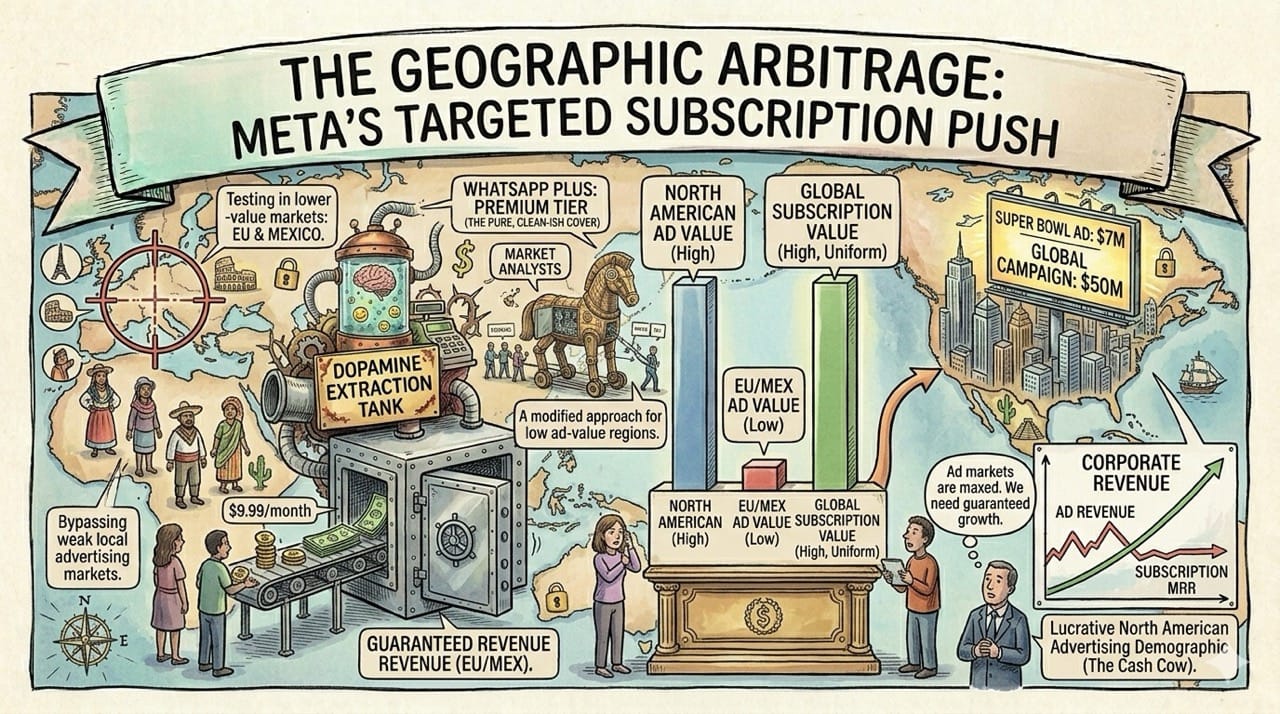
Initial reports indicate this premium feature is being aggressively tested across specific regions like the European Union and Mexico.
These specific geographic markets historically generate a significantly lower lifetime customer value compared to the highly lucrative North American advertising demographic.
Forcing a direct monthly subscription completely bypasses the weak local advertising markets and generates guaranteed revenue from these massive consumer populations.
The Corporate Distinction
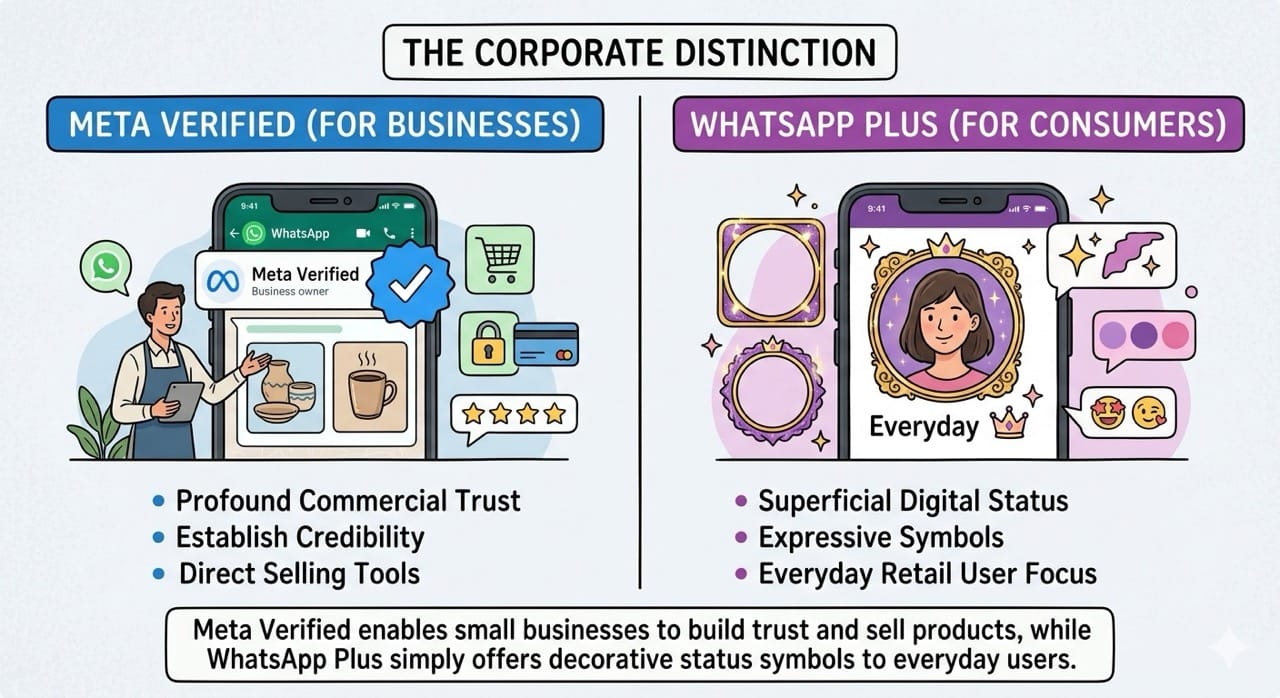
We must perfectly distinguish this new consumer subscription from the existing Meta Verified product designed specifically for corporate accounts.
Verified badges allow small businesses to establish profound commercial trust and actively sell products directly within the application architecture.
WhatsApp Plus serves an entirely different psychological function by simply offering superficial digital status symbols to the everyday retail user.
The Saturation Problem
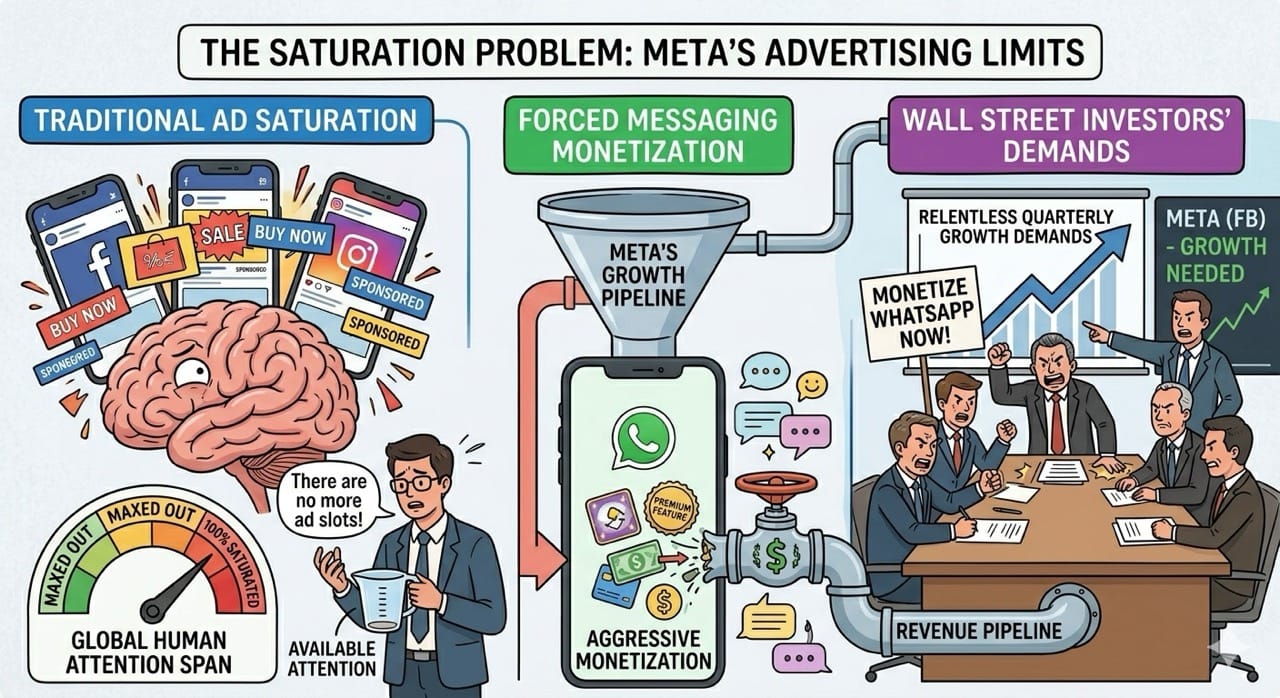
As performance marketers, we should recognize that Meta is currently facing severe global limitations regarding traditional advertising expansion.
The total available human attention span on their core social networks has officially reached absolute mathematical saturation.
They are forced to aggressively monetize this untapped messaging application simply to satisfy the relentless quarterly growth demands of Wall Street investors.
The Ransom of Attention
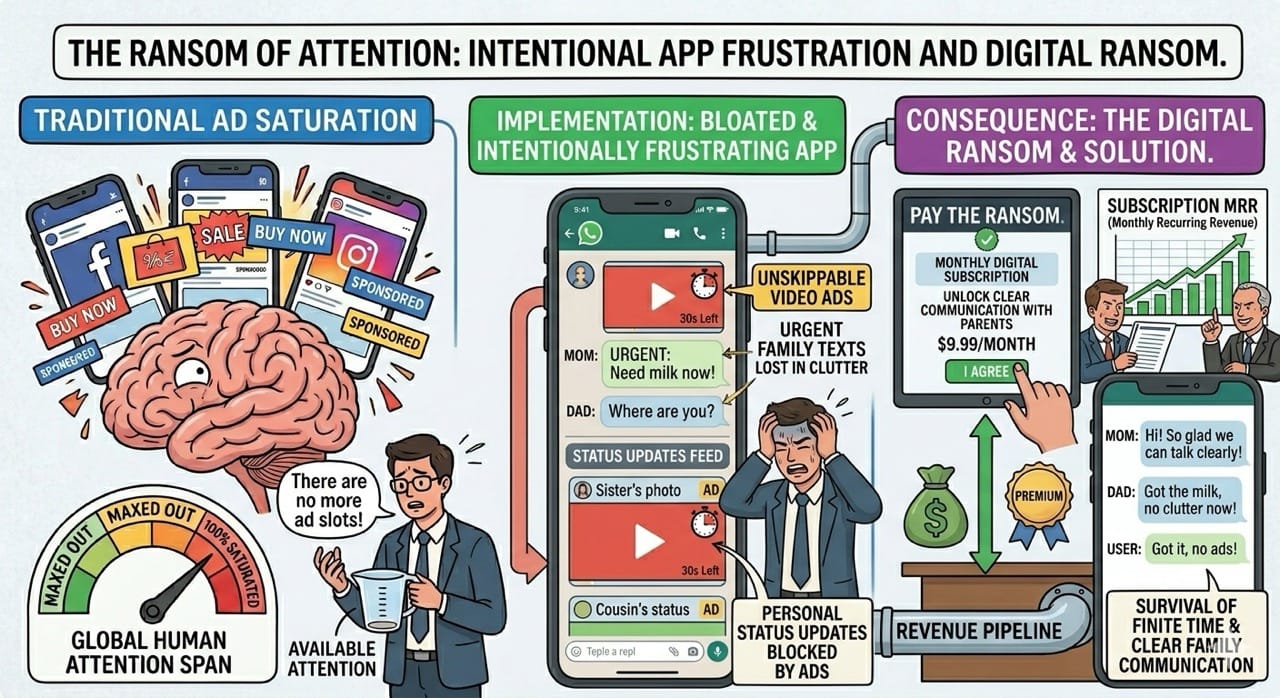
In the immediate future, the free version of the application will probably slowly become bloated and intentionally frustrating to operate.
We might even see massive unskippable video advertisements placed directly between your personal status updates and urgent family text messages.
The ultimate survival of your finite time will eventually require paying a monthly digital ransom just to communicate clearly with your own parents.
One thing I could suggest to the product team is that, if the video ads are inevitable, putting cannibalization concerns aside, WhatsApp's Status page can be re-imagined to showcase a feed.
Similar to how Zalo operates in Vietnam. Of course, with the better UX and design patterns of Meta products.