
How Foldable Phones Will Kill Short Form Content
We assume the endless scroll of vertical video is a permanent cultural shift. The rapidly expanding market share of foldable smartphones is about to completely destroy the vertical format and violently reorder the creator economy.
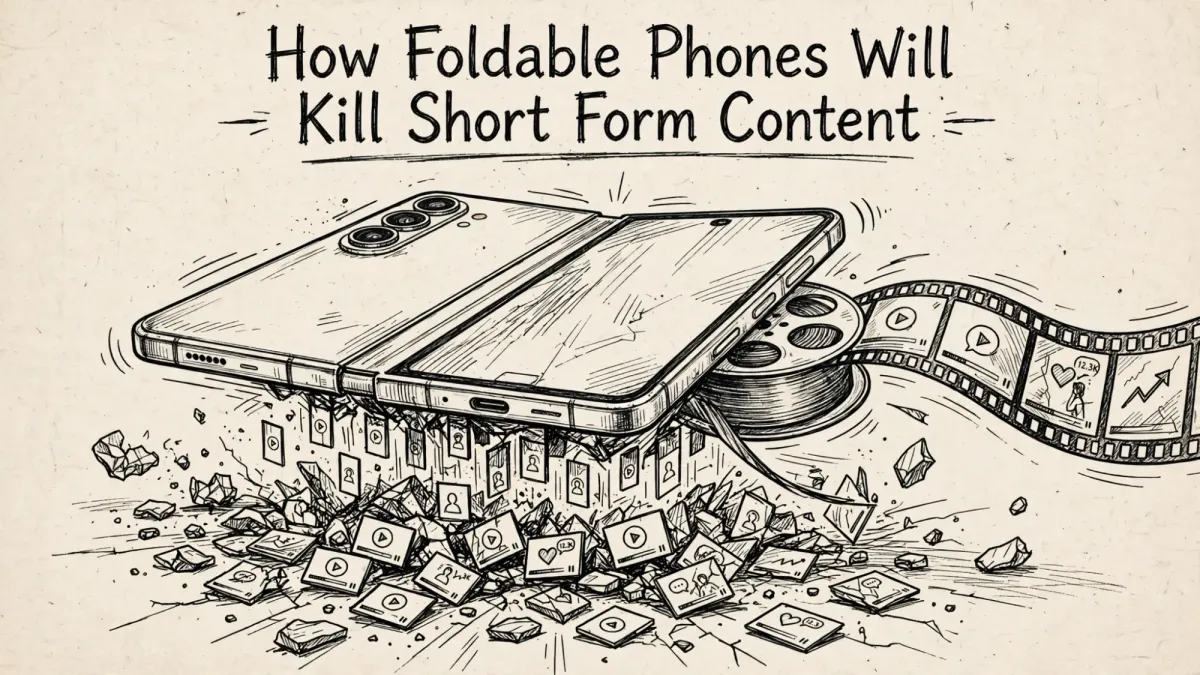
Hardware always dictates software. The death of the vertical screen means the death of the amateur creator and the glorious return of cinematic video.
Inspiration: Analyzing the physical aspect ratios of the Samsung Galaxy Z Fold and Google Pixel Fold. Realizing that the transition to square and horizontal screens will instantly break the distribution algorithms powering the modern short form content economy.
Disclaimer: I do not think the foldable evolution will happen. The form factor and the cost simplify does not make sense for mass market adoption. But, the major hardware companies will push for it anyhow, which will unavoidably hit te software players.
The Hardware Dictatorship
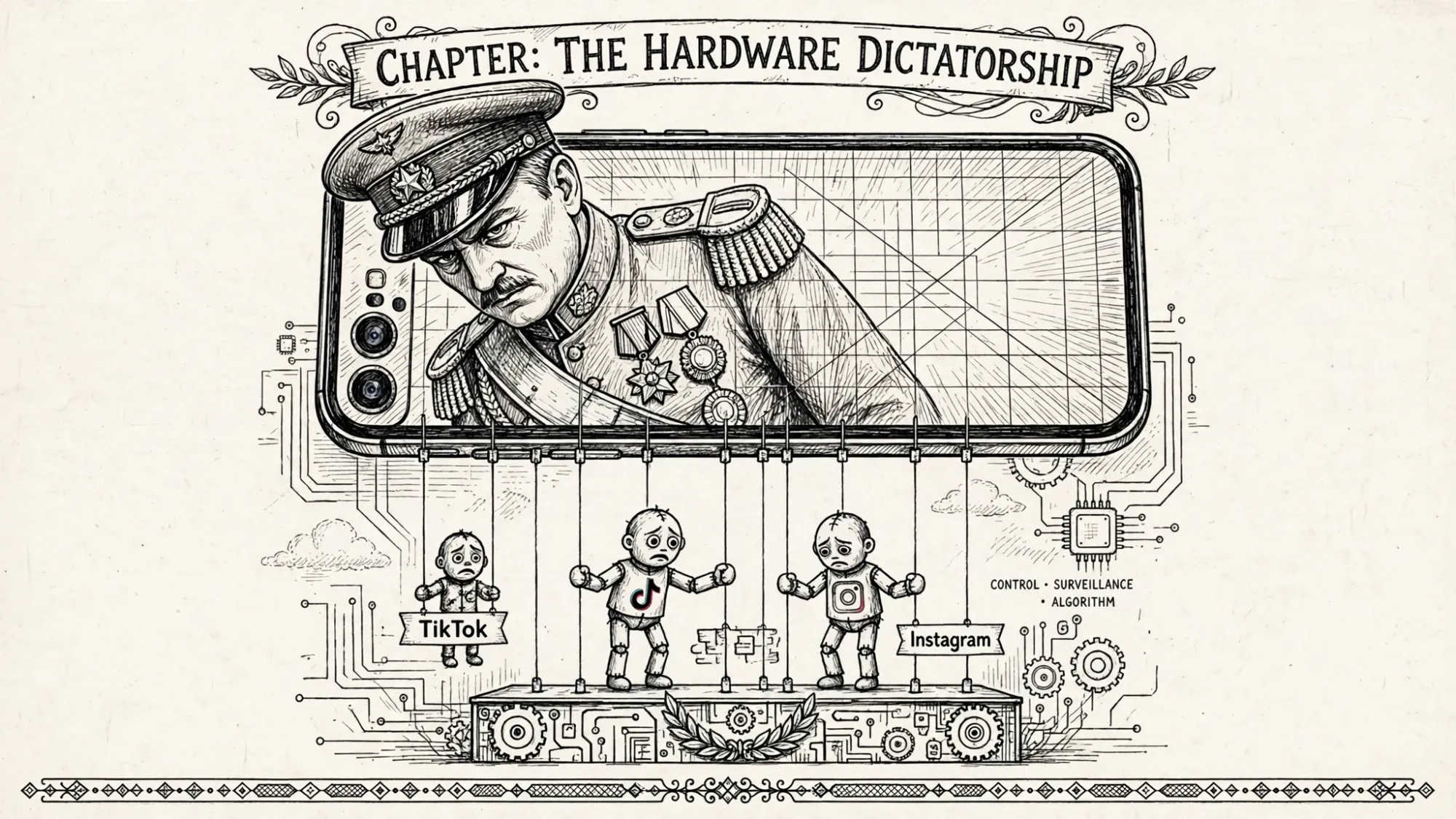
We often assume software platforms like TikTok and Instagram dictate consumer behavior.
The reality is that the physical hardware in your pocket actually dictates the boundaries of the software.
The explosive rise of short form vertical video only happened because hardware manufacturers universally standardized the nine by sixteen aspect ratio.
The entire modern creator economy is essentially built on top of a very specific and narrow piece of glass.
If you change the physical shape of that glass you instantly destroy the ecosystem built on top of it.
The Foldable Disruption
This is exactly why the rapidly accelerating adoption of foldable smartphones is a terrifying macroeconomic threat to short form creators.
Devices like the Galaxy Z Fold are aggressively capturing premium market share.
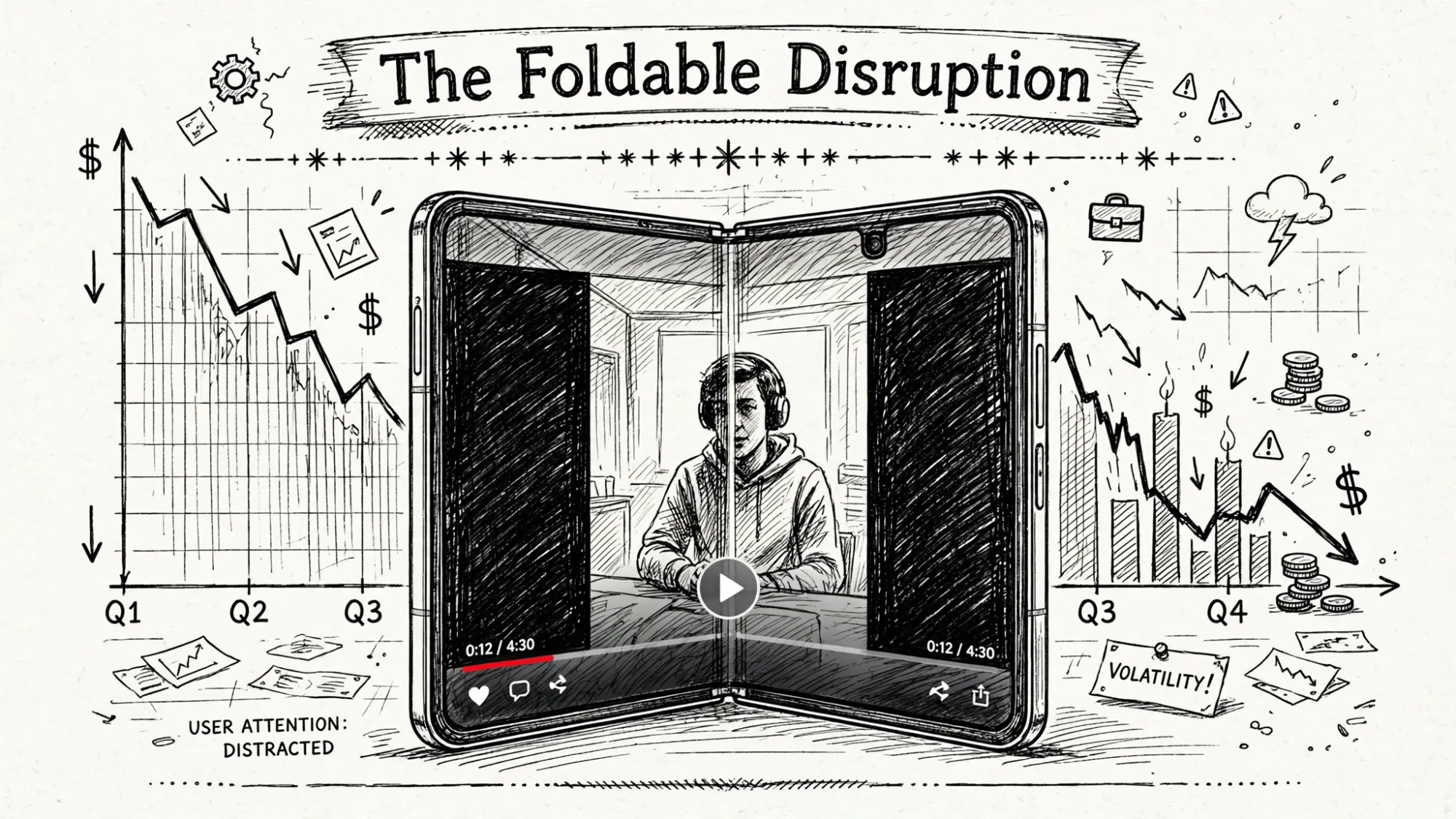
When you open a modern foldable device you are no longer holding a vertical rectangle.
You are holding a device with an internal aspect ratio that is nearly square or horizontally biased.
It physically cannot display a standard vertical video without rendering large and highly distracting black bars on either side of the content.
The Two Handed Tax
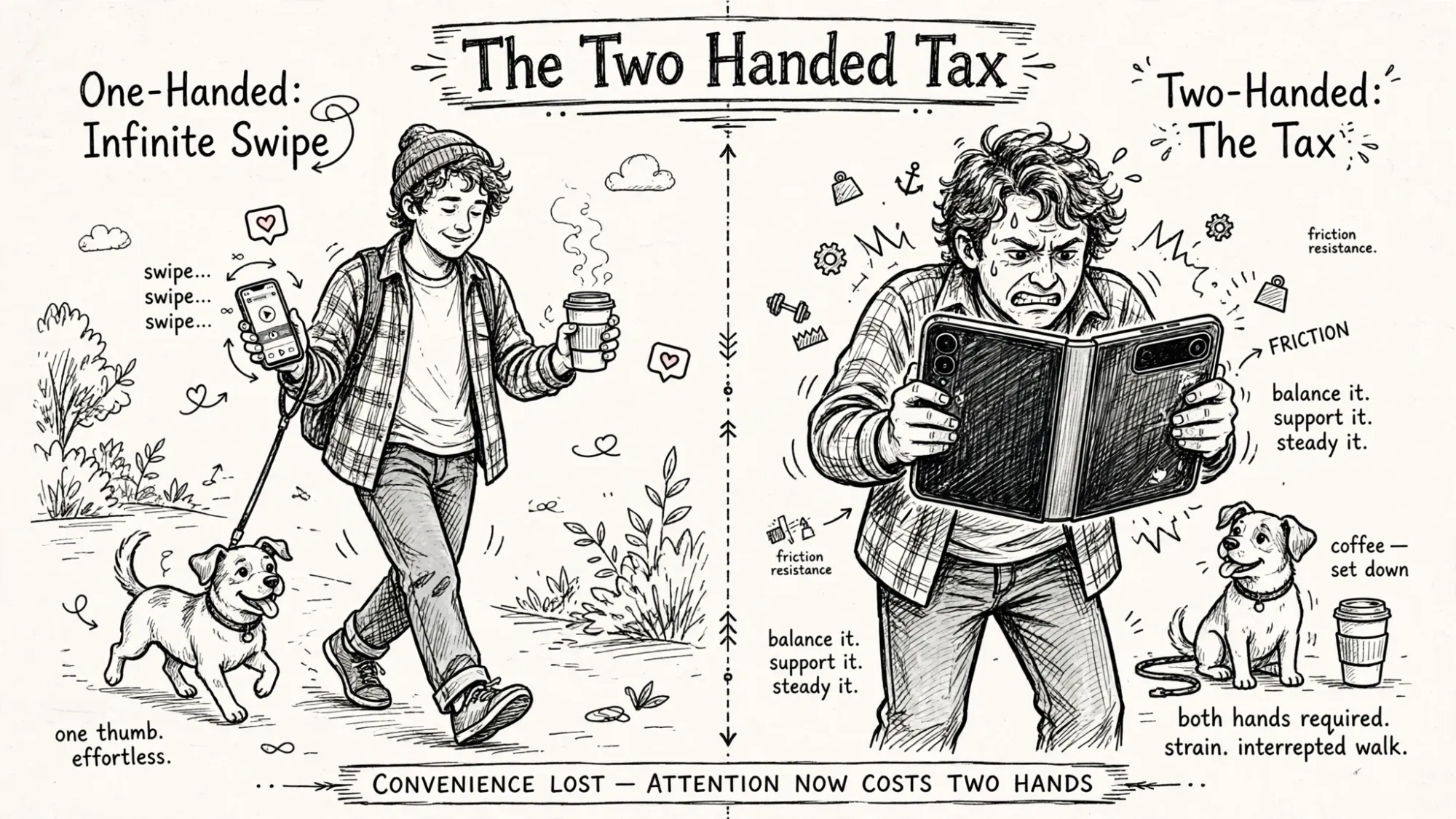
The fundamental addiction of short form video relies entirely on the single handed infinite swipe.
You can scroll through a hundred videos while holding a coffee or walking a dog.
Foldable phones completely destroy this ergonomic convenience. When you open a premium foldable device you are forced to use both hands just to hold the large screen steady.
This physical requirement introduces immediate friction into the consumption loop.
If a user has to dedicate both hands to operate their device they will naturally demand a higher quality of entertainment to justify that physical effort.
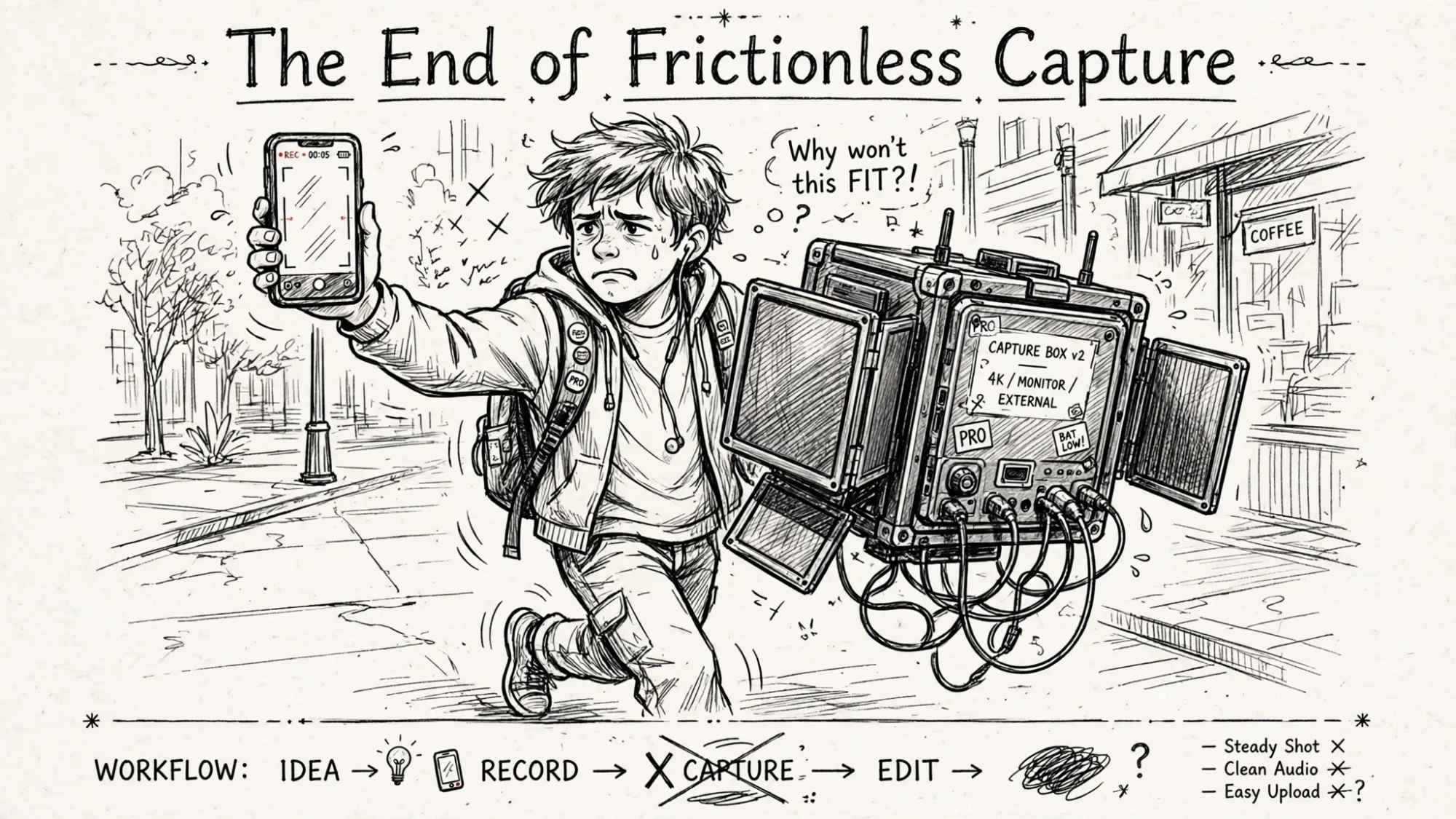
The End of Frictionless Capture
The secret to the short form content boom was frictionless amateur production. A teenager could simply pull a standard phone out of their pocket and instantly film a perfectly framed vertical video.
The foldable form factor completely destroys this workflow. When the default viewing screen is practically square a creator can no longer rely on a quick vertical capture to fill the frame. They are suddenly forced to reconsider cinematic framing, horizontal blocking, and complex background composition.
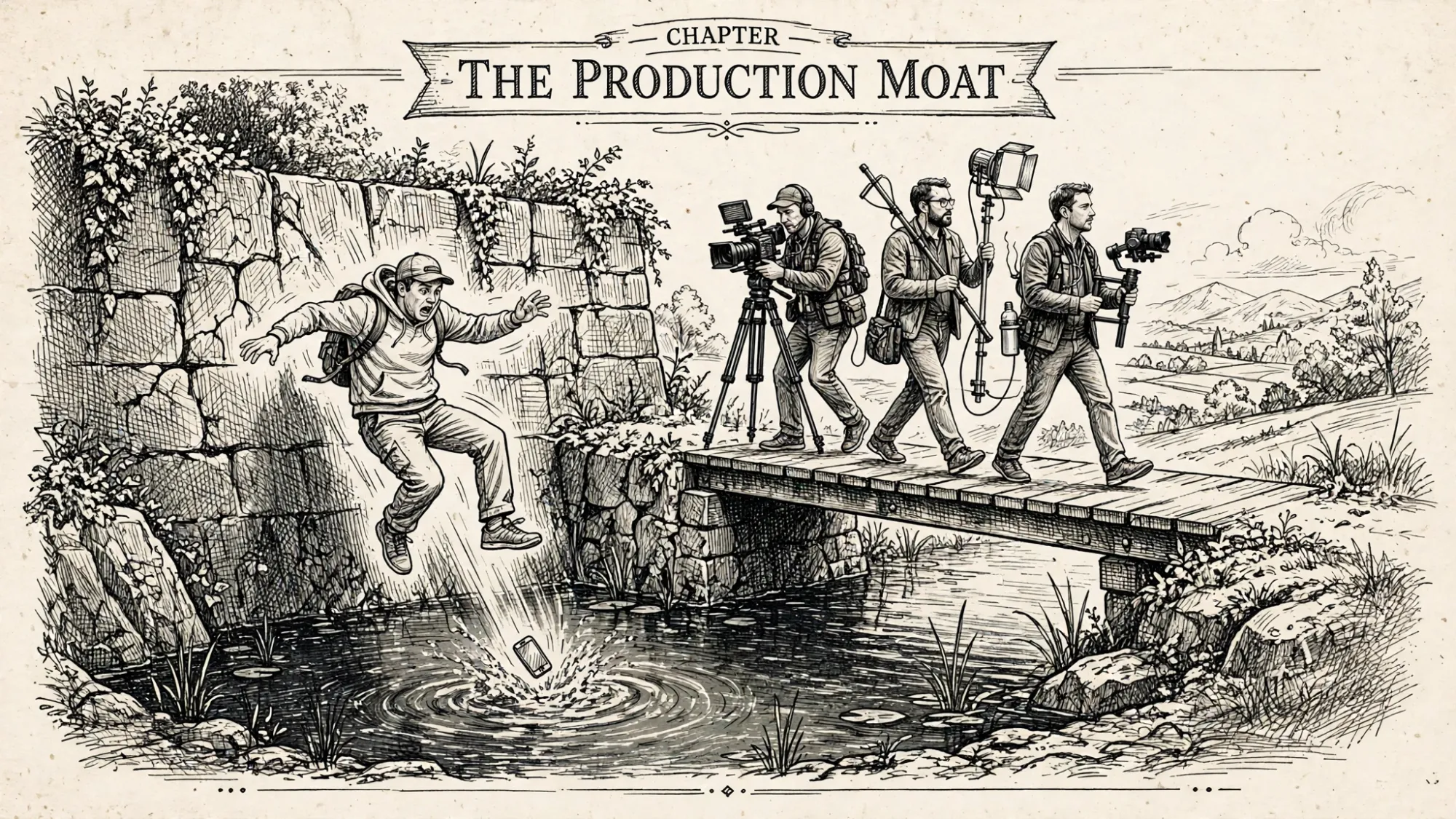
The Production Moat
This shift in physical framing instantly raises the barrier to entry for content creation.
You cannot easily capture dynamic horizontal video with one hand while walking down the street.
It requires stabilization, intentional lighting, and actual production planning.
The moment content creation requires genuine friction the vast majority of amateur creators will simply stop producing.
The market will instantly consolidate around professional studios and highly capitalized creators who actually know how to shoot in traditional cinematic ratios.
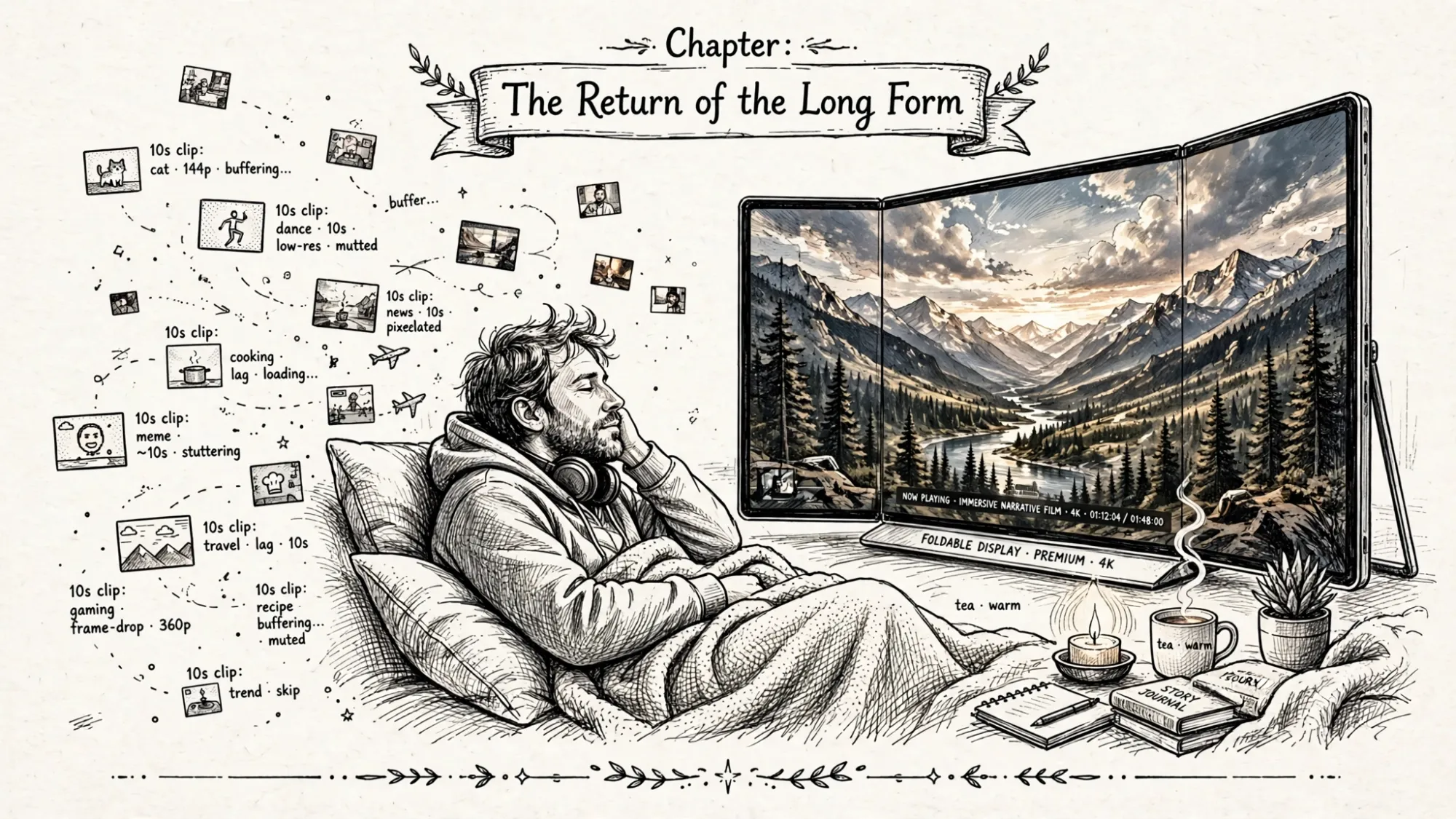
The Return of the Long Form
This hardware transition perfectly aligns with the growing consumer exhaustion regarding synthetic algorithmic content.
We are already seeing a significant behavioral shift as viewers desperately seek out high fidelity narrative experiences.
When consumers are holding a large and premium screen in their hands they do not want to swipe through ten second low resolution clips.
They naturally want to consume immersive entertainment that actually utilizes the expensive hardware they just purchased.
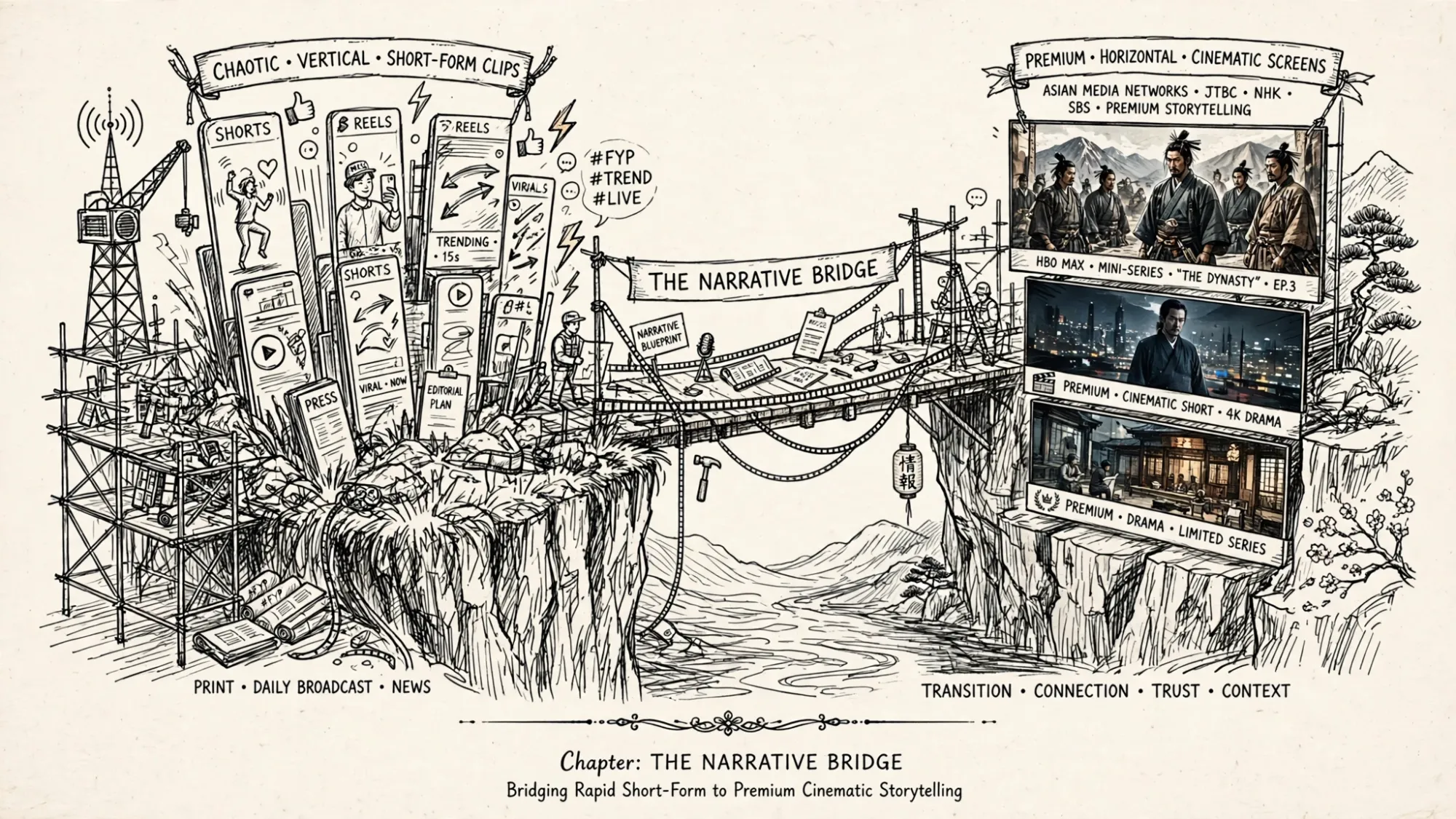
The Narrative Bridge
Smart legacy media companies are already preparing for this exact format shift.
They recognize that consumer attention spans are still fragmented even if the physical screens are getting wider.
We are seeing major streaming platforms like HBO Max and Asian media networks heavily invest in highly produced mini series and cinematic shorts.
These networks are brilliantly combining the rapid pacing of short form content with the premium production value required for a large horizontal screen.
They are building the perfect transitional bridge for consumers who want quick entertainment but refuse to watch amateur vertical video on a premium display.
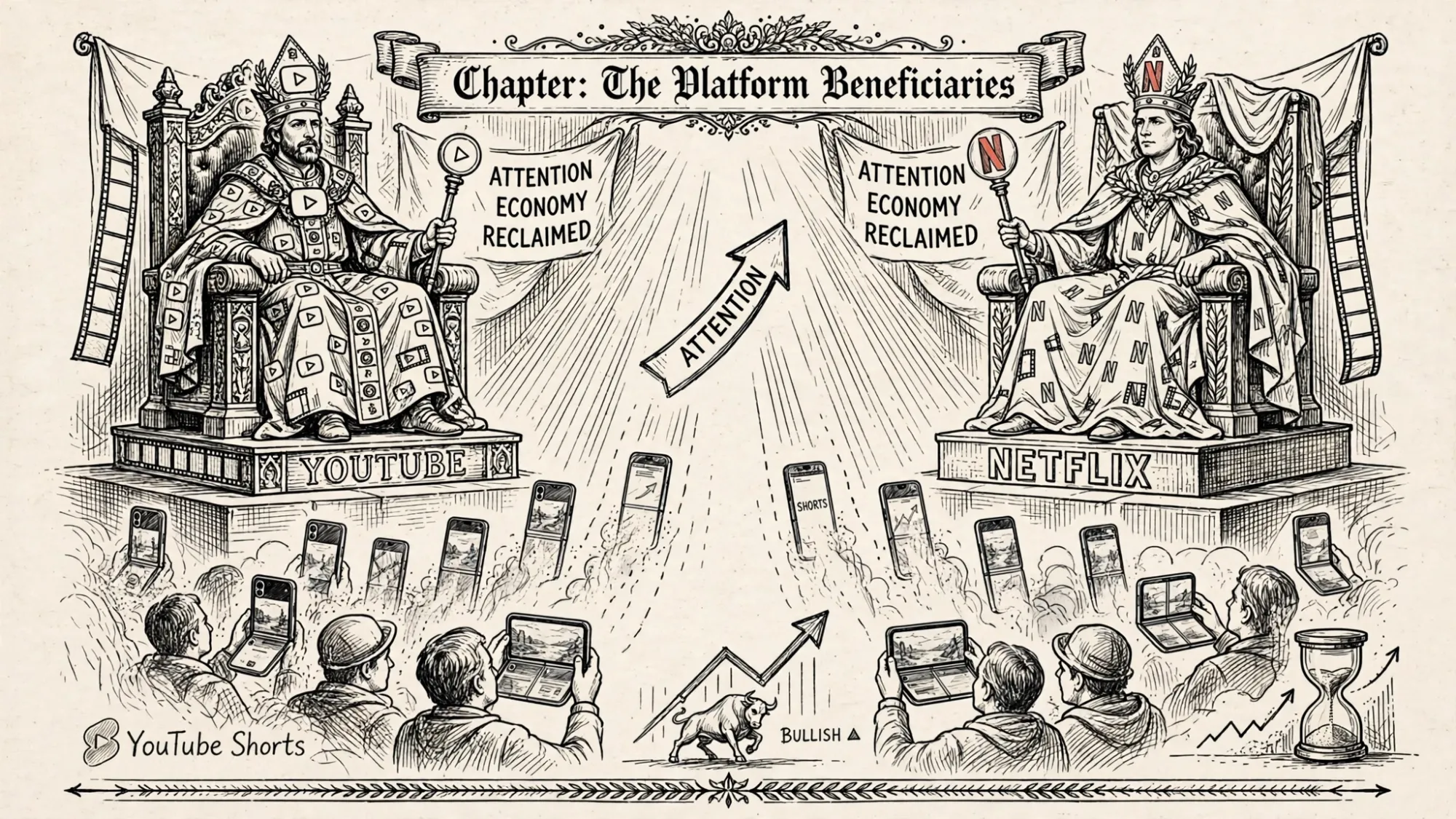
The Platform Beneficiaries
This economic shift is incredibly bullish for legacy video platforms like YouTube and Netflix.
They spent the last five years desperately trying to build vertical video clones just to survive the TikTok boom.
They will now reap the ultimate reward simply by holding their ground.
As foldable hardware forces the global consumer base back into horizontal viewing habits YouTube and Netflix will effortlessly reclaim their thrones as the undisputed kings of the attention economy.
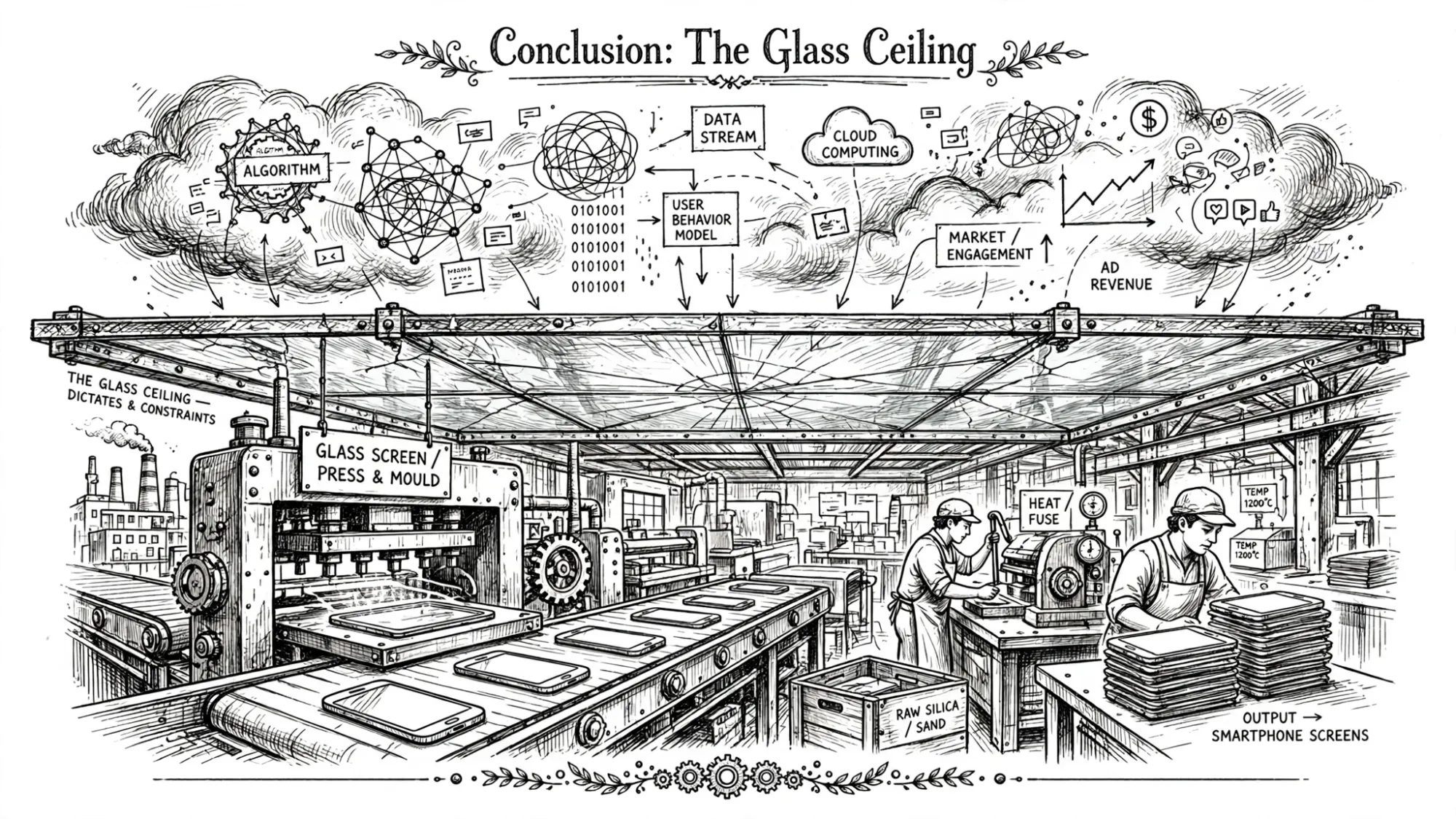
Conclusion: The Glass Ceiling
We spent a decade arguing about which social media algorithm was the most addictive.
We forgot that the entire digital economy is ultimately governed by the physical shape of the screen manufactured in the factory.