Video Games: Why the Next Generation of Parents Will Bond Better
We worry that screens create distance. But for the first time in history, parents and kids speak the same digital language. Video games aren't isolating the next generation; they are the new campfire.

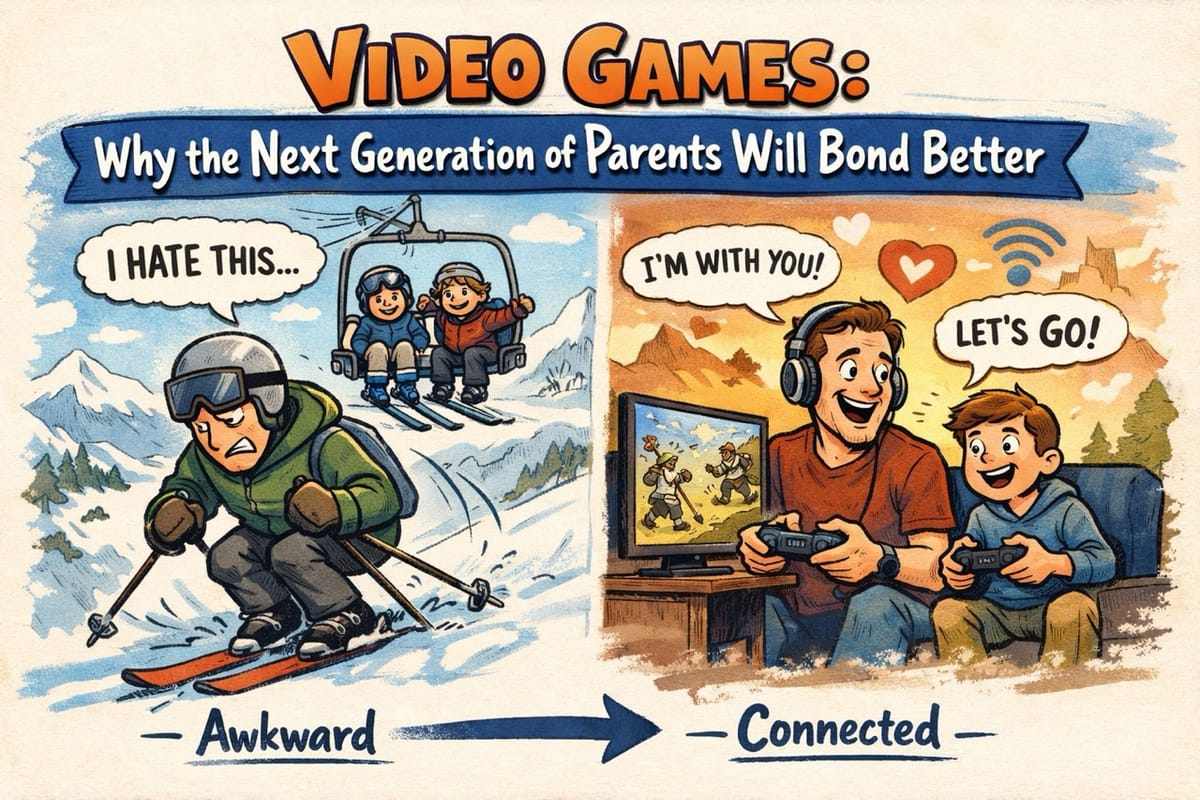
Prof G hates skiing, but he does it to bond with his kids. The next generation won't have to suffer through hobbies they hate; they will just log into the same server.
Inspiration: Hearing Scott Galloway confess that he drags himself up a mountain to ski—despite hating it—just to get 20 minutes of connection with his sons on the chairlift.
Digitalization is often portrayed as a loneliness epidemic. And that is mostly true. We are more connected but less intimate.
But there is an upside we are missing.
The "Boomer" Language Barrier: Older generations had difficulty bonding with their kids because the tech jump was too fast. The internet, smartphones, and meme culture created a linguistic divide. A father in 1990 couldn't "join" his son in Super Mario; he could only watch.
The "Millennial" Bridge: The newer generation of parents is different. They are digitally native.
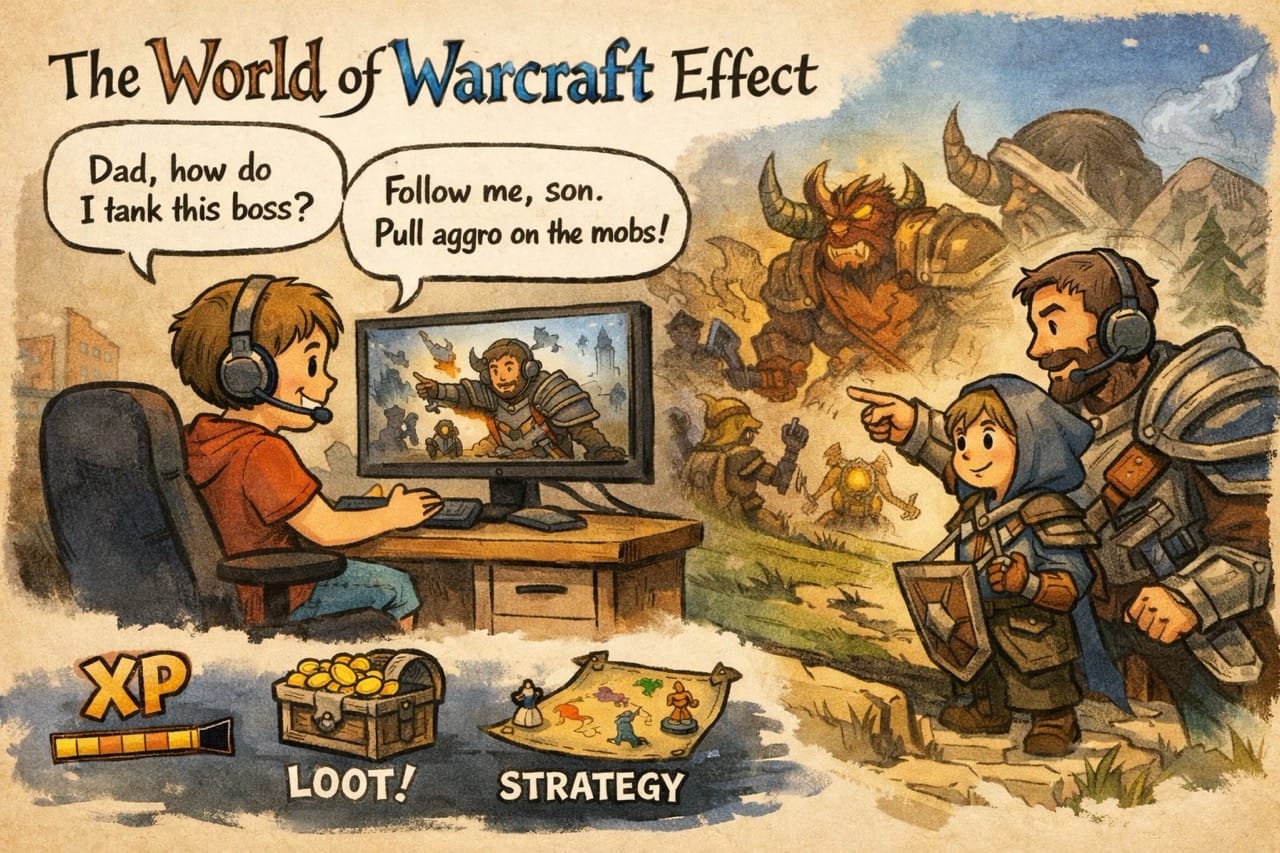
The World of Warcraft Effect
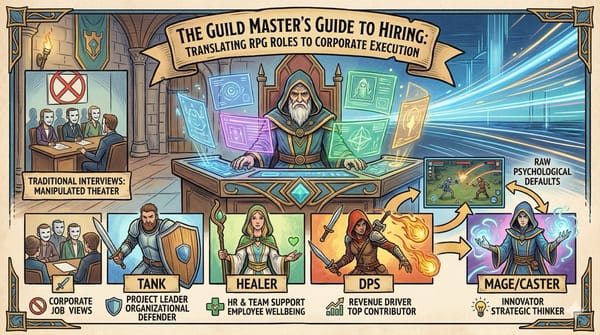
We are already seeing the shift. There are viral posts of kids who are now old enough to start playing World of Warcraft—and their parents aren't scolding them; they are guiding them.
- "Dad, how do I tank this boss?"
- "Follow me, son. Pull aggro on the mobs."
This is profound. It turns the digital world from a place of isolation into a place of mentorship.
The parent isn't an outsider looking in; they are the "Sherpa" of the virtual world. They share a vocabulary (XP, loot, strategy) that builds a bridge rather than a wall.
The "Chairlift" Moment
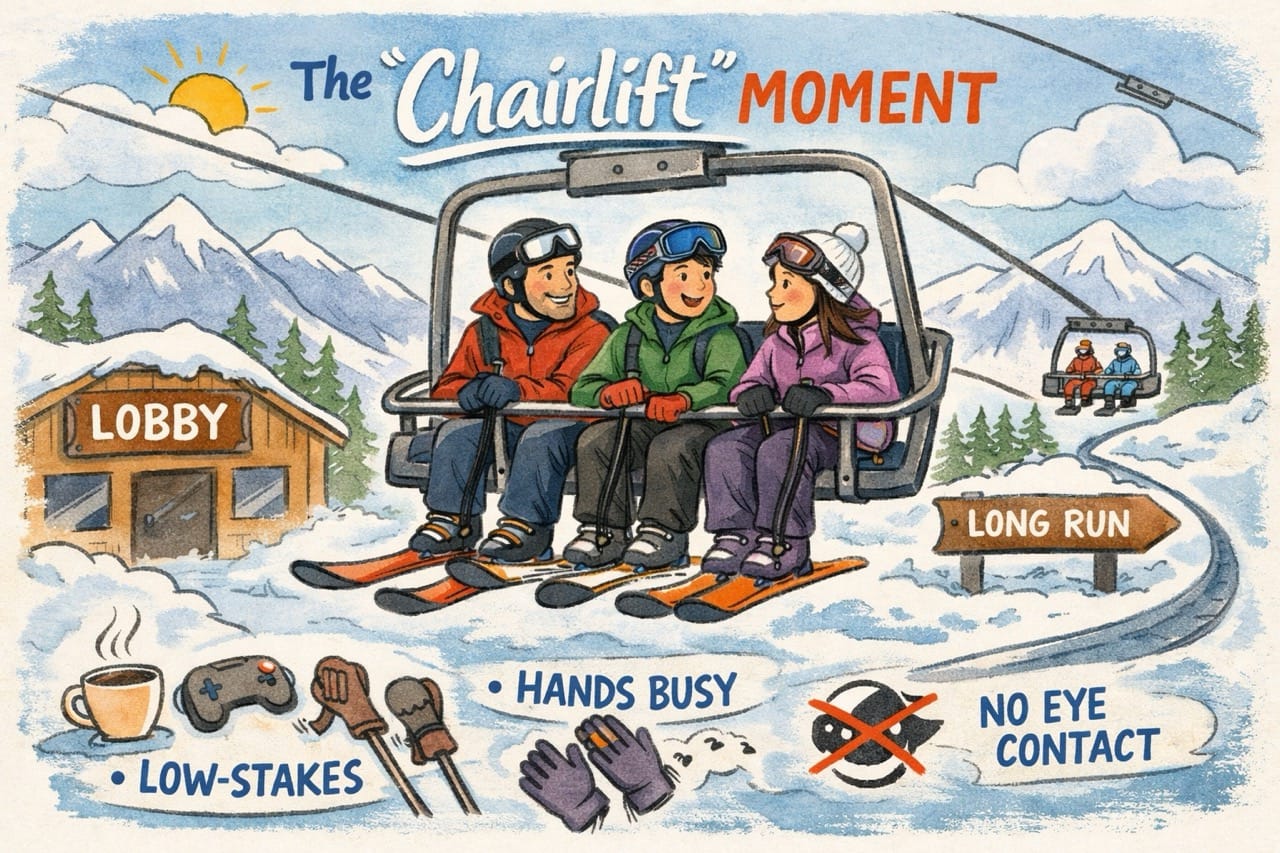
Scott Galloway skis to get those precious minutes on the chairlift where his kids actually talk to him.
In a video game, you have "downtime." You have the lobby. You have the long run back to the quest giver.
That is the new chairlift. It’s the low-stakes environment where a teenager—who might be silent at the dinner table—opens up because their hands are busy and they don't have to make eye contact.
Conclusion: The New Campfire
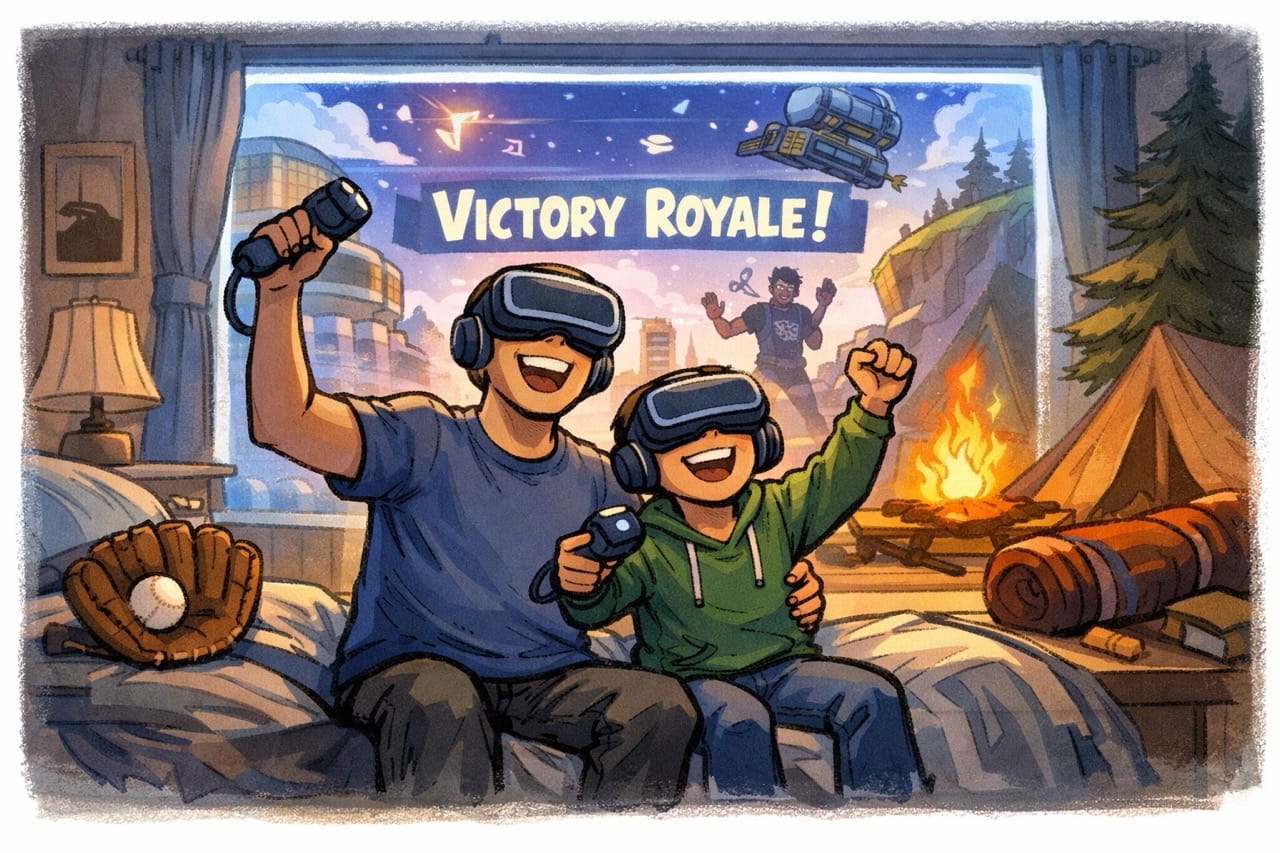
This doesn't replace baseball or camping. Physical reality is still king.
But let’s stop demonizing the screen as a wall. For the next generation of parents, the screen is a window.
My Prediction: In 2035, the most common "father-son" activity won't be catching a ball in the backyard. It will be catching a victory royale in the metaverse. And the bond will be just as real.