The Fed Decides the Election, Not the President
In the US, patriotism ends where the grocery bill begins. The Federal Reserve has more influence on the midterms than the White House, and their "Higher for Longer" strategy is a political time bomb.
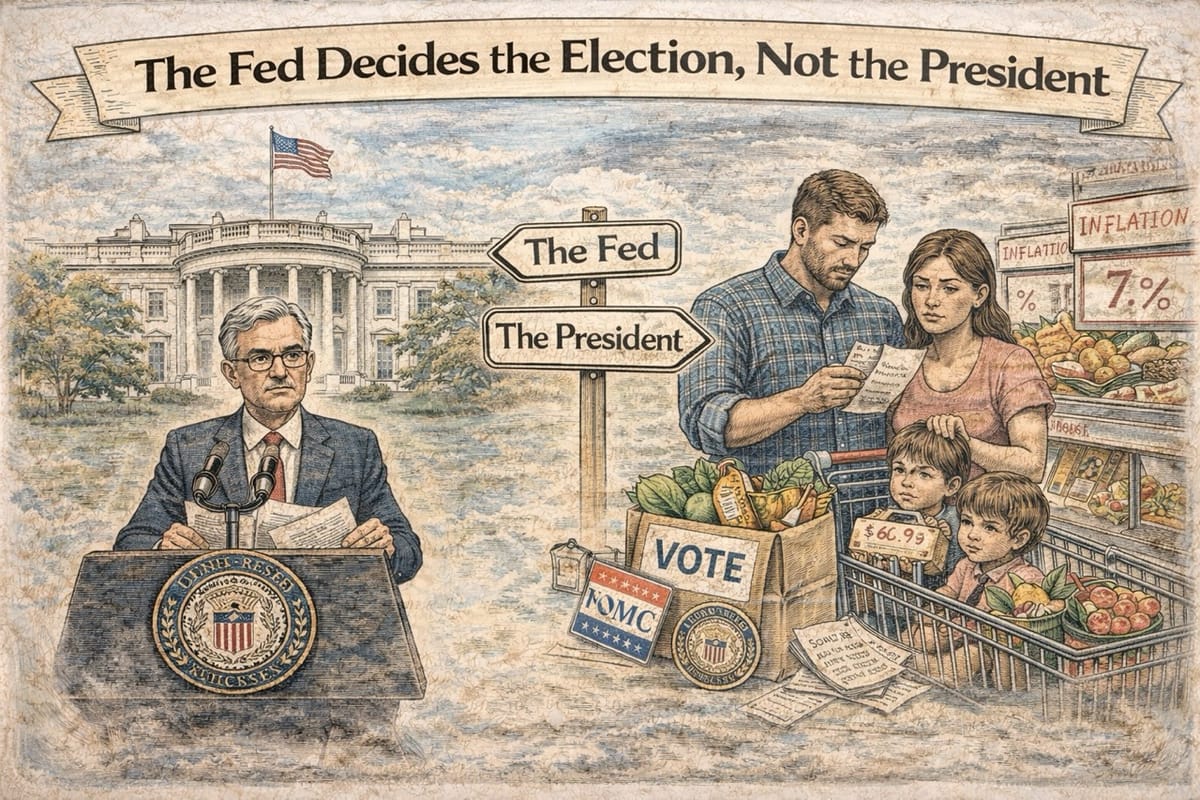
We watch the White House for political signals. We should be watching the FOMC. If the price of eggs stays high, no amount of social policy can save the incumbent.
Inspiration: Realizing that while the news talks about geopolitical conflicts, the average American family is only talking about their grocery bill and mortgage rate.
The media portrays US elections as a battle of ideologies—Socialism vs. Conservatism, Woke vs. Traditional.
The reality? It is a battle of Wallets.
In Europe or Asia, voters often prioritize Collective Stability or Ideology. In the US, voters are Independent. They prioritize Family Wellbeing.
Positive administration achievements (infrastructure bills, foreign policy wins) are "forgotten" instantly if unemployment rises or inflation persists.
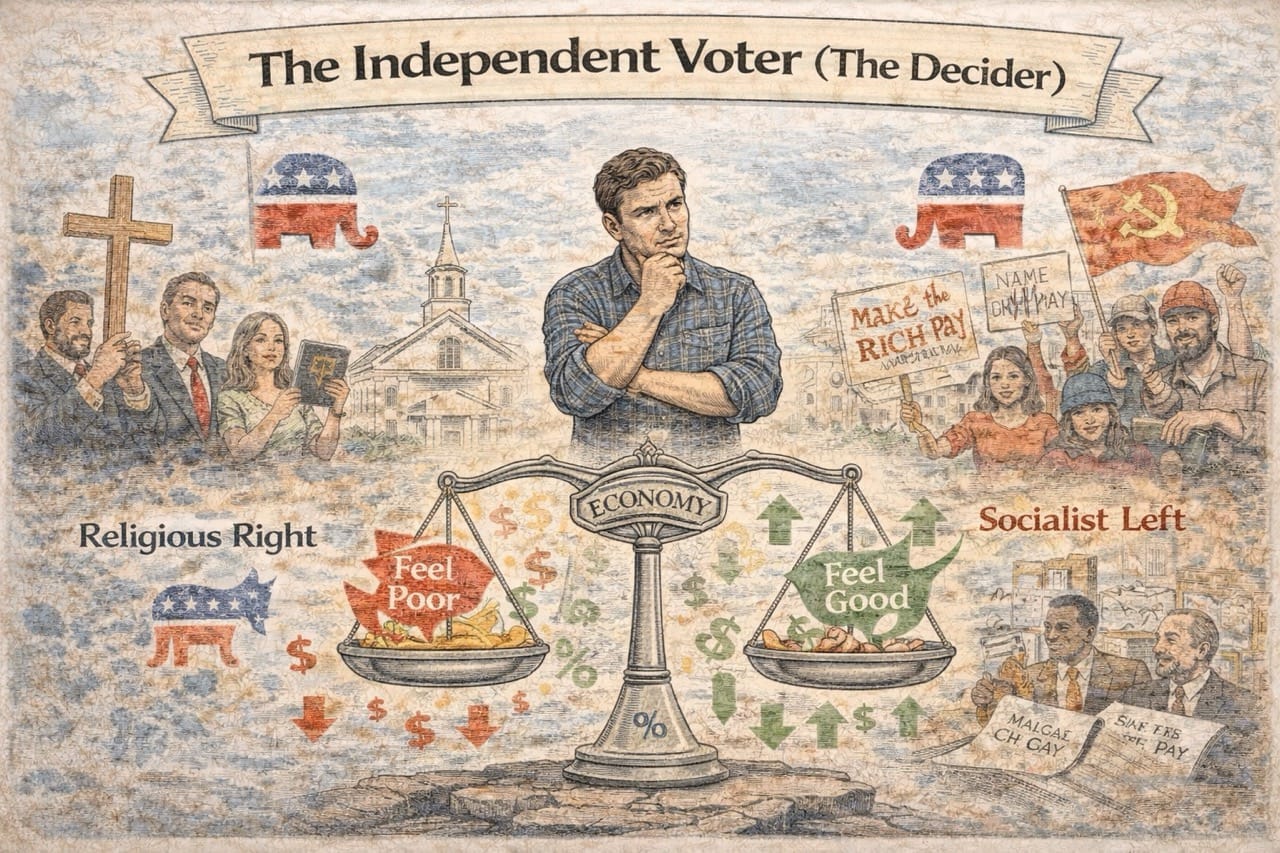
The Independent Voter (The Decider)
The "Base" (Religious Right or Socialist Left) is locked in. They don't decide elections.
The election is decided by the 20% in the middle who vote based on Economic Sentiment. If they feel poor, they vote for change. Period.
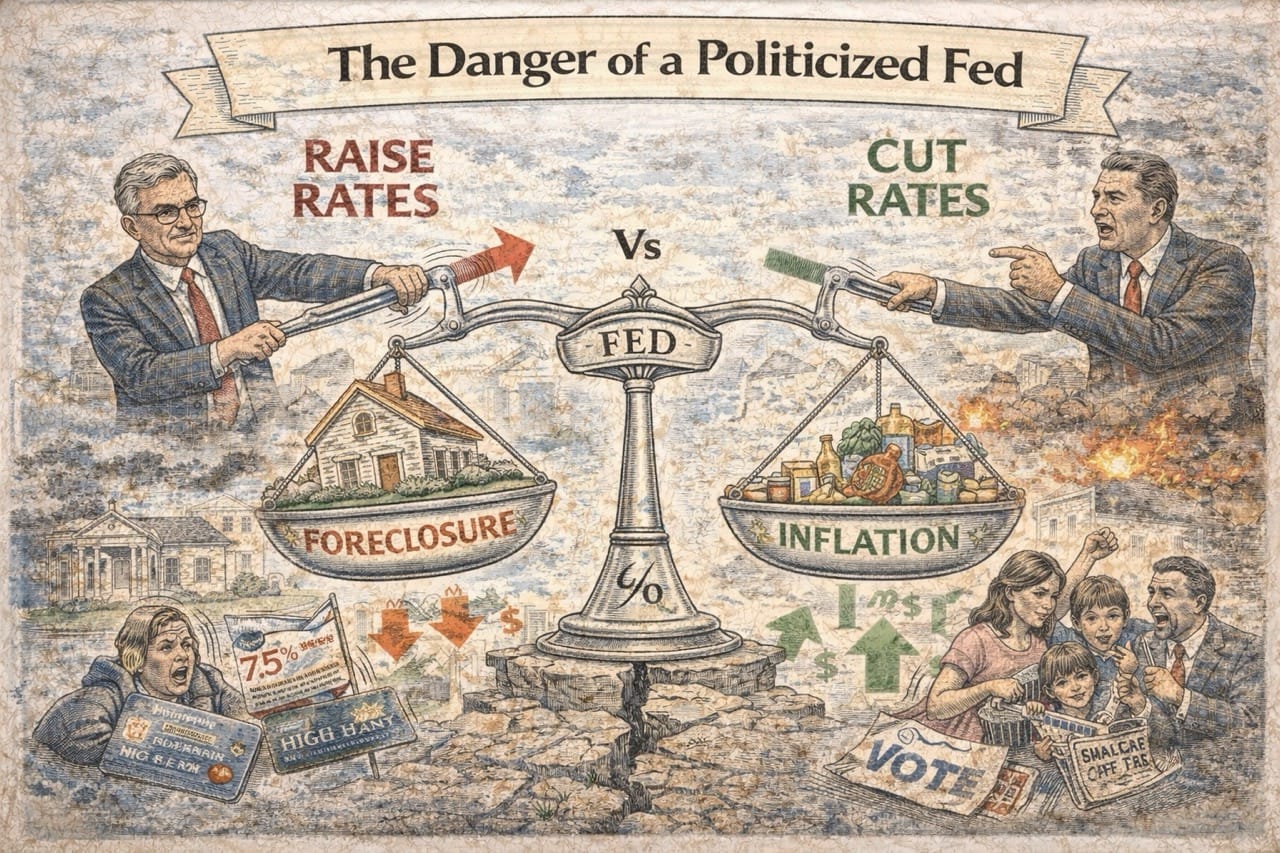
The Danger of a Politicized Fed
The Federal Reserve is supposed to be independent. But it is the most dangerous political actor in the room.
- Raising Rates: Destroys confidence. High mortgages kill the "American Dream" of homeownership. High credit card APRs crush the working class. This hurts the incumbent.
- Lowering Rates (Prematurely): If they cut too early to "help" the election, inflation might spike again. This also hurts the incumbent.
Stating a "War on the Fed" also creates tension and backfires. It signals panic.
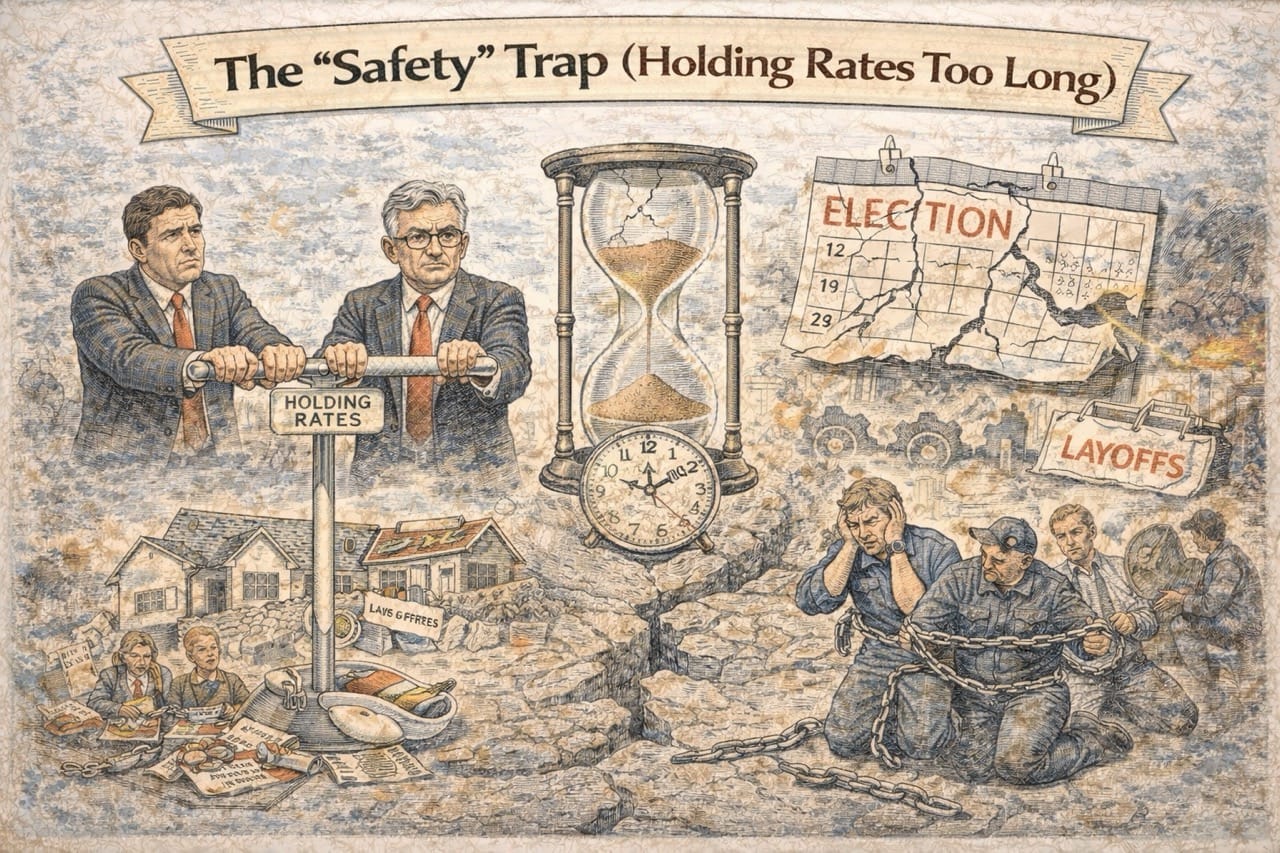
The "Safety" Trap (Holding Rates Too Long)
The administration and the Fed are trying to "play it safe" by holding rates steady.
This is the most dangerous play.
The lag effect of monetary policy is 12–18 months. By the time the data shows a recession, it is too late. The damage is baked in. Holding "Higher for Longer" risks breaking the labor market right before the election.
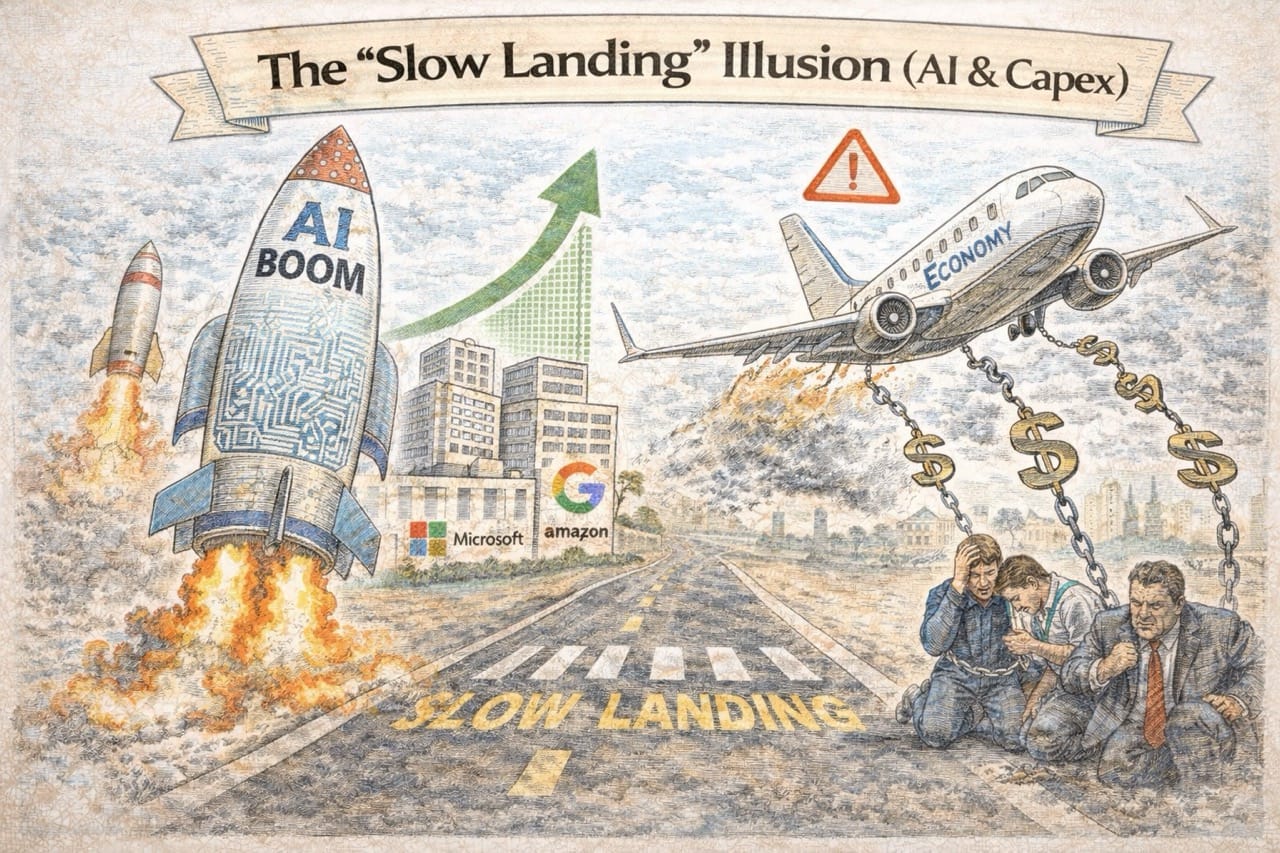
The "Slow Landing" Illusion (AI & Capex)
We saw this before. The previous administration looked like it was executing a "Soft Landing."
It wasn't policy; it was the AI Boom.
Massive Capex spending by Microsoft, Google, and Amazon boosted GDP artificially. Without this tech-driven spend, the high rates would have likely triggered a recession already.
The Risk: You cannot rely on a tech bubble to save the broader economy forever. When the Capex slows down, the real rate reality hits the consumer.
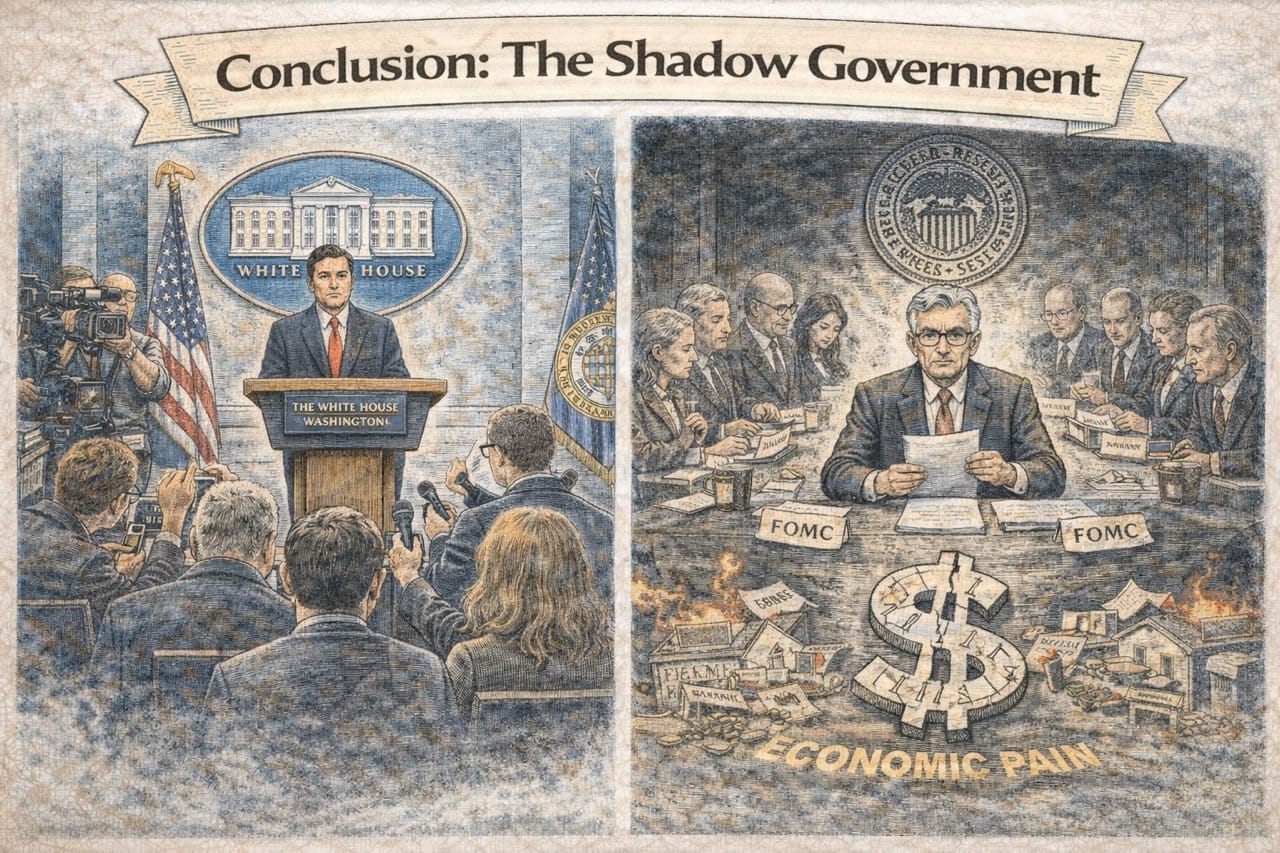
Conclusion: The Shadow Government
We watch the White House briefing room. We should be watching the FOMC meeting minutes.
My Prediction: If the Fed doesn't cut rates soon, the "Economic Pain" will override any "Political Win" the administration achieves. Jerome Powell has more influence on the midterms than the President.