The Digital Bridge: Reconnecting the Tech Ecosystems of America and China
We assume the digital firewall between the United States and China is a permanent geopolitical fixture. In reality, opening the Chinese market to Western tech monopolies would instantly trigger the greatest cross pollination of talent and capital in modern history.

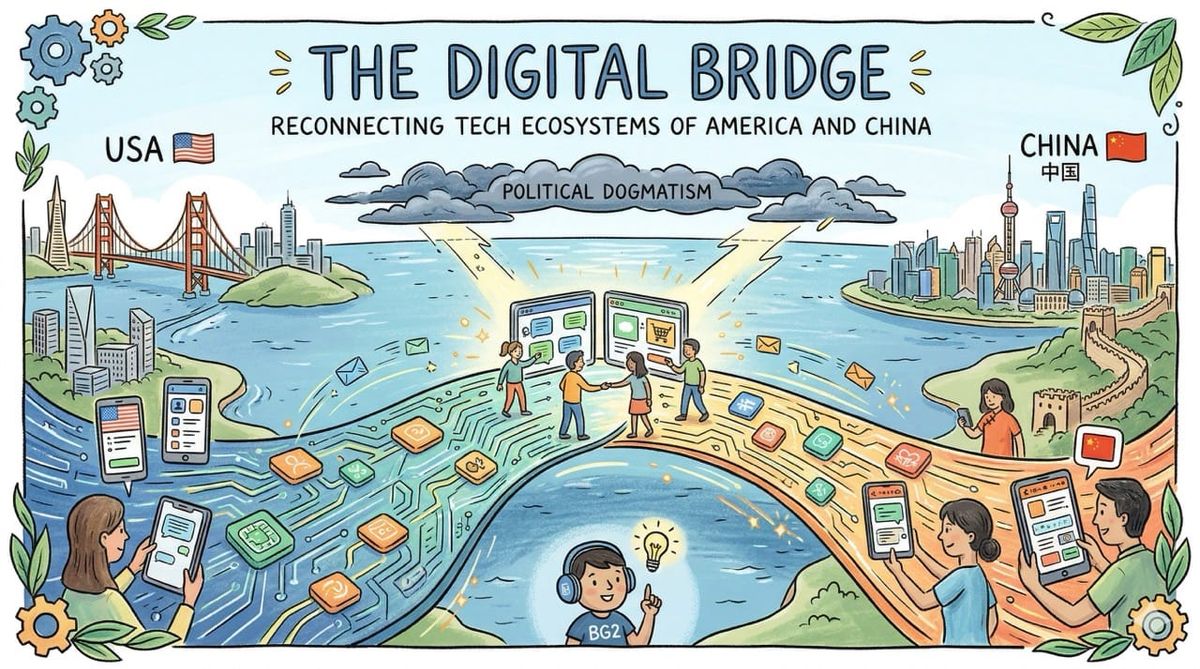
Political dogmatism is currently suffocating global innovation. Reconnecting these two massive digital ecosystems would completely rewrite the future of the global economy and reverse the current trajectory of international conflict.
Inspiration: Listening to the BG2 podcast discuss the staggering velocity of Chinese technological innovation and the desperate need for pragmatic engagement. Realizing that the ultimate diplomatic bridge between these two superpowers is not a political treaty, but the seamless integration of consumer software.
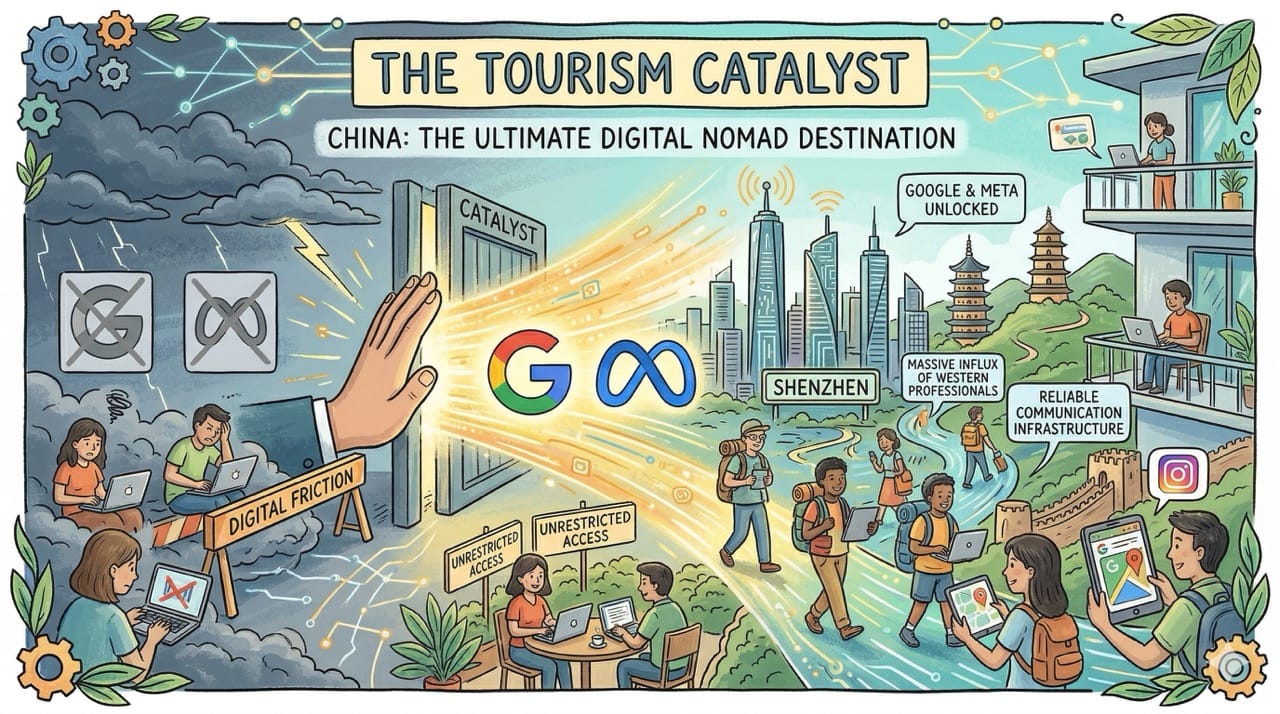
The Tourism Catalyst
If China suddenly allowed unrestricted access to Google and Meta platforms, it would instantly become the ultimate destination for global digital nomads.
Remote workers naturally avoid regions where they cannot reliably access their primary communication and productivity infrastructure.
Removing this digital friction would trigger a massive influx of western professionals eager to explore major tech hubs like Shenzhen.
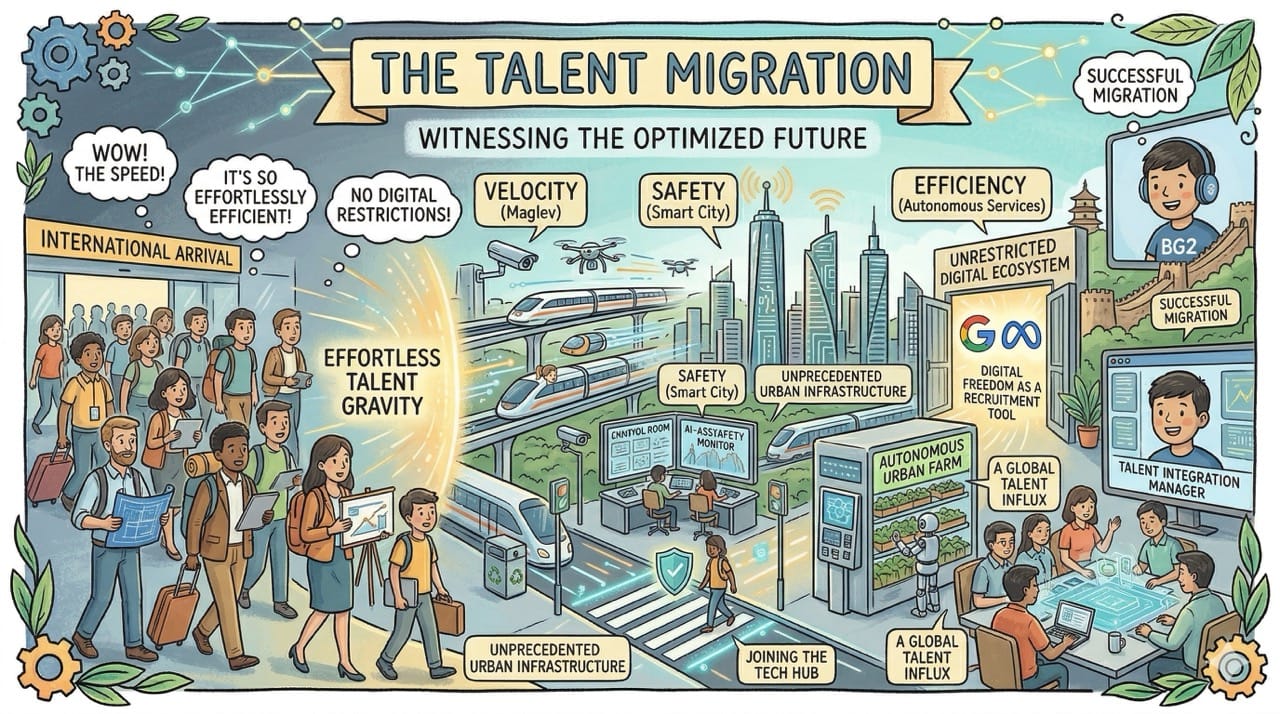
The Talent Migration
This influx of digital tourism would inevitably lead to a massive global talent migration.
Western engineers and marketers would finally experience the incredible velocity, safety, and operational efficiency of modern Chinese cities firsthand.
China would effortlessly steal top tier international talent simply by allowing foreigners to witness their highly optimized urban infrastructure without digital restrictions.
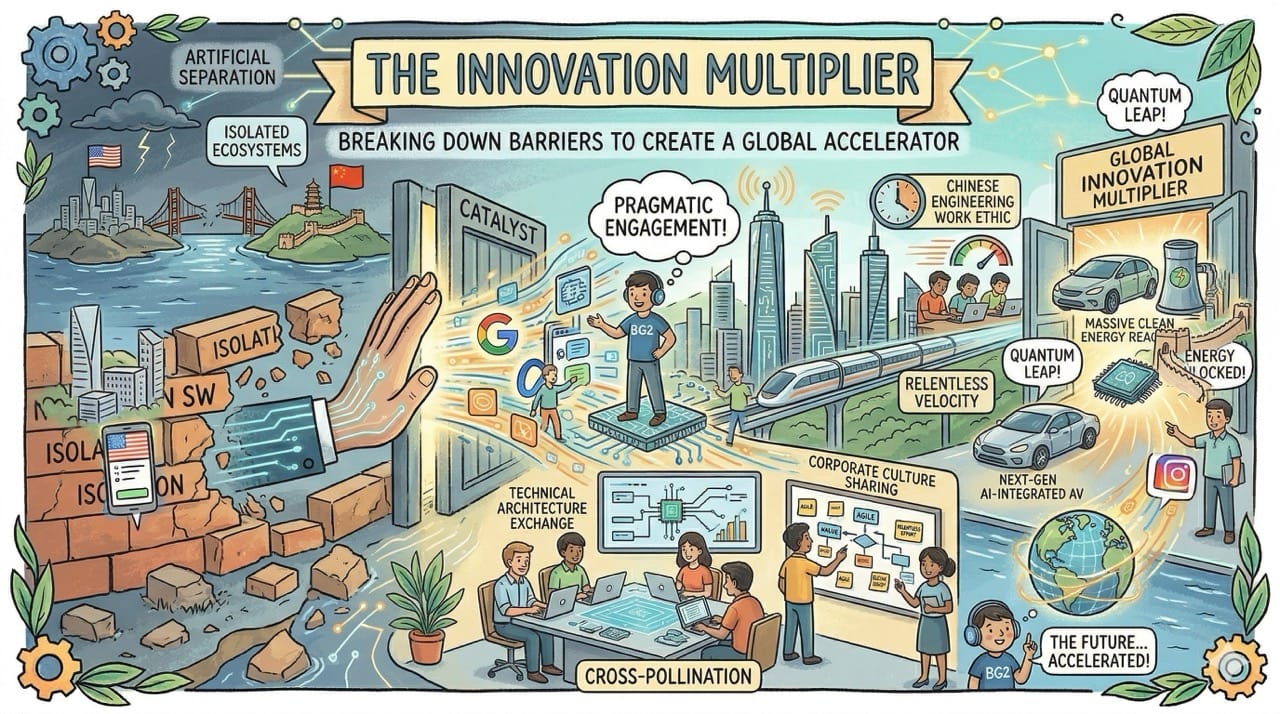
The Innovation Multiplier
The artificial separation of these ecosystems currently prevents the natural cross pollination of brilliant engineering solutions.
Allowing western software to operate within the Chinese domestic market would force an unprecedented sharing of corporate culture and technical architecture.
This direct exposure to the relentless Chinese engineering work ethic would violently accelerate global technological innovation.
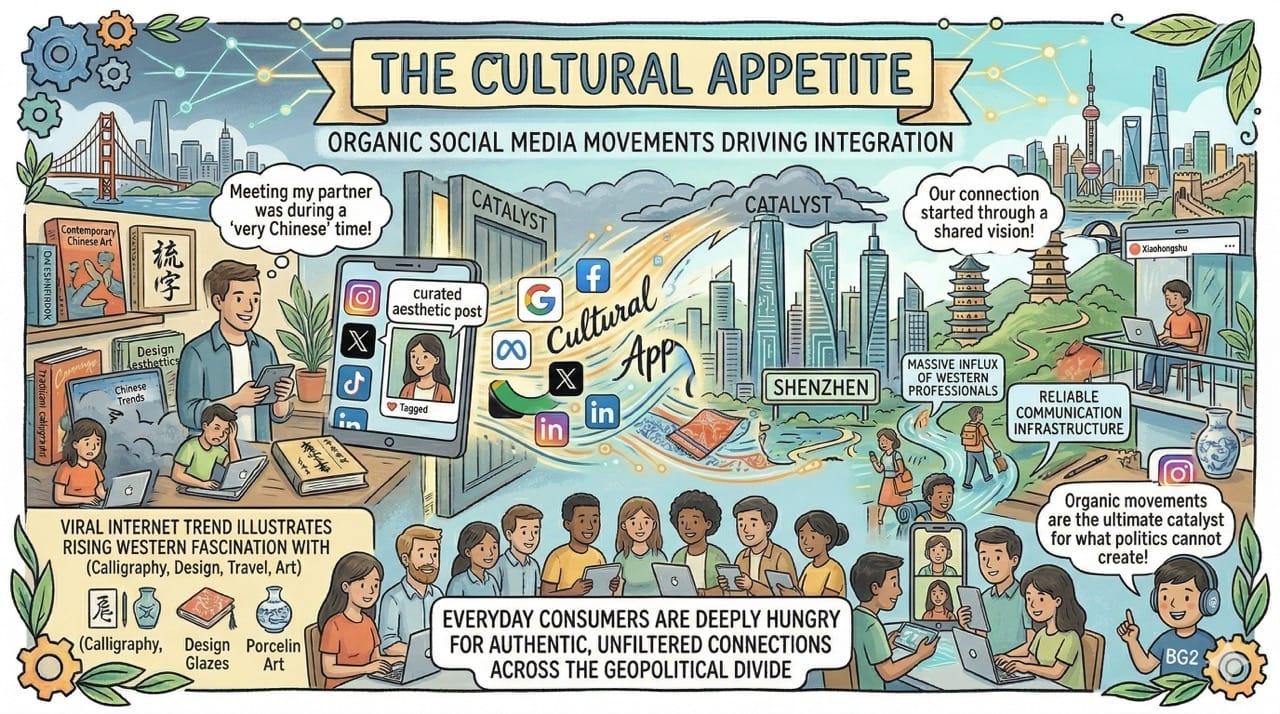
The Cultural Appetite
We are already seeing the cultural appetite for this integration through organic social media movements.
The viral internet trend highlighting how someone met a partner during a very Chinese time of their life perfectly illustrates this rising western fascination with eastern aesthetics.
These organic cultural moments prove that everyday consumers are deeply hungry for authentic, unfiltered connections across the geopolitical divide.
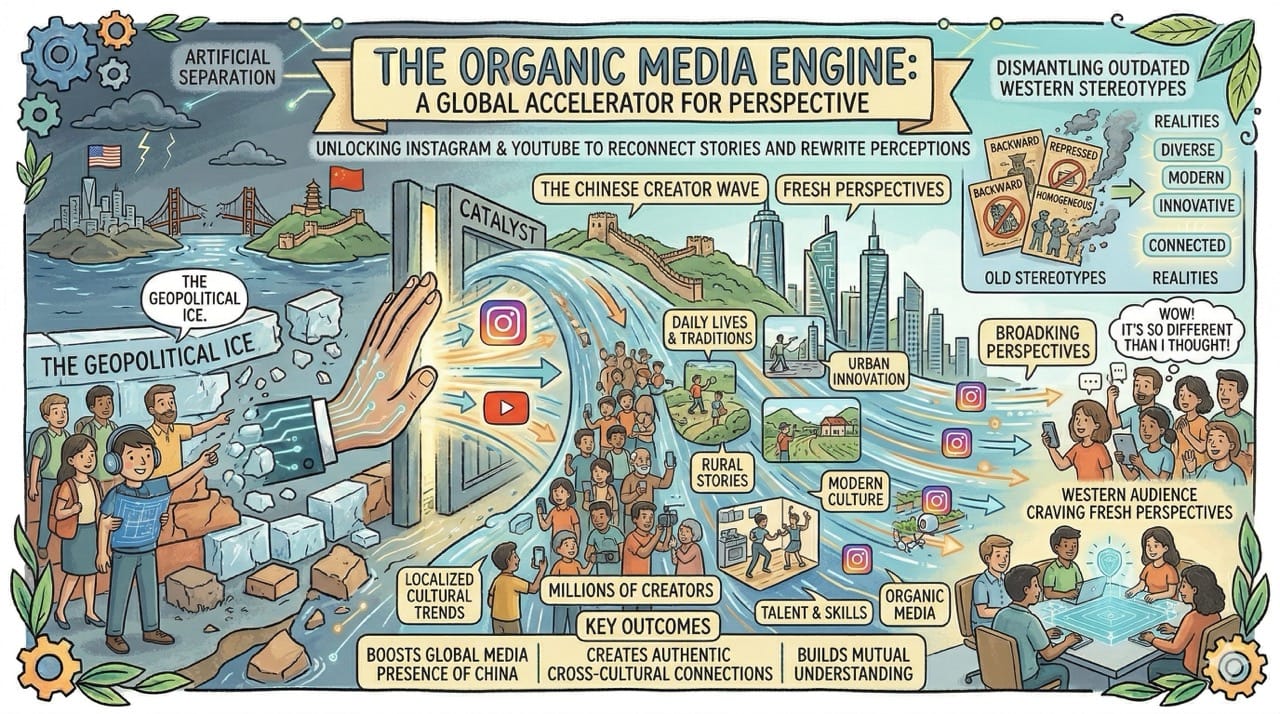
The Organic Media Engine
If platforms like Instagram and YouTube operated freely within Chinese borders, these localized cultural trends would compound exponentially.
Millions of Chinese creators would suddenly broadcast their daily lives directly to a western audience craving fresh perspectives.
This organic content engine would drastically boost the global media presence of China and completely dismantle outdated western stereotypes.
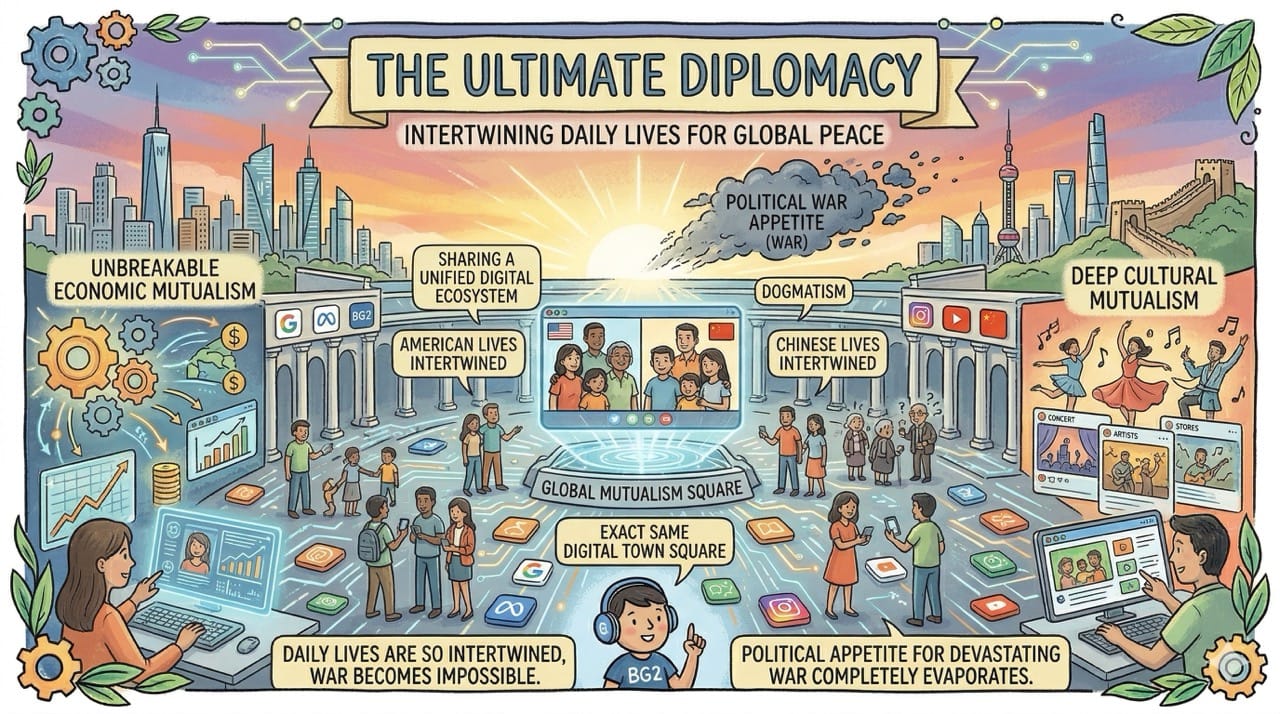
The Ultimate Diplomacy
The most effective way to prevent international conflict is to deeply intertwine the daily lives of everyday citizens.
Sharing a unified digital ecosystem creates an unbreakable economic and cultural mutualism between opposing nations.
When American and Chinese consumers share the exact same digital town square, the political appetite for a devastating global war completely evaporates.
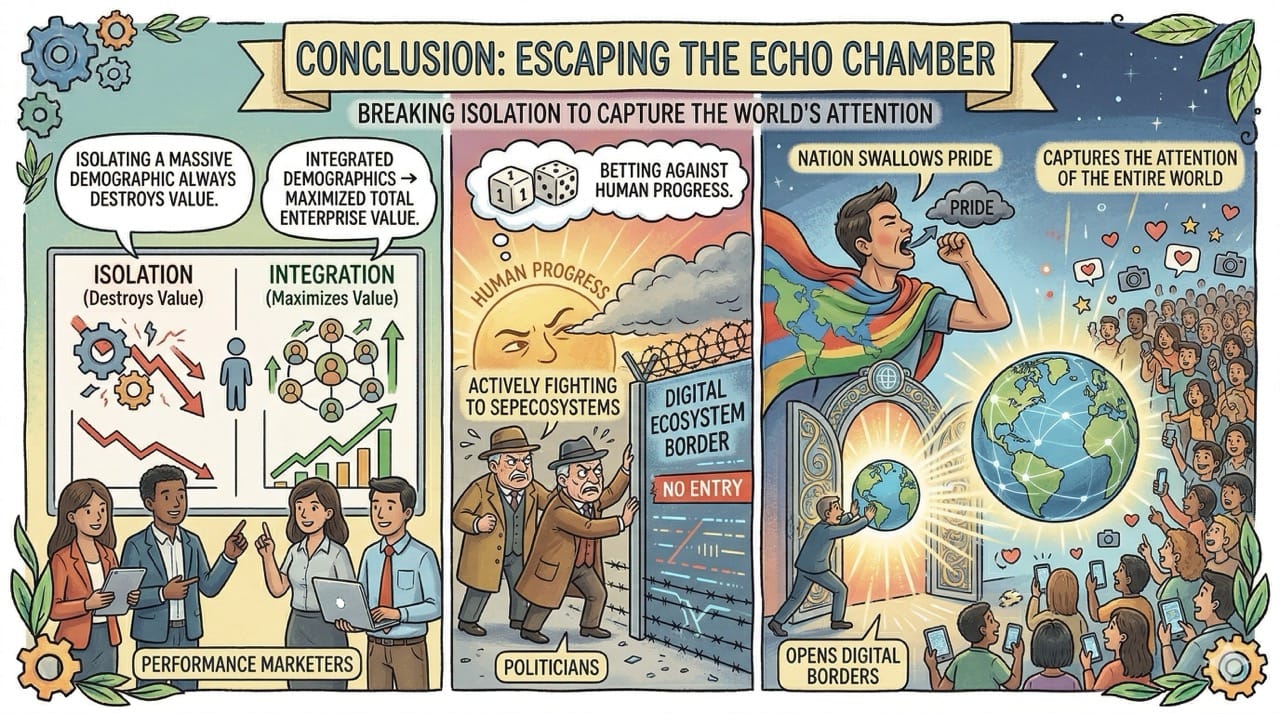
Conclusion: Escaping the Echo Chamber
Performance marketers understand that isolating a massive demographic always destroys total enterprise value.
The politicians actively fighting to keep these ecosystems separated are actively betting against human progress.
The nation that finally swallows its pride and opens its digital borders will ultimately capture the attention of the entire world.