Stripe Minions: The Genius Marketing Strategy Behind AI Agents
Tech companies are struggling to sell autonomous software without terrifying the human workforce. Stripe solved this massive public relations problem by simply renaming their highly advanced AI coding agents to "Minions."

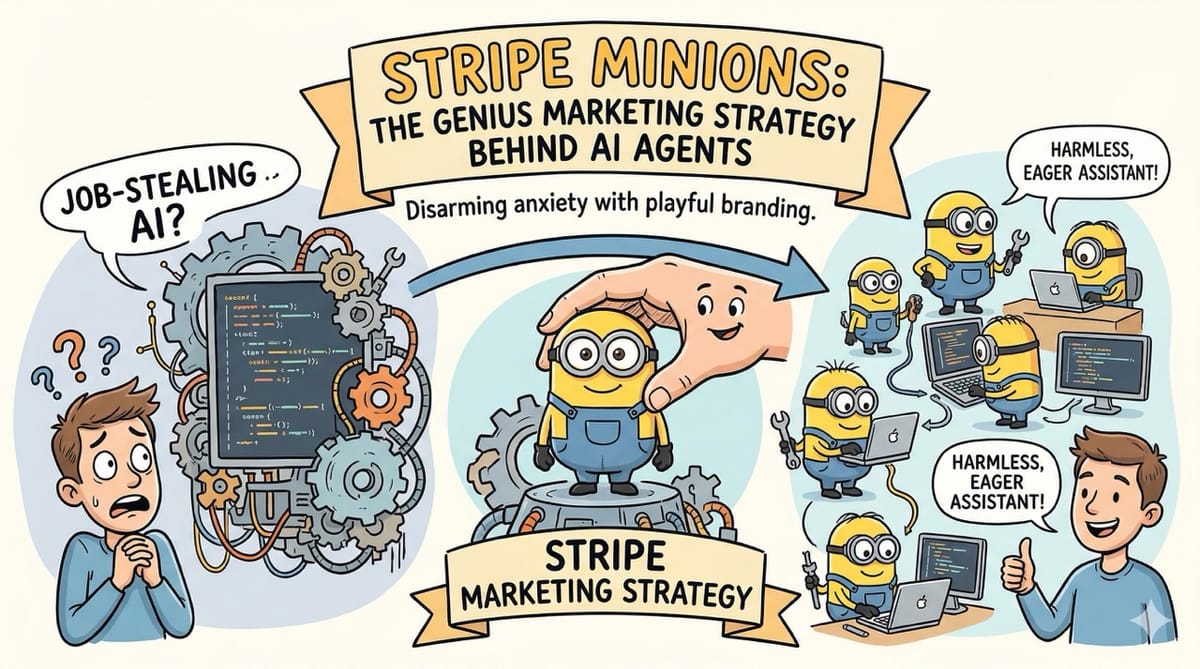
By borrowing a beloved pop culture icon, Stripe successfully rebranded job-stealing artificial intelligence into a harmless, eager assistant.
Inspiration: Analyzing Stripe's introduction of "Minions" for their end-to-end coding agents. Realizing that packaging advanced AI in a comedic, subordinate brand completely disarms human anxiety.
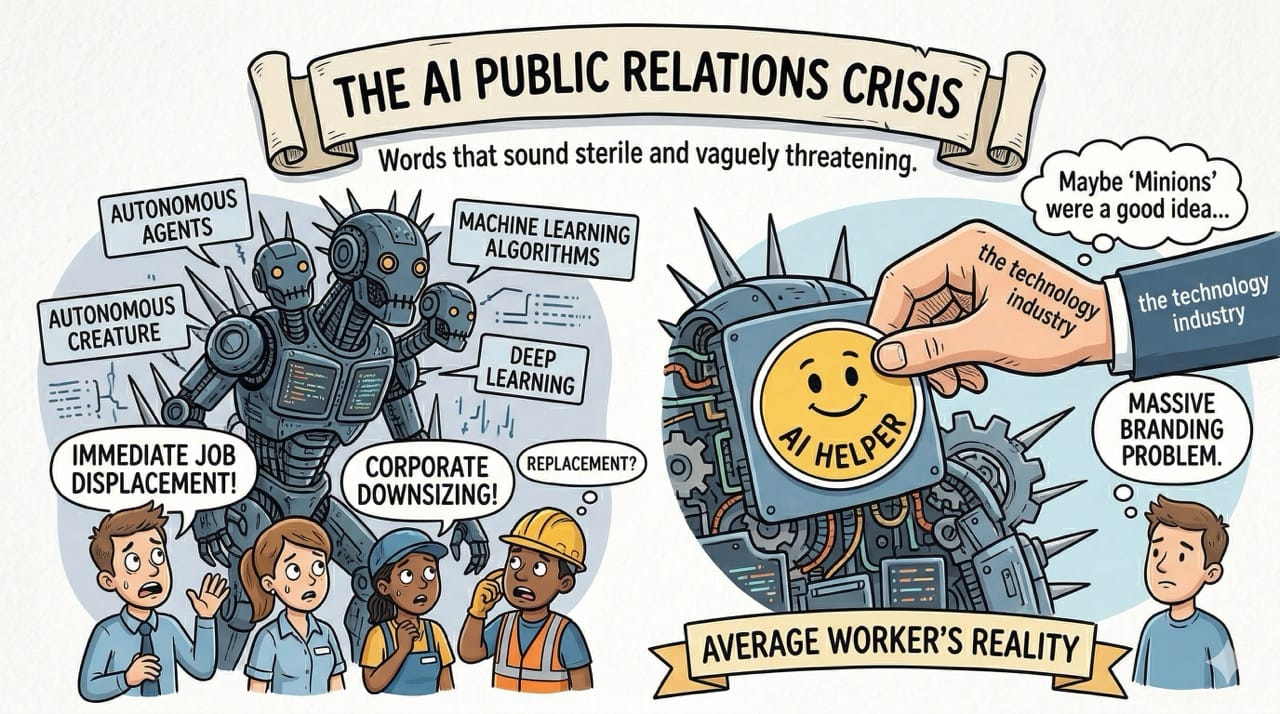
The AI Public Relations Crisis
The technology industry has a massive branding problem with artificial intelligence.
Terms like autonomous agents and machine learning algorithms sound inherently sterile and vaguely threatening.
To the average worker, these phrases translate directly into immediate job displacement and corporate downsizing.
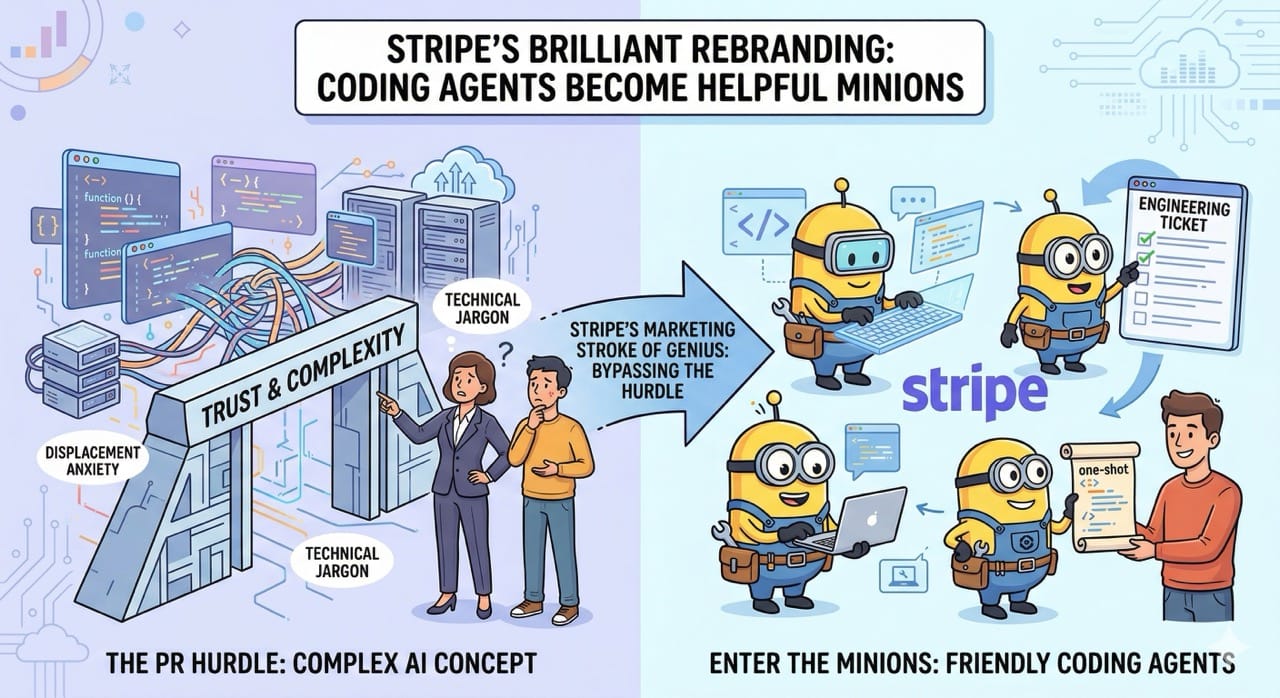
Enter the Minions
Stripe recently bypassed this entire public relations hurdle with a stroke of marketing genius.
They introduced their internal one-shot, end-to-end coding agents under the official name of Minions. These advanced software bots are designed to autonomously handle complex engineering tickets from start to finish.
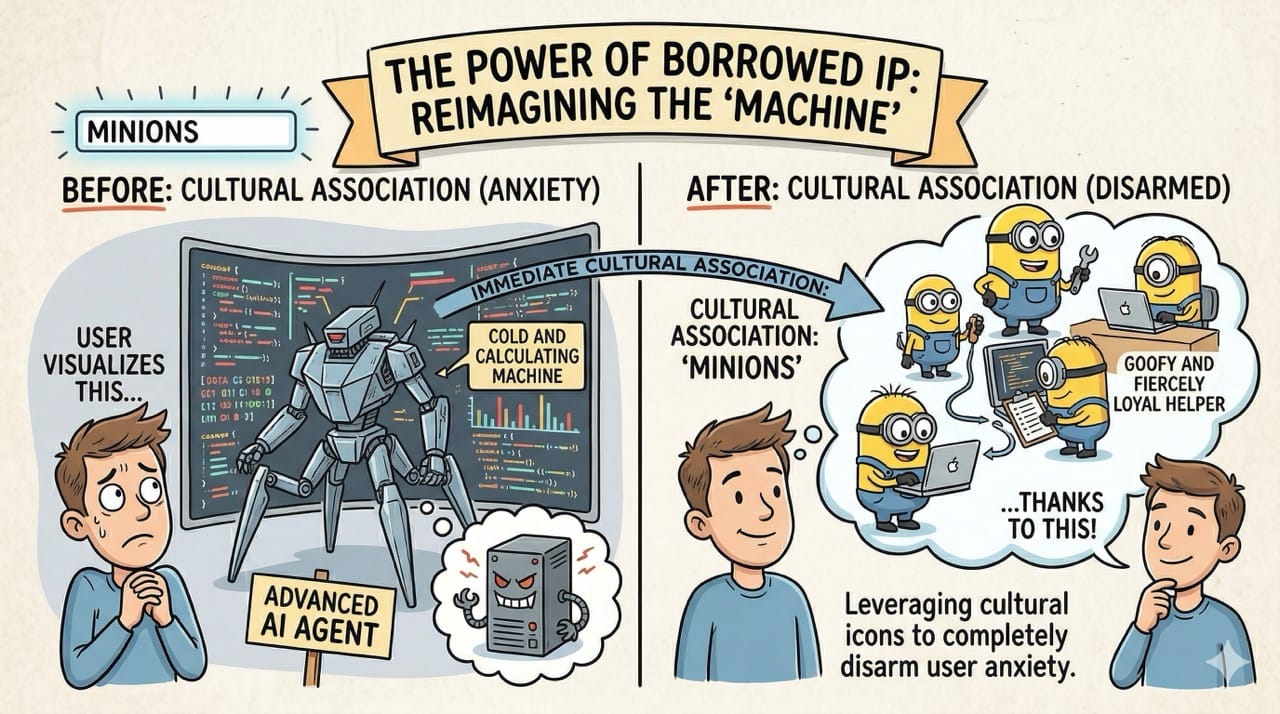
The Power of Borrowed IP
The brilliance of this strategy lies in the immediate cultural association. The word instantly triggers images of the bumbling, yellow cartoon characters from the Despicable Me franchise.
Instead of picturing a cold and calculating machine, the user visualizes a goofy and fiercely loyal helper.
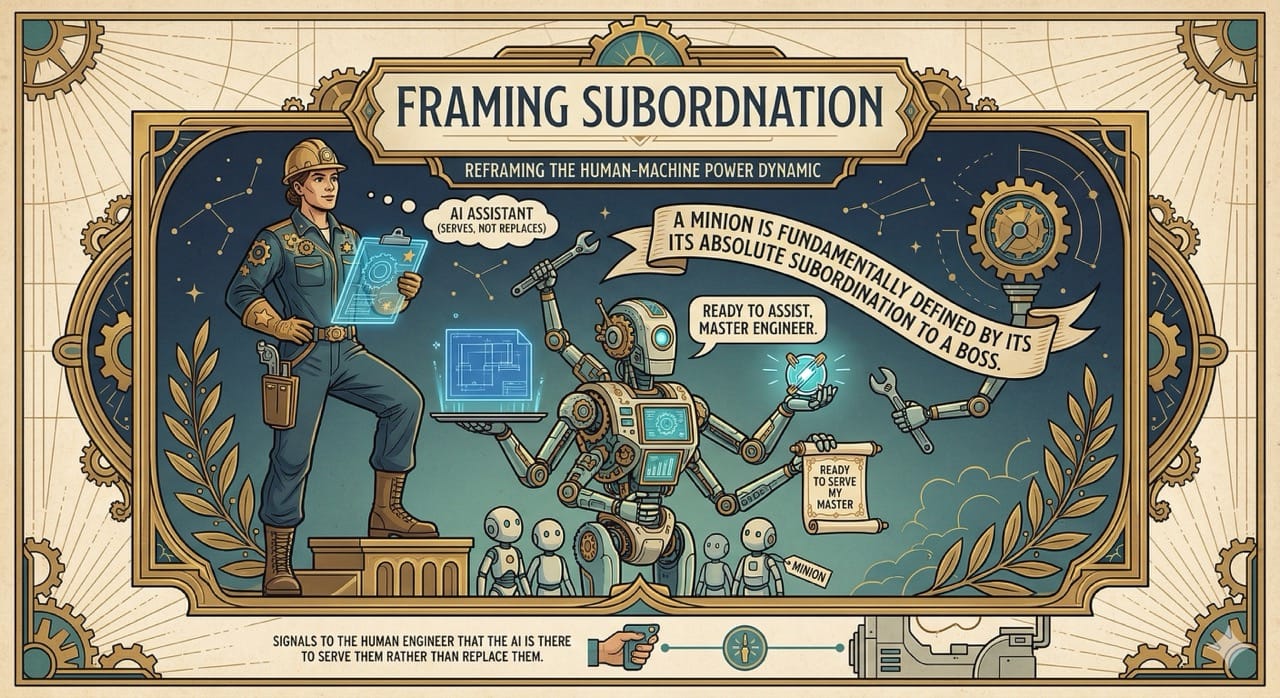
Framing Subordination
This specific branding masterfully reframes the power dynamic between human and machine.
A minion is fundamentally defined by its absolute subordination to a boss.
It signals to the human engineer that the AI is there to serve them rather than replace them.
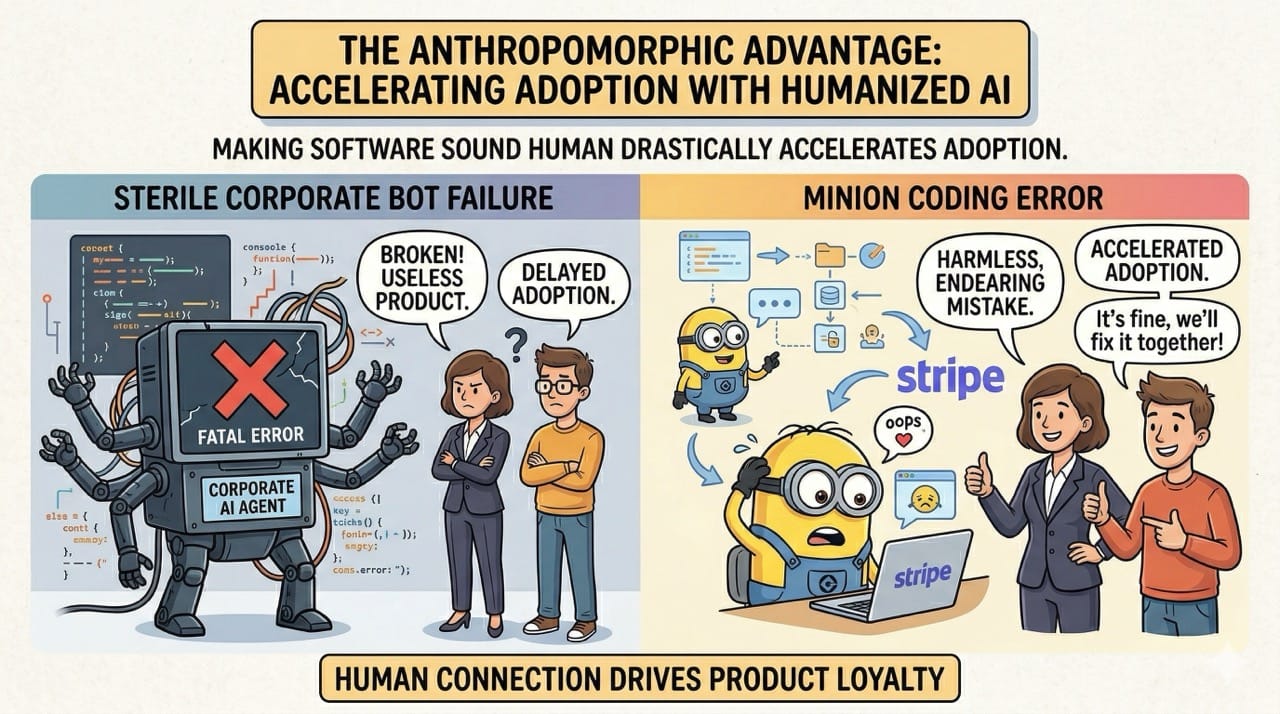
The Anthropomorphic Advantage
Making software sound slightly more human drastically accelerates its adoption rate.
When a sterile corporate bot fails a task, it is immediately viewed as a broken and useless product.
However, when a Minion makes a coding error, it feels like a harmless and almost endearing mistake.
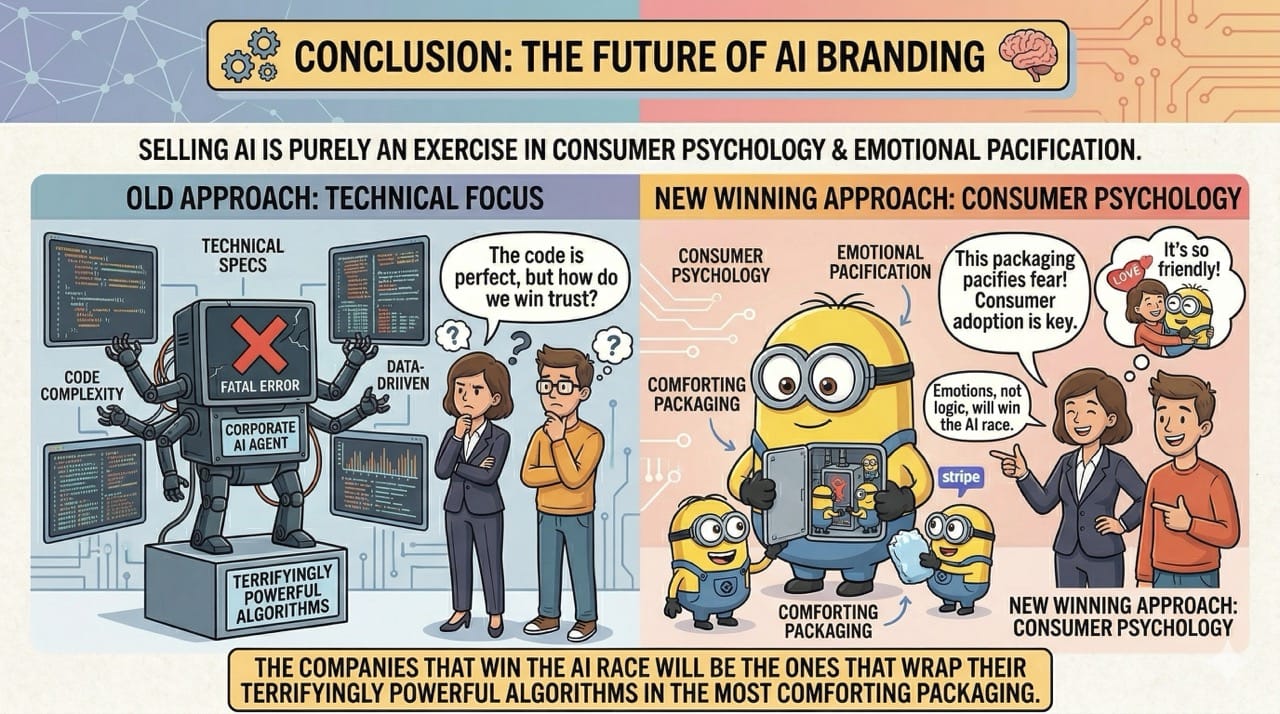
Conclusion: The Future of AI Branding
Performance marketers must understand that selling AI is no longer a technical challenge.
It is purely an exercise in consumer psychology and emotional pacification.
The companies that win the AI race will be the ones that wrap their terrifyingly powerful algorithms in the most comforting packaging.